-
Shop
- Advanced Technologies
- AI Skills
- Bathroom
- Best-Sellers
- Car Accessories
- Confidence
- Dating & Social Skills
- Digital Resources
- AI & Technology
- Beauty
- Budgeting & Saving
- Car Buying & Ownership
- Cozy Feast Collection
- Electronics & Technology
- Entrepreneurship & Business Growth
- Financial Education
- Financial Independence
- Financial Mindset & Psychology
- Goal Setting
- Home Styling & Organization
- Kitchen & Recipes
- Leadership
- Mindfulness
- Mindset
- Online Business
- Parenting & Child Development
- Personal Style & Fashion
- Pet Lifestyle & Wellness
- Positive Thinking
- Sleep Improvement
- Smart Life with AI
- Stress Management & Relaxation
- Travel Planning
- Wellness
- Yoga & Fitness
- Yoga & Mind-Body Practices
- Education & Learning
- Family & Parenting
- Fashion
- Accessories
- Alexander McQueen
- Bags
- Bags & Wallets
- Balenciaga
- Belts
- Blazers
- Bottega Veneta
- Bottoms
- Brunello Cucinelli
- Burberry
- Chanel
- Chloé
- Dior
- Dolce & Gabbana
- Dresses
- Etro
- Fendi
- Gucci
- Hats & Hair Accessories
- Hoodies & Sweatshirts
- Jacquemus
- Jewelry
- Jil Sander
- Kiton
- Luggage
- Miu Miu
- Off-White
- Outerwear
- Prada
- Rick Owens
- Saint Laurent
- Shoes
- Socks & Tights
- Sweaters & Cardigans
- The Row
- Tom Ford
- Tops & Shirts
- Valentino
- Valentino Garavani
- Versace
- Vivienne Westwood
- Watches
- Fashion Accessories
- Furniture
- Gadgets
- Health & Beauty
- Health & Wellness
- Home & Garden
- Home Decor
- Home Electronics
- Home Supplies
- Kids & Babies
- Kitchen
- Kitchen Best-Sellers
- Lighting
- Patio, Lawn & Garden
- Personal Growth
- Pet Care
- Pet Supplies
- Pets
- Sport & Outdoors
- Super Deals
- Travel
- Travel & Adventure
- Wealth
- Popular
- Best deals
Bidet Toilet Downsides: Cost, Power, Upkeep & Comfort
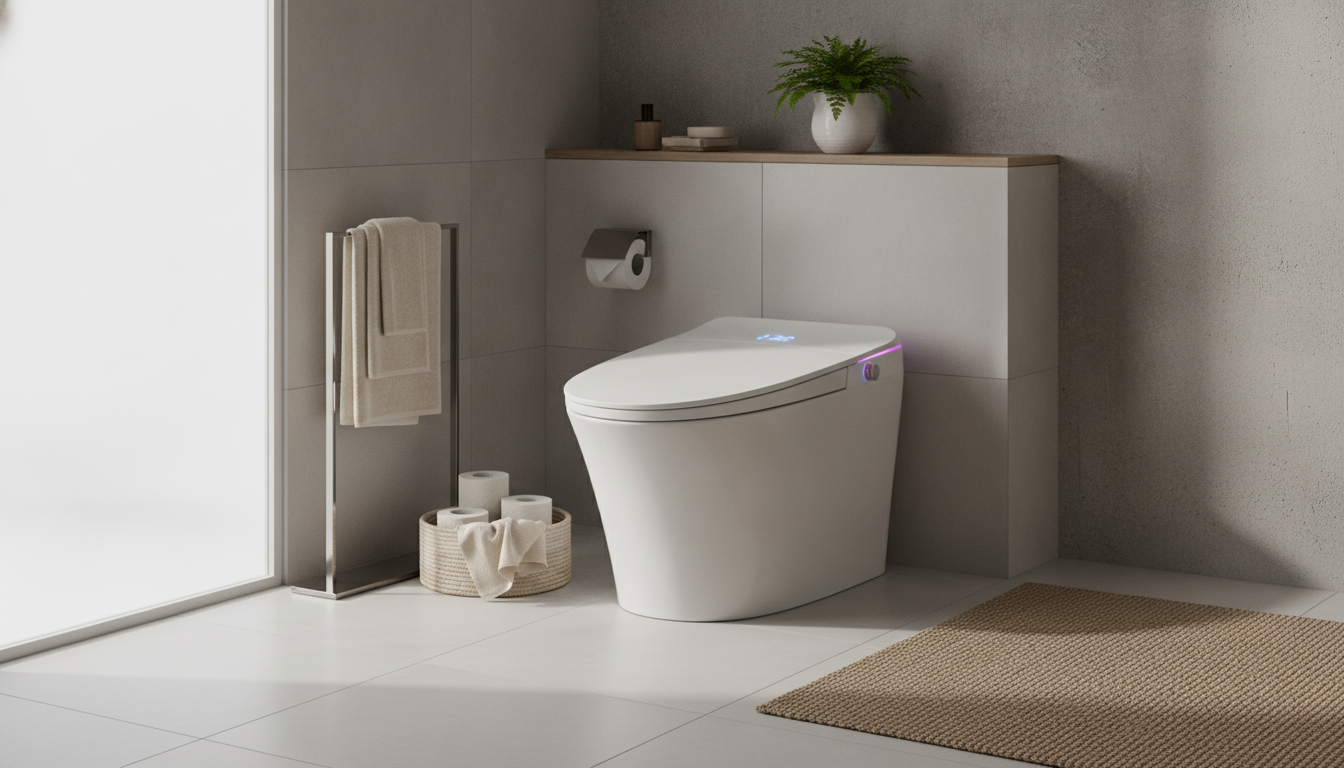
What is the downside of a bidet toilet?
A bidet toilet can be a huge upgrade, but it isn’t perfect for every bathroom or every budget. The main downsides usually come down to cost, installation needs, maintenance habits, and comfort preferences. Our team recommends weighing these trade-offs before you commit, especially if you’re considering an all-in-one smart bidet toilet with features like warm water, heated seats, drying, and auto-flush.
Common downsides to consider
Higher upfront cost than a standard toilet
Bidet toilets and smart integrated models typically cost more than a basic toilet, and some require additional parts like a compatible seat, remote control, or specialized fittings. If you’re replacing an older toilet, you may also want budget room for minor plumbing updates.
Power and placement requirements
Many bidet toilets need electricity for heating, drying, and advanced wash options. If your bathroom doesn’t have a nearby GFCI outlet, you might need an electrician, which adds time and expense.
More parts can mean more upkeep
Compared with a standard toilet, bidet toilets have additional components such as spray nozzles, filters, and sensors. Regular cleaning helps prevent mineral buildup, and occasional part replacement may be needed to keep spray performance consistent.
Not everyone likes the feel or the learning curve
Water pressure, temperature settings, and nozzle positioning can take a few uses to dial in. Some people prefer the simplicity of toilet paper only, while others need a model with easy controls to feel comfortable using it daily.
Potential repairs can be more specialized
If something goes wrong with electronics or internal mechanisms, troubleshooting can be less straightforward than with a standard toilet. Choosing a model with strong support and readily available replacement parts can reduce headaches later.
If you want a clearer picture of what smart models add (and what they require), explore our detailed guide here: All-in-One Smart Bidet Toilet Guide (Auto-Flush, Heated Seat, Air Drying).
FAQ
Do bidet toilets need a special electrical outlet?
Many smart bidet toilets work best with a nearby GFCI outlet, especially if they include heated water, a heated seat, or a dryer. If there isn’t an outlet close enough, you may need to add one to avoid using extension cords.
















Leave a comment