-
Shop
- Advanced Technologies
- AI Skills
- Bathroom
- Best-Sellers
- Car Accessories
- Confidence
- Dating & Social Skills
- Digital Resources
- AI & Technology
- Beauty
- Budgeting & Saving
- Car Buying & Ownership
- Cozy Feast Collection
- Electronics & Technology
- Entrepreneurship & Business Growth
- Financial Education
- Financial Independence
- Financial Mindset & Psychology
- Goal Setting
- Home Styling & Organization
- Kitchen & Recipes
- Leadership
- Mindfulness
- Mindset
- Online Business
- Parenting & Child Development
- Personal Style & Fashion
- Pet Lifestyle & Wellness
- Positive Thinking
- Sleep Improvement
- Smart Life with AI
- Stress Management & Relaxation
- Travel Planning
- Wellness
- Yoga & Fitness
- Yoga & Mind-Body Practices
- Education & Learning
- Family & Parenting
- Fashion
- Accessories
- Alexander McQueen
- Bags
- Bags & Wallets
- Balenciaga
- Belts
- Blazers
- Bottega Veneta
- Bottoms
- Brunello Cucinelli
- Burberry
- Chanel
- Chloé
- Dior
- Dolce & Gabbana
- Dresses
- Etro
- Fendi
- Gucci
- Hats & Hair Accessories
- Hoodies & Sweatshirts
- Jacquemus
- Jewelry
- Jil Sander
- Kiton
- Luggage
- Miu Miu
- Off-White
- Outerwear
- Prada
- Rick Owens
- Saint Laurent
- Shoes
- Socks & Tights
- Sweaters & Cardigans
- The Row
- Tom Ford
- Tops & Shirts
- Valentino
- Valentino Garavani
- Versace
- Vivienne Westwood
- Watches
- Fashion Accessories
- Furniture
- Gadgets
- Health & Beauty
- Health & Wellness
- Home & Garden
- Home Decor
- Home Electronics
- Home Supplies
- Kids & Babies
- Kitchen
- Kitchen Best-Sellers
- Lighting
- Patio, Lawn & Garden
- Personal Growth
- Pet Care
- Pet Supplies
- Pets
- Sport & Outdoors
- Super Deals
- Travel
- Travel & Adventure
- Wealth
- Popular
- Best deals
Smart Toilets Without Electricity: What Works Instead
Is there a smart toilet that doesn’t require electricity?
A true “smart toilet” almost always needs electricity. Features that make a toilet “smart”—like an auto-open/close lid, heated seat, warm-air dryer, deodorizer fan, UV sterilization, night light, and automatic flushing sensors—depend on powered components. If you want zero electricity required, the best match is usually a non-electric bidet solution paired with a standard toilet, rather than a full smart toilet.
What you can get with no electricity
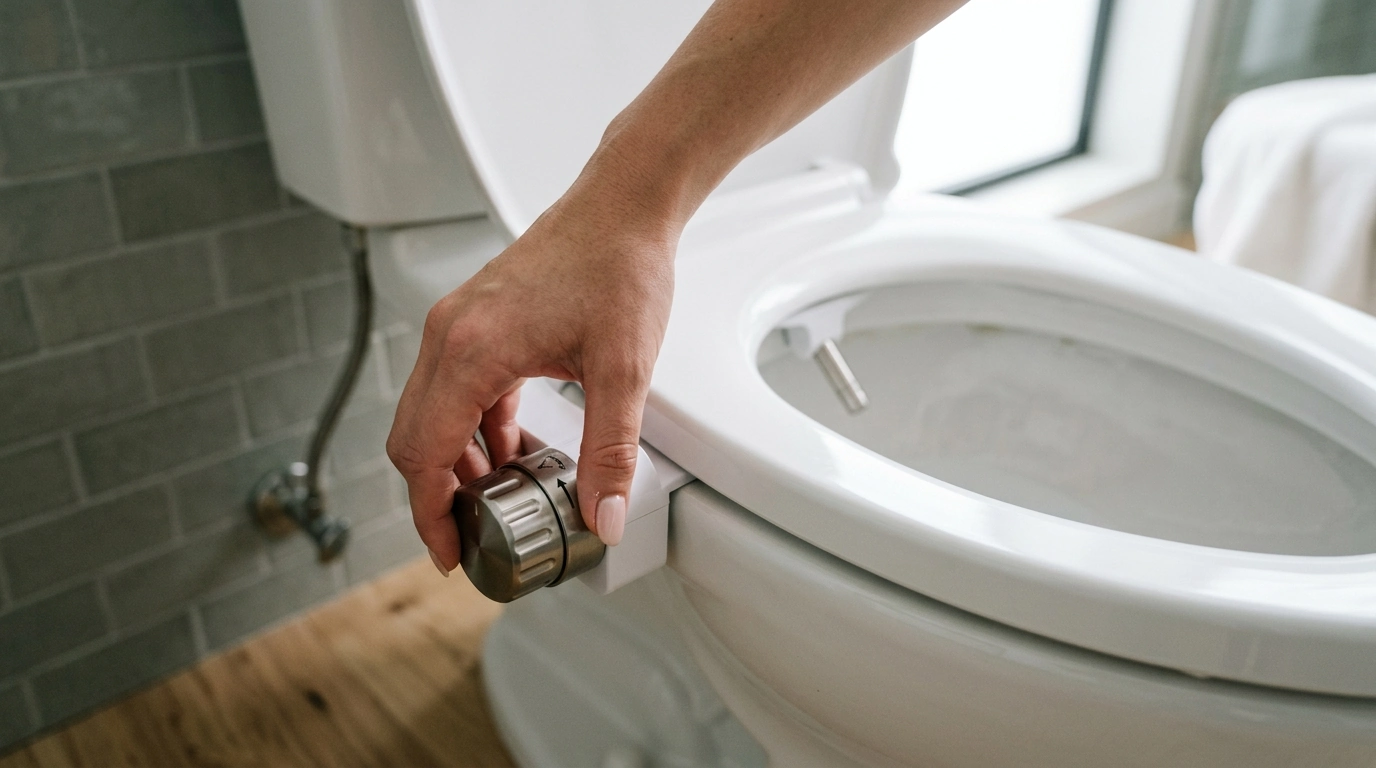
If your main goal is better hygiene without an outlet, our team typically recommends a mechanical (non-electric) bidet attachment or bidet seat that runs on household water pressure. You’ll get a rinse function (sometimes with adjustable pressure and nozzle positioning) and a simple control dial—no plug needed. This is the most reliable option for bathrooms with no nearby power source.
What you’ll give up without power
Non-electric setups won’t provide a heated seat, instant warm water heating, an air dryer, automatic deodorizing, hands-free lid operation, or sensor-based auto flush. You’ll also be using your toilet’s normal manual flush handle, since flush automation needs electricity and sensors.
How to keep comfort without “electric smart” features
If warm water is important, you can choose a non-electric bidet that connects to both cold and hot water (or uses a mixing valve). That keeps the system outlet-free while improving comfort. If your priority is hands-free automation (auto flush/dry/seat heating), plan on adding power—many homeowners install a GFCI outlet near the toilet during a remodel.
Choosing the right direction
If you’re comparing integrated smart bidet toilets with auto flush, heated seating, and air drying, we’ve laid out the key feature considerations and what to expect from all-in-one units here: https://bestsellis.com/guide-all-in-one-smart-bidet-toilet-auto-flush-heated-seat-air-drying/.
FAQ
Do smart toilets need a dedicated electrical outlet?
Many smart toilets work best with a nearby GFCI outlet, and some installations effectively require one to use core features like heating, drying, and sensor operation. A dedicated outlet can also help prevent nuisance tripping when other bathroom appliances share the same circuit.
Recommended for you



Best Dog Training Book: A Daily Calm Habits Plan
Oct 15, 2026













Leave a comment