-
Shop
- Advanced Technologies
- AI Skills
- Bathroom
- Best-Sellers
- Car Accessories
- Confidence
- Dating & Social Skills
- Digital Resources
- AI & Technology
- Beauty
- Budgeting & Saving
- Car Buying & Ownership
- Cozy Feast Collection
- Electronics & Technology
- Entrepreneurship & Business Growth
- Financial Education
- Financial Independence
- Financial Mindset & Psychology
- Goal Setting
- Home Styling & Organization
- Kitchen & Recipes
- Leadership
- Mindfulness
- Mindset
- Online Business
- Parenting & Child Development
- Personal Style & Fashion
- Pet Lifestyle & Wellness
- Positive Thinking
- Sleep Improvement
- Smart Life with AI
- Stress Management & Relaxation
- Travel Planning
- Wellness
- Yoga & Fitness
- Yoga & Mind-Body Practices
- Education & Learning
- Family & Parenting
- Fashion
- Accessories
- Alexander McQueen
- Bags
- Bags & Wallets
- Balenciaga
- Belts
- Blazers
- Bottega Veneta
- Bottoms
- Brunello Cucinelli
- Burberry
- Chanel
- Chloé
- Dior
- Dolce & Gabbana
- Dresses
- Etro
- Fendi
- Gucci
- Hats & Hair Accessories
- Hoodies & Sweatshirts
- Jacquemus
- Jewelry
- Jil Sander
- Kiton
- Luggage
- Miu Miu
- Off-White
- Outerwear
- Prada
- Rick Owens
- Saint Laurent
- Shoes
- Socks & Tights
- Sweaters & Cardigans
- The Row
- Tom Ford
- Tops & Shirts
- Valentino
- Valentino Garavani
- Versace
- Vivienne Westwood
- Watches
- Fashion Accessories
- Furniture
- Gadgets
- Health & Beauty
- Health & Wellness
- Home & Garden
- Home Decor
- Home Electronics
- Home Supplies
- Kids & Babies
- Kitchen
- Kitchen Best-Sellers
- Lighting
- Patio, Lawn & Garden
- Personal Growth
- Pet Care
- Pet Supplies
- Pets
- Sport & Outdoors
- Super Deals
- Travel
- Travel & Adventure
- Wealth
- Popular
- Best deals
Best Dog Training Book: A Daily Calm Habits Plan
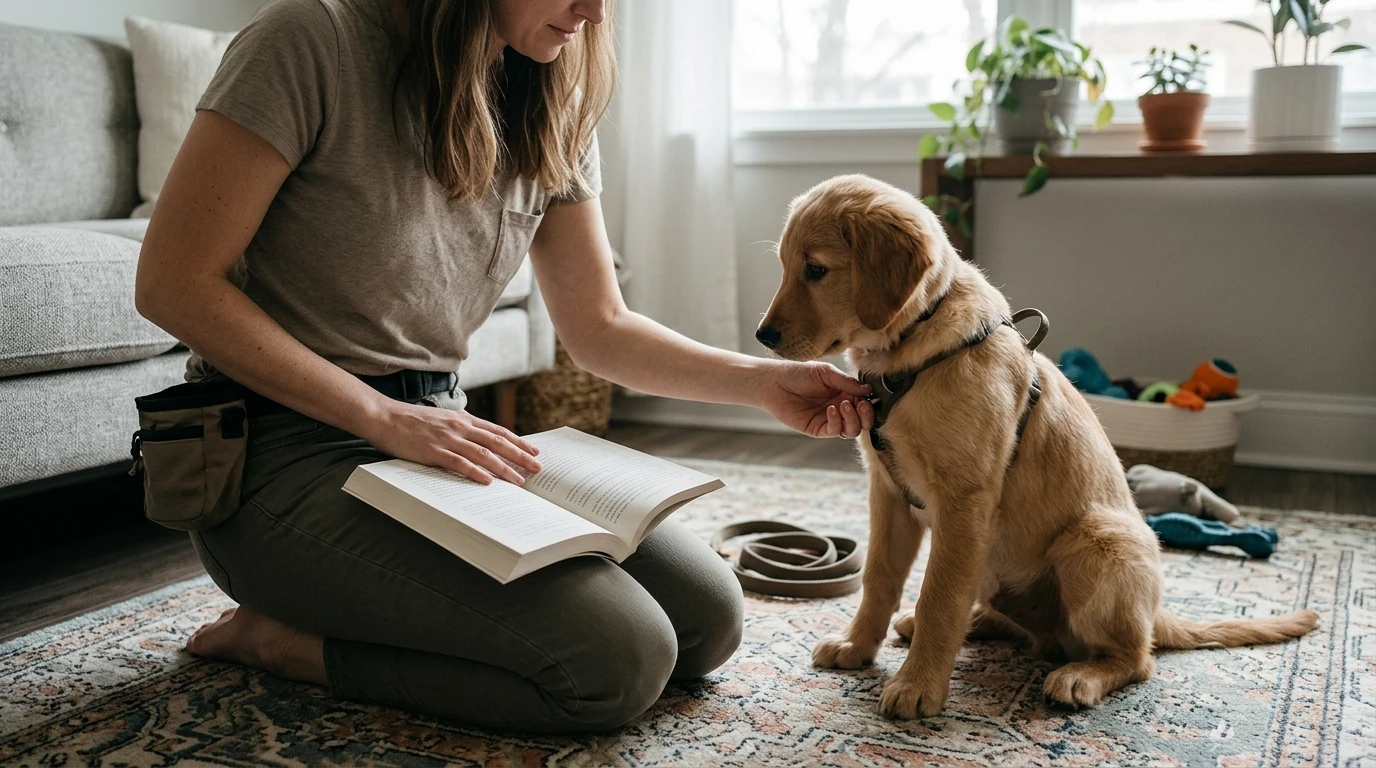
What is the best book to learn how to train my dog?
The best book to learn dog training is the one that gives you a simple plan you can follow every day, explains the “why” behind each step, and helps you build calm habits—not just quick tricks. When you’re choosing a training book, look for three things: clear daily routines, positive-reinforcement methods, and practical guidance for common challenges like jumping, pulling, barking, and ignoring cues.
Our pick for a training book that covers the most ground
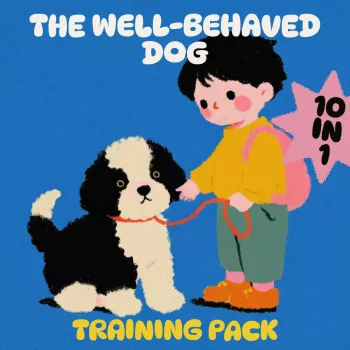
If you want an all-in-one resource that’s easy to use at home, our team recommends starting with our Guide: 10-in-1 Dog Training Pack (Daily Calm Habits). Instead of bouncing between multiple books, you get a single, structured approach that helps you build consistency—because the fastest progress comes from repeating the right patterns with your dog.
How to tell if a dog-training book will actually work for you
1) It gives you a routine, not just commands
A strong training book includes what to do each day: short sessions, timing, and how to practice around real-life distractions. That’s what turns “sit” into reliable obedience.
2) It focuses on calm behavior and communication
Training is more than cues—it’s teaching your dog how to settle, wait, and make better choices. Books that include calm-habit work help with impulse control, reactivity, and focus.
3) It offers troubleshooting steps
When your dog gets “stuck” (only listens inside, ignores you outside, or regresses), you need clear next steps: reduce difficulty, increase reward value, and rebuild in smaller pieces.
How to use your book for faster results
Pick 2–3 skills to train for two weeks, keep sessions short (5–10 minutes), and reward the exact behavior you want the instant it happens. Consistency beats intensity—your dog learns best when the rules stay the same across walks, meals, and greetings.
FAQ
What color calms a dog down?
Soft, cool colors like blue or violet are commonly considered calming for dogs, while extremely bright or high-contrast colors can feel more stimulating. More important than color, though, is reducing overall visual clutter and giving your dog a predictable, quiet space.
What’s the easiest way to train your dog?
The easiest way is to reward small successes immediately and practice in short, repeatable sessions. Start in a low-distraction area, then gradually increase difficulty as your dog succeeds.
Recommended for you


Dedicated Circuit for Bidet Seats: When You Need One
Oct 15, 2026













Leave a comment