-
Shop
- Advanced Technologies
- AI Skills
- Bathroom
- Best-Sellers
- Car Accessories
- Confidence
- Dating & Social Skills
- Digital Resources
- AI & Technology
- Beauty
- Budgeting & Saving
- Car Buying & Ownership
- Cozy Feast Collection
- Electronics & Technology
- Entrepreneurship & Business Growth
- Financial Education
- Financial Independence
- Financial Mindset & Psychology
- Goal Setting
- Home Styling & Organization
- Kitchen & Recipes
- Leadership
- Mindfulness
- Mindset
- Online Business
- Parenting & Child Development
- Personal Style & Fashion
- Pet Lifestyle & Wellness
- Positive Thinking
- Sleep Improvement
- Smart Life with AI
- Stress Management & Relaxation
- Travel Planning
- Wellness
- Yoga & Fitness
- Yoga & Mind-Body Practices
- Education & Learning
- Family & Parenting
- Fashion
- Accessories
- Alexander McQueen
- Bags
- Bags & Wallets
- Balenciaga
- Belts
- Blazers
- Bottega Veneta
- Bottoms
- Brunello Cucinelli
- Burberry
- Chanel
- Chloé
- Dior
- Dolce & Gabbana
- Dresses
- Etro
- Fendi
- Gucci
- Hats & Hair Accessories
- Hoodies & Sweatshirts
- Jacquemus
- Jewelry
- Jil Sander
- Kiton
- Luggage
- Miu Miu
- Off-White
- Outerwear
- Prada
- Rick Owens
- Saint Laurent
- Shoes
- Socks & Tights
- Sweaters & Cardigans
- The Row
- Tom Ford
- Tops & Shirts
- Valentino
- Valentino Garavani
- Versace
- Vivienne Westwood
- Watches
- Fashion Accessories
- Furniture
- Gadgets
- Health & Beauty
- Health & Wellness
- Home & Garden
- Home Decor
- Home Electronics
- Home Supplies
- Kids & Babies
- Kitchen
- Kitchen Best-Sellers
- Lighting
- Patio, Lawn & Garden
- Personal Growth
- Pet Care
- Pet Supplies
- Pets
- Sport & Outdoors
- Super Deals
- Travel
- Travel & Adventure
- Wealth
- Popular
- Best deals
Dedicated Circuit for Bidet Seats: When You Need One
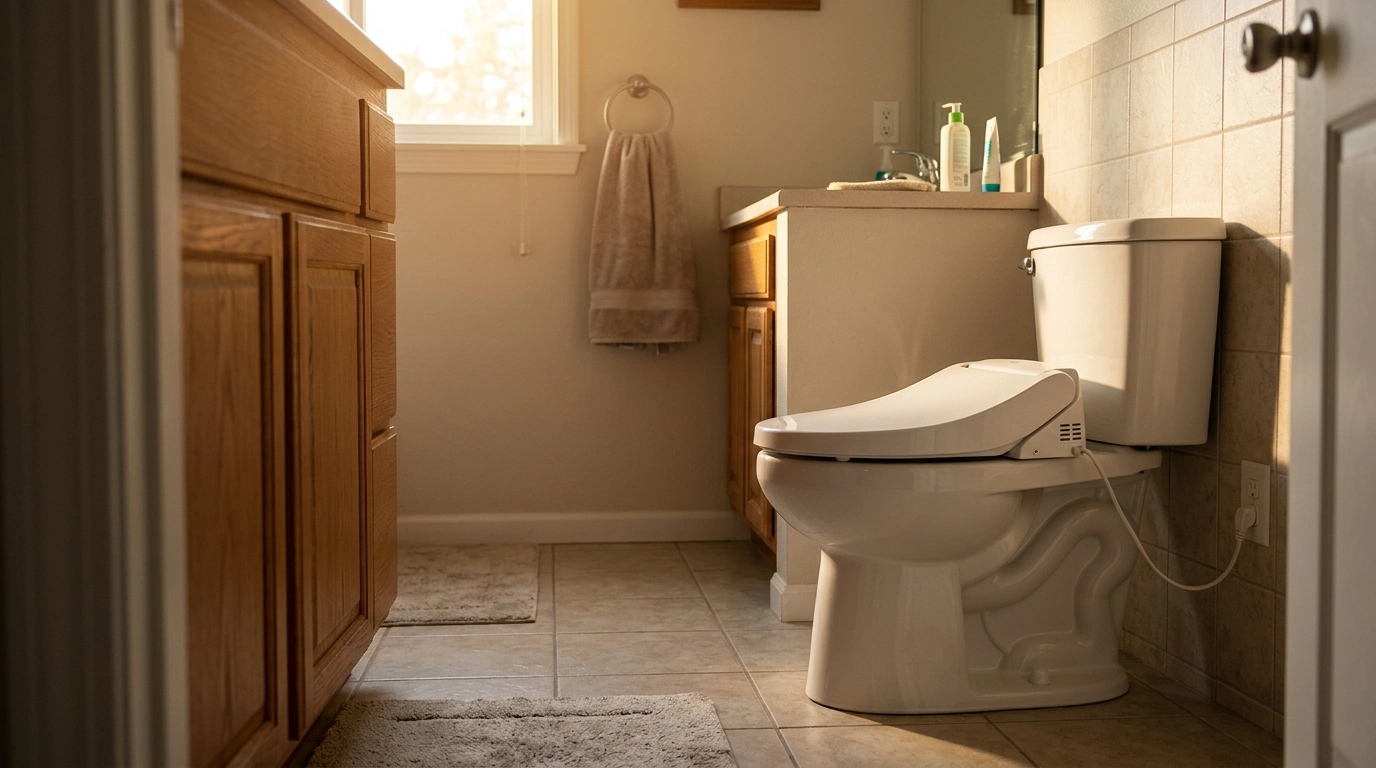
Do bidet toilet seats need a dedicated circuit?
Most bidet toilet seats do not strictly require a dedicated electrical circuit, but many homes benefit from giving them one—especially if you’re installing a feature-rich “smart” seat with instant water heating, a heated seat, warm air drying, and deodorizing. These comfort features raise the wattage, which can put noticeable demand on a bathroom circuit that may already be feeding lights, an exhaust fan, and nearby receptacles.
When a dedicated circuit is recommended
Our team typically recommends a dedicated 15A (sometimes 20A) circuit when your bidet seat includes multiple heating elements or you’ve experienced nuisance breaker trips in the bathroom. If your bidet is plugged into the same circuit as a high-draw device (like a hair dryer, curling iron, or space heater), you’re more likely to overload the circuit when two things run at once. A dedicated line reduces the chance of flickering lights, warm outlets, or an inconvenient mid-cycle shutdown.
When sharing a circuit is usually fine
If your bidet toilet seat uses a basic tank-style heater or lower-power functions and your bathroom circuit has plenty of headroom, sharing a properly protected circuit is commonly acceptable. In many installations, the seat plugs into an existing GFCI-protected bathroom receptacle and operates reliably as long as other heavy loads aren’t used at the same time.
Electrical must-haves for safety and performance
Plan for a grounded, GFCI-protected outlet within cord reach of the toilet, and avoid extension cords or power strips. Keep the cord routed so it can’t be pinched by the seat hinges or snagged during cleaning. If you’re unsure what else is on the circuit, or you’re upgrading to a higher-powered smart model, an electrician can confirm capacity and bring the outlet location up to code.
If you’re comparing features that can affect power needs, see our full guide here: all-in-one smart bidet toilet guide.
FAQ
Do bidet toilet seats need a GFCI outlet?
Yes, a GFCI-protected outlet is strongly recommended and is commonly required in bathrooms. It helps protect you from shock in a wet environment and can prevent damage if moisture causes a fault.
Recommended for you



Smart Toilet Downsides: Cost, Power, Upkeep & More
Oct 15, 2026
Best Dog Training Book: A Daily Calm Habits Plan
Oct 15, 2026













Leave a comment