-
Shop
- Advanced Technologies
- AI Skills
- Bathroom
- Best-Sellers
- Car Accessories
- Confidence
- Dating & Social Skills
- Digital Resources
- AI & Technology
- Beauty
- Budgeting & Saving
- Car Buying & Ownership
- Cozy Feast Collection
- Electronics & Technology
- Entrepreneurship & Business Growth
- Financial Education
- Financial Independence
- Financial Mindset & Psychology
- Goal Setting
- Home Styling & Organization
- Kitchen & Recipes
- Leadership
- Mindfulness
- Mindset
- Online Business
- Parenting & Child Development
- Personal Style & Fashion
- Pet Lifestyle & Wellness
- Positive Thinking
- Sleep Improvement
- Smart Life with AI
- Stress Management & Relaxation
- Travel Planning
- Wellness
- Yoga & Fitness
- Yoga & Mind-Body Practices
- Education & Learning
- Family & Parenting
- Fashion
- Accessories
- Alexander McQueen
- Bags
- Bags & Wallets
- Balenciaga
- Belts
- Blazers
- Bottega Veneta
- Bottoms
- Brunello Cucinelli
- Burberry
- Chanel
- Chloé
- Dior
- Dolce & Gabbana
- Dresses
- Etro
- Fendi
- Gucci
- Hats & Hair Accessories
- Hoodies & Sweatshirts
- Jacquemus
- Jewelry
- Jil Sander
- Kiton
- Luggage
- Miu Miu
- Off-White
- Outerwear
- Prada
- Rick Owens
- Saint Laurent
- Shoes
- Socks & Tights
- Sweaters & Cardigans
- The Row
- Tom Ford
- Tops & Shirts
- Valentino
- Valentino Garavani
- Versace
- Vivienne Westwood
- Watches
- Fashion Accessories
- Furniture
- Gadgets
- Health & Beauty
- Health & Wellness
- Home & Garden
- Home Decor
- Home Electronics
- Home Supplies
- Kids & Babies
- Kitchen
- Kitchen Best-Sellers
- Lighting
- Patio, Lawn & Garden
- Personal Growth
- Pet Care
- Pet Supplies
- Pets
- Sport & Outdoors
- Super Deals
- Travel
- Travel & Adventure
- Wealth
- Popular
- Best deals
3-3-3 Rule for Toddlers: Calm Big Feelings Fast
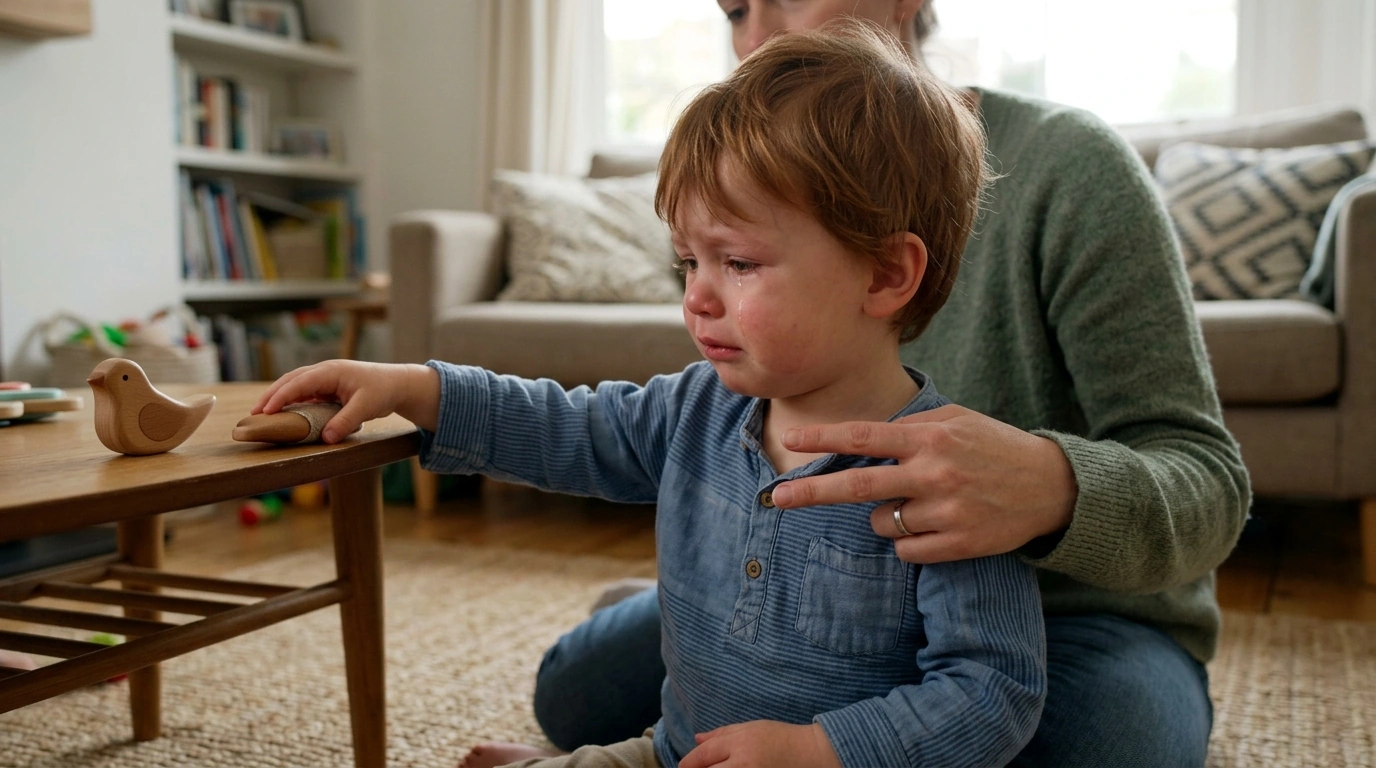
What is the 3-3-3 rule for toddlers?
The 3-3-3 rule for toddlers is a simple way to coach a big feeling (or a stuck moment) in three short steps: name 3 things you see, do 3 calming breaths, and make 3 small choices about what to do next. Our team likes it because it’s quick enough for real life—checkout lines, playground conflicts, bedtime resistance—and it turns “too big to handle” into “small enough to try.”
How the 3-3-3 rule works (and why it helps)
Step 1: Spot 3 things
Ask your toddler to point out three things they can see: “Show me three red things,” or “Find three circles.” This shifts attention from the feeling to the environment and gives their brain a job that isn’t arguing.
Step 2: Take 3 breaths
Do three slow breaths together. For toddlers, concrete cues help: “Smell the flower… blow the candle.” Keep it short—three is achievable—and model the pace you want them to match.
Step 3: Choose 3 next moves
Offer three tiny options that are all acceptable to you. Examples: “Do you want a hug, a sip of water, or to sit on the step?” or “We can hold hands, ride in the cart, or walk next to me.” The goal is forward motion with dignity, not a debate.
When to use the 3-3-3 rule
Use it at the first signs of escalation: clenched fists, whining spikes, repeating “no,” or freezing. It also works during transitions—leaving the park, washing hands, getting into the car seat—because it gives your toddler a predictable sequence to lean on.
Make it easier with the right tools
We recommend keeping a small “calm-down kit” in places you need it most: a water bottle with an easy spout, a chewy-safe sensory option, and a comfort item that fits in a tote or stroller. If you want a full set of confidence-building scripts and a simple plan you can follow, our team put together a practical guide you can use right away: https://bestsellis.com/guide-toddler-confidence-signs-scripts-7-day-plan/.
FAQ
What are some quick phrases to help a toddler calm down?
Try short, steady lines like “You’re safe. I’m here,” “First breathe, then we choose,” and “Hands stay gentle.” Keep your words minimal and repeat the same phrase so your toddler can latch onto it.
Recommended for you
7-7-7 Parenting Rule for Toddlers: 21-Minute Routine
Oct 13, 2026













Leave a comment