-
Shop
- Advanced Technologies
- AI Skills
- Bathroom
- Best-Sellers
- Car Accessories
- Confidence
- Dating & Social Skills
- Digital Resources
- AI & Technology
- Beauty
- Budgeting & Saving
- Car Buying & Ownership
- Cozy Feast Collection
- Electronics & Technology
- Entrepreneurship & Business Growth
- Financial Education
- Financial Independence
- Financial Mindset & Psychology
- Goal Setting
- Home Styling & Organization
- Kitchen & Recipes
- Leadership
- Mindfulness
- Mindset
- Online Business
- Parenting & Child Development
- Personal Style & Fashion
- Pet Lifestyle & Wellness
- Positive Thinking
- Sleep Improvement
- Smart Life with AI
- Stress Management & Relaxation
- Travel Planning
- Wellness
- Yoga & Fitness
- Yoga & Mind-Body Practices
- Education & Learning
- Family & Parenting
- Fashion
- Accessories
- Alexander McQueen
- Bags
- Bags & Wallets
- Balenciaga
- Belts
- Blazers
- Bottega Veneta
- Bottoms
- Brunello Cucinelli
- Burberry
- Chanel
- Chloé
- Dior
- Dolce & Gabbana
- Dresses
- Etro
- Fendi
- Gucci
- Hats & Hair Accessories
- Hoodies & Sweatshirts
- Jacquemus
- Jewelry
- Jil Sander
- Kiton
- Luggage
- Miu Miu
- Off-White
- Outerwear
- Prada
- Rick Owens
- Saint Laurent
- Shoes
- Socks & Tights
- Sweaters & Cardigans
- The Row
- Tom Ford
- Tops & Shirts
- Valentino
- Valentino Garavani
- Versace
- Vivienne Westwood
- Watches
- Fashion Accessories
- Furniture
- Gadgets
- Health & Beauty
- Health & Wellness
- Home & Garden
- Home Decor
- Home Electronics
- Home Supplies
- Kids & Babies
- Kitchen
- Kitchen Best-Sellers
- Lighting
- Patio, Lawn & Garden
- Personal Growth
- Pet Care
- Pet Supplies
- Pets
- Sport & Outdoors
- Super Deals
- Travel
- Travel & Adventure
- Wealth
- Popular
- Best deals
Low Self-Esteem in Toddlers: Causes & Early Signs
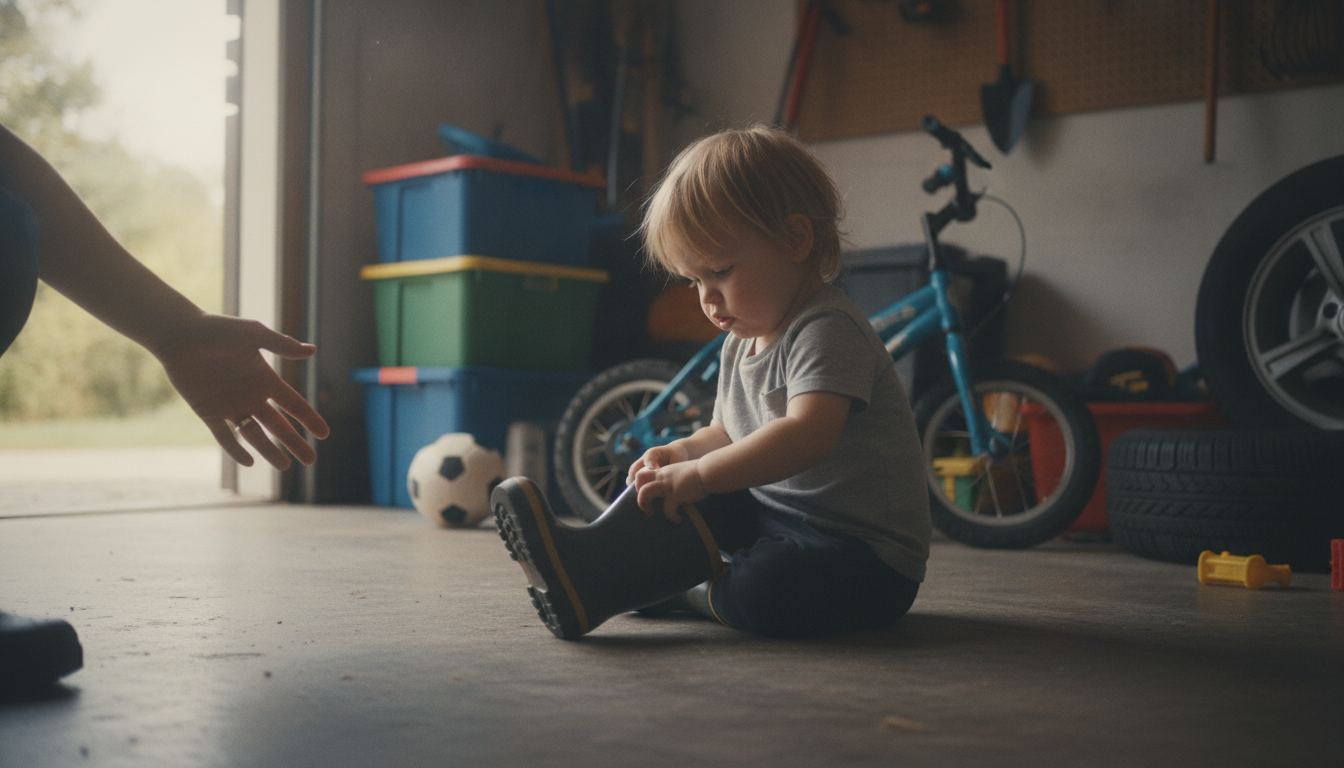
What causes low self-esteem in toddlers?
Low self-esteem in toddlers usually develops from repeated experiences that make a child feel unsafe, unseen, or “not good enough.” At this age, confidence is built through steady connection, predictable care, and many small chances to try, fail, and try again with supportive adults nearby.
Inconsistent responses from caregivers
Toddlers learn what to expect from the world by how adults respond to them. When attention, comfort, or limits change sharply from moment to moment—warm one time, harsh or distant the next—a child may become unsure of their place and start to act clingy, withdrawn, or overly anxious.
Harsh criticism, shaming, or frequent comparisons
Comments like “You’re bad,” “Stop crying,” or constant comparisons to siblings and peers can land heavily on a toddler’s developing self-image. Instead of learning “I made a mistake,” they may absorb “I am the mistake,” which can discourage exploring and trying new things.
Overly controlling environments
When adults do everything for a toddler or correct every small choice, a child gets fewer chances to practice independence. Confidence grows when toddlers are allowed to pick between two options, help with simple tasks, and make age-appropriate decisions without being rushed or micromanaged.
High stress at home
Family conflict, frequent moves, financial stress, or caregiver burnout can reduce emotional availability, even with loving parents. Toddlers often respond to tension with big feelings, regression, or trouble sleeping—and may begin to doubt themselves when their needs feel “too much.”
Temperament, developmental differences, and unmet needs
Some toddlers are naturally cautious, sensitive, or slow-to-warm. Speech delays, sensory sensitivities, or challenges with motor skills can also make everyday situations feel harder, leading to frustration or avoidance. When support doesn’t match the child’s needs, self-doubt can grow.
For a deeper look at common triggers and supportive ways to build confidence, visit What Causes Low Self-Esteem in Toddlers?.
FAQ
What are signs of low self-esteem in a toddler?
Common signs include excessive clinginess, avoiding new activities, frequent “I can’t” behavior, intense frustration with small mistakes, or unusually withdrawn play. Patterns that persist across settings are more meaningful than a single tough day.
Recommended for you

Antique European Wrought Iron Floral Wall Art Guide
Jun 21, 2026
Build Toddler Confidence: Simple Daily Habits
Jun 21, 2026













Leave a comment