-
Shop
- Advanced Technologies
- AI Skills
- Bathroom
- Best-Sellers
- Car Accessories
- Confidence
- Dating & Social Skills
- Digital Resources
- AI & Technology
- Beauty
- Budgeting & Saving
- Car Buying & Ownership
- Cozy Feast Collection
- Electronics & Technology
- Entrepreneurship & Business Growth
- Financial Education
- Financial Independence
- Financial Mindset & Psychology
- Goal Setting
- Home Styling & Organization
- Kitchen & Recipes
- Leadership
- Mindfulness
- Mindset
- Online Business
- Parenting & Child Development
- Personal Style & Fashion
- Pet Lifestyle & Wellness
- Positive Thinking
- Sleep Improvement
- Smart Life with AI
- Stress Management & Relaxation
- Travel Planning
- Wellness
- Yoga & Fitness
- Yoga & Mind-Body Practices
- Education & Learning
- Family & Parenting
- Fashion
- Accessories
- Alexander McQueen
- Bags
- Bags & Wallets
- Balenciaga
- Belts
- Blazers
- Bottega Veneta
- Bottoms
- Brunello Cucinelli
- Burberry
- Chanel
- Chloé
- Dior
- Dolce & Gabbana
- Dresses
- Etro
- Fendi
- Gucci
- Hats & Hair Accessories
- Hoodies & Sweatshirts
- Jacquemus
- Jewelry
- Jil Sander
- Kiton
- Luggage
- Miu Miu
- Off-White
- Outerwear
- Prada
- Rick Owens
- Saint Laurent
- Shoes
- Socks & Tights
- Sweaters & Cardigans
- The Row
- Tom Ford
- Tops & Shirts
- Valentino
- Valentino Garavani
- Versace
- Vivienne Westwood
- Watches
- Fashion Accessories
- Furniture
- Gadgets
- Health & Beauty
- Health & Wellness
- Home & Garden
- Home Decor
- Home Electronics
- Home Supplies
- Kids & Babies
- Kitchen
- Kitchen Best-Sellers
- Lighting
- Patio, Lawn & Garden
- Personal Growth
- Pet Care
- Pet Supplies
- Pets
- Sport & Outdoors
- Super Deals
- Travel
- Travel & Adventure
- Wealth
- Popular
- Best deals
Antique European Wrought Iron Floral Wall Art Guide
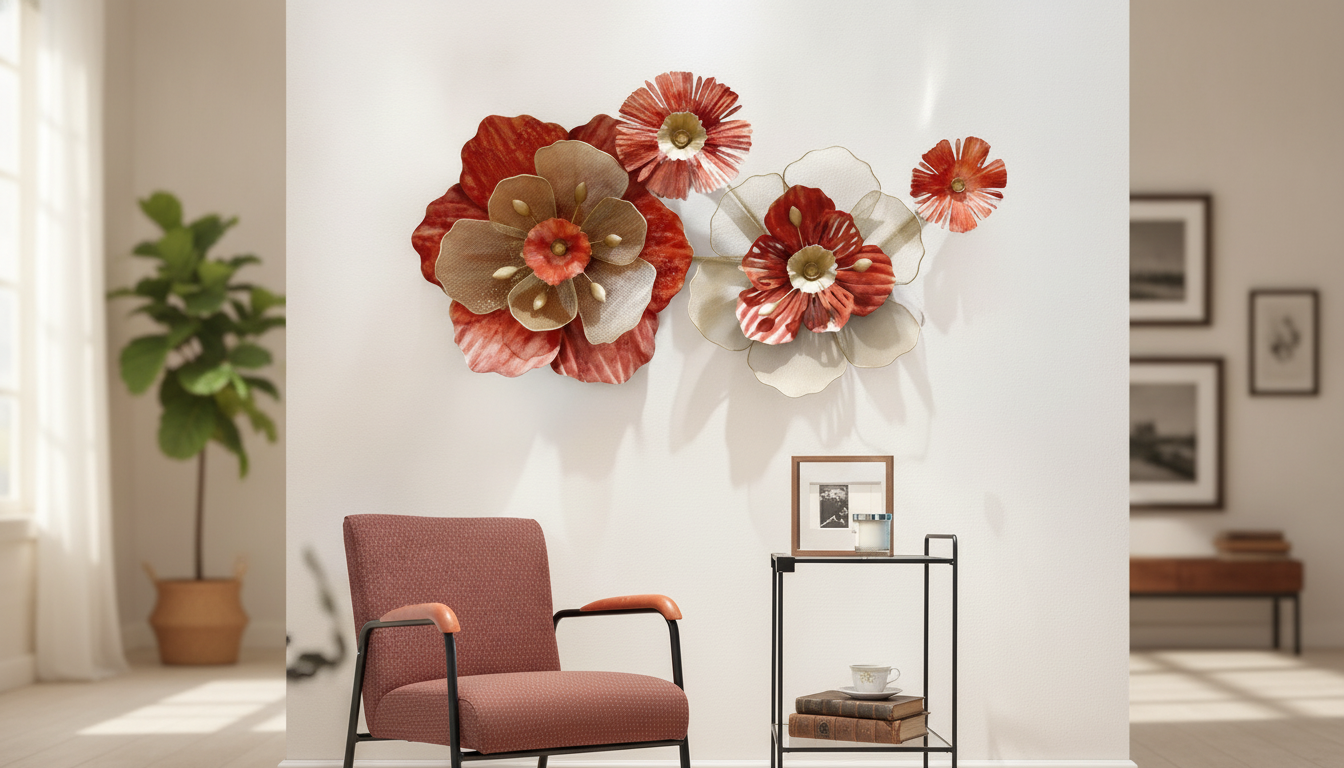
European Antique Wrought Iron Flower Wall Art: Old-World Texture for Modern Walls
Wrought iron floral wall decor brings sculptural depth, shadow play, and a sense of heritage to a space. This style pairs the romance of antique European motifs with the durability of metalwork, making it a strong choice for entryways, living rooms, stairwells, and covered outdoor areas. Unlike flat prints, ironwork changes throughout the day—morning light skims across raised petals, evening lamps deepen the shadows, and the wall color becomes part of the design through open negative space.
What makes antique-style wrought iron floral decor distinctive
- Dimensional relief: Sculpted petals and curling vines create depth that framed prints and flat plaques can’t replicate, especially when light hits from the side.
- Timeworn character: Aged finishes—patina, distressed black, and warm bronze tones—add visual warmth and a “collected over time” feeling that suits both classic and updated interiors.
- Airy presence at larger scales: Negative space lets the wall color show through, helping bigger pieces feel architectural rather than bulky.
- Everyday durability: Metalwork holds up well in high-traffic areas where delicate materials can get bumped, scuffed, or warped.
Where it looks best: room-by-room placement ideas
- Entryway: Center it over a console or bench to create an immediate focal point that reads intentional the moment the door opens.
- Living room: Hang above a sofa or fireplace mantel; pair with linen textures and warm wood tones for a relaxed, lived-in balance.
- Dining area: Place on the longest uninterrupted wall to counterbalance a table’s horizontal weight and anchor the room visually.
- Bedroom: Use above a headboard for an ornate, vintage-inspired statement without adding clutter to nightstands or dressers.
- Stairwell: Stagger the height of multiple iron pieces to follow the rise of the stairs; the repeated curves feel especially cohesive here.
- Covered patio: Mount on stucco or brick for an authentic Mediterranean feel; avoid direct, constant rain exposure to protect the finish.
Sizing, spacing, and hanging height that feel intentional
Iron wall art looks most refined when it’s sized and positioned to relate to the architecture and furniture around it. A few dependable guidelines keep the result from feeling случайным (and help ornate designs look curated rather than busy).
- Above furniture: Aim for the wall art to be about two-thirds the width of the furniture piece beneath it.
- Hanging height: Position the visual center around eye level (typically 57–60 in / 145–152 cm from the floor), then adjust for ceiling height and furniture placement.
- Breathing room: Leave 6–10 in (15–25 cm) between the top of furniture and the bottom of the piece.
- Multi-piece layouts: Keep gaps consistent for a gallery-like rhythm (2–4 in / 5–10 cm is a common range).
- Mounting reality check: Confirm weight and hanging points before drilling; choose anchors suited to drywall, plaster, brick, or concrete.
Quick placement guide
| Location | Recommended width | Suggested bottom clearance | Notes |
|---|---|---|---|
| Above sofa | ~60–75% of sofa width | 6–10 in (15–25 cm) above back | Balance with side lighting or tall plants |
| Above console table | ~70–100% of console width | 6–10 in (15–25 cm) above top | Add a mirror nearby only if the wall can handle visual layering |
| Stairwell | Varies by run length | Align to stair angle | Use painter’s tape templates to preview spacing |
| Covered patio | Scaled to wall bay | At eye level seated/standing | Choose sheltered placement to protect the finish |
Finish, color, and styling pairings
- Dark iron + white walls: Crisp contrast that reads classic and architectural, especially with simple trim and clean-lined furniture.
- Aged bronze + warm neutrals: A softer, more romantic look that leans vintage without feeling heavy.
- Natural materials do the heavy lifting: Oak, walnut, rattan, linen, and stone complement iron’s texture and keep the room grounded.
- Ornate curves need calm neighbors: Pair detailed ironwork with simple shapes—streamlined sofas, plain shades, and minimal clutter—to avoid a too-traditional feel.
- Use light to “activate” the relief: Sconces, picture lights, or a directional floor lamp make the shadows part of the design.
For deeper background on caring for metal surfaces and finishes, the Smithsonian’s overview of metal care is a helpful reference: Smithsonian Institution — Conservation and Care of Metals. For historical context on metal materials and craftsmanship traditions, see: The Metropolitan Museum of Art — Metallurgy and Materials.
Care and maintenance for lasting patina
Featured piece: European Antique Wrought Iron Flower Wall Art
If the goal is a statement with old-world romance and modern staying power, European Antique Wrought Iron Flower Wall Art brings decorative floral metalwork that suits vintage, farmhouse, Mediterranean, and transitional interiors. It can stand alone as a focal point or act as an anchor in a curated wall that mixes mirrors and framed art—especially when warm lighting highlights the raised forms.
At-a-glance details
| Item | Price | Availability | Link |
|---|---|---|---|
| European Antique Wrought Iron Flower Wall Art | $637.01 | In stock | View product |
More in-stock picks to explore
FAQ
Can wrought iron wall art be used outdoors?
Yes—it’s best suited to covered outdoor areas where it’s protected from constant rain and direct moisture. Check the finish seasonally and touch up chips promptly to prevent rust.
How do you hang heavy metal wall art on drywall or plaster?
Use studs whenever possible; if not, choose heavy-duty anchors rated above the piece’s weight and appropriate for your wall type. Mark mounting points carefully, level the artwork, and use masonry anchors for brick or concrete.
What decor styles pair well with antique European iron floral designs?
Mediterranean, French country, farmhouse, traditional, and transitional styles all pair well. Balance ornate metalwork with clean-lined furniture and natural materials like linen, wood, and stone.
Recommended for you
Low Self-Esteem in Toddlers: Causes & Early Signs
Jun 21, 2026








Leave a comment