-
Shop
- Advanced Technologies
- AI Skills
- Bathroom
- Best-Sellers
- Car Accessories
- Confidence
- Dating & Social Skills
- Digital Resources
- AI & Technology
- Beauty
- Budgeting & Saving
- Car Buying & Ownership
- Cozy Feast Collection
- Electronics & Technology
- Entrepreneurship & Business Growth
- Financial Education
- Financial Independence
- Financial Mindset & Psychology
- Goal Setting
- Home Styling & Organization
- Kitchen & Recipes
- Leadership
- Mindfulness
- Mindset
- Online Business
- Parenting & Child Development
- Personal Style & Fashion
- Pet Lifestyle & Wellness
- Positive Thinking
- Sleep Improvement
- Smart Life with AI
- Stress Management & Relaxation
- Travel Planning
- Wellness
- Yoga & Fitness
- Yoga & Mind-Body Practices
- Education & Learning
- Family & Parenting
- Fashion
- Accessories
- Alexander McQueen
- Bags
- Bags & Wallets
- Balenciaga
- Belts
- Blazers
- Bottega Veneta
- Bottoms
- Brunello Cucinelli
- Burberry
- Chanel
- Chloé
- Dior
- Dolce & Gabbana
- Dresses
- Etro
- Fendi
- Gucci
- Hats & Hair Accessories
- Hoodies & Sweatshirts
- Jacquemus
- Jewelry
- Jil Sander
- Kiton
- Luggage
- Miu Miu
- Off-White
- Outerwear
- Prada
- Rick Owens
- Saint Laurent
- Shoes
- Socks & Tights
- Sweaters & Cardigans
- The Row
- Tom Ford
- Tops & Shirts
- Valentino
- Valentino Garavani
- Versace
- Vivienne Westwood
- Watches
- Fashion Accessories
- Furniture
- Gadgets
- Health & Beauty
- Health & Wellness
- Home & Garden
- Home Decor
- Home Electronics
- Home Supplies
- Kids & Babies
- Kitchen
- Kitchen Best-Sellers
- Lighting
- Patio, Lawn & Garden
- Personal Growth
- Pet Care
- Pet Supplies
- Pets
- Sport & Outdoors
- Super Deals
- Travel
- Travel & Adventure
- Wealth
- Popular
- Best deals
Build Toddler Confidence: Simple Daily Habits
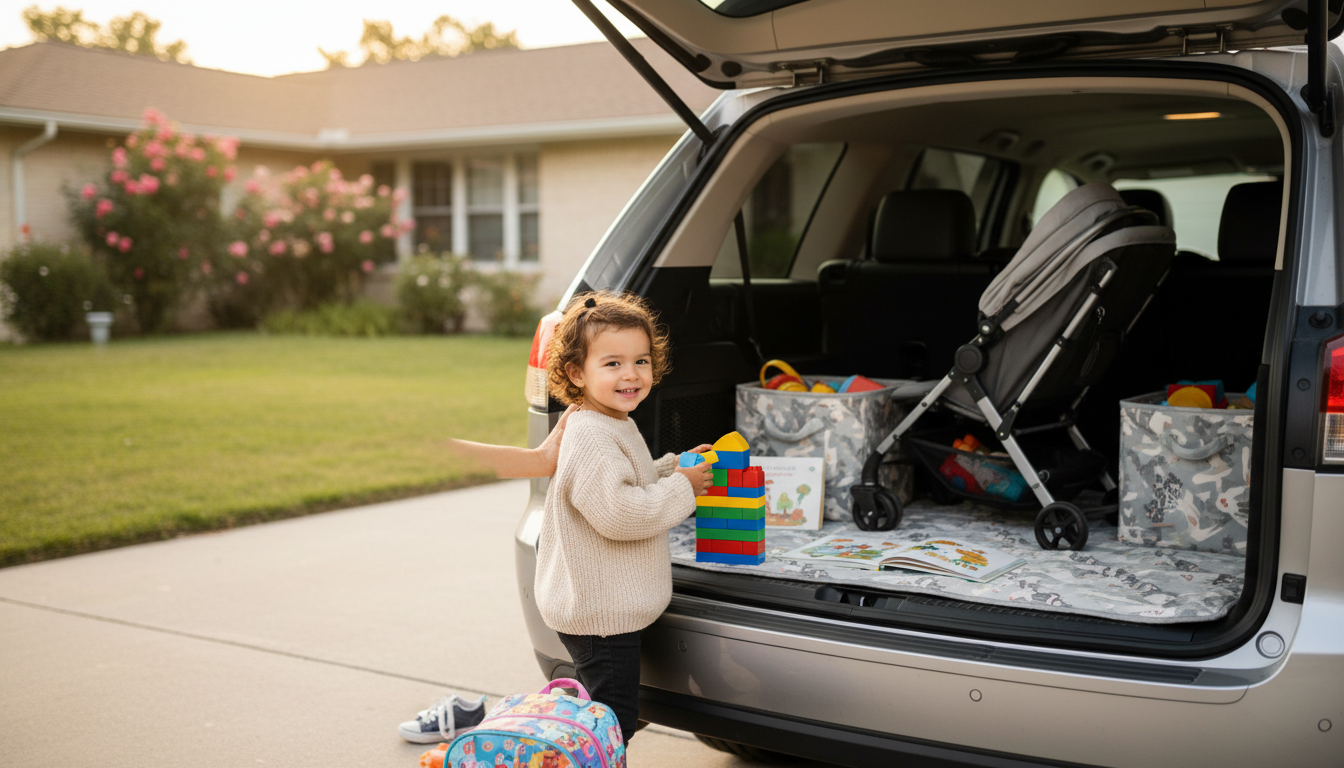
How to build self-confidence in a toddler?
Building self-confidence in a toddler starts with daily moments that help them feel capable, safe, and noticed for their effort—not just their results. Confidence grows when little kids get consistent chances to try, make mistakes, and succeed in age-appropriate ways with calm support from caregivers.
Offer “just-right” challenges
Choose tasks that are slightly harder than what your toddler can do easily, but not so hard they melt down. Examples include putting shoes in the bin, carrying napkins to the table, or matching socks. When the task fits their stage, they learn, “I can do this,” which builds internal confidence.
Praise effort and strategies, not labels
Instead of “You’re so smart,” try “You kept trying even when it was tricky” or “You used both hands and it worked.” This teaches toddlers that progress comes from practice, making them more willing to attempt new skills without fear of failing.
Let them make small choices
Offer two acceptable options: “Blue cup or green cup?” “Book first or blocks first?” Controlled choices help toddlers feel a sense of agency while keeping boundaries clear. Over time, decision-making strengthens independence and confidence.
Normalize mistakes and big feelings
When something goes wrong, stay steady and name it: “That fell over. That’s frustrating.” Then guide the next step: “Let’s try again together.” Toddlers who learn that mistakes aren’t scary are more likely to explore and persist.
Create predictable routines and dependable connection
Confidence thrives when a child knows what to expect and trusts that a caregiver will show up emotionally. Simple routines around meals, bedtime, and transitions reduce anxiety and free toddlers to focus on learning new skills.
For more practical ideas and examples you can use right away, visit How to Build Self-Confidence in a Toddler.
FAQ
What are signs of low confidence in a toddler?
Common signs include avoiding new activities, getting easily upset by small mistakes, clinging excessively during simple tasks, or saying “I can’t” before trying. Occasional hesitation is normal, but consistent fear of trying may signal they need more support and “just-right” practice.
Recommended for you


Low Self-Esteem in Toddlers: Causes & Early Signs
Jun 21, 2026
Alexa Drop In to a Different House: What You Need
Jun 21, 2026













Leave a comment