-
Shop
- Advanced Technologies
- AI Skills
- Bathroom
- Best-Sellers
- Car Accessories
- Confidence
- Dating & Social Skills
- Digital Resources
- AI & Technology
- Beauty
- Budgeting & Saving
- Car Buying & Ownership
- Cozy Feast Collection
- Electronics & Technology
- Entrepreneurship & Business Growth
- Financial Education
- Financial Independence
- Financial Mindset & Psychology
- Goal Setting
- Home Styling & Organization
- Kitchen & Recipes
- Leadership
- Mindfulness
- Mindset
- Online Business
- Parenting & Child Development
- Personal Style & Fashion
- Pet Lifestyle & Wellness
- Positive Thinking
- Sleep Improvement
- Smart Life with AI
- Stress Management & Relaxation
- Travel Planning
- Wellness
- Yoga & Fitness
- Yoga & Mind-Body Practices
- Education & Learning
- Family & Parenting
- Fashion
- Accessories
- Alexander McQueen
- Bags
- Bags & Wallets
- Balenciaga
- Belts
- Blazers
- Bottega Veneta
- Bottoms
- Brunello Cucinelli
- Burberry
- Chanel
- Chloé
- Dior
- Dolce & Gabbana
- Dresses
- Etro
- Fendi
- Gucci
- Hats & Hair Accessories
- Hoodies & Sweatshirts
- Jacquemus
- Jewelry
- Jil Sander
- Kiton
- Luggage
- Miu Miu
- Off-White
- Outerwear
- Prada
- Rick Owens
- Saint Laurent
- Shoes
- Socks & Tights
- Sweaters & Cardigans
- The Row
- Tom Ford
- Tops & Shirts
- Valentino
- Valentino Garavani
- Versace
- Vivienne Westwood
- Watches
- Fashion Accessories
- Furniture
- Gadgets
- Health & Beauty
- Health & Wellness
- Home & Garden
- Home Decor
- Home Electronics
- Home Supplies
- Kids & Babies
- Kitchen
- Kitchen Best-Sellers
- Lighting
- Patio, Lawn & Garden
- Personal Growth
- Pet Care
- Pet Supplies
- Pets
- Sport & Outdoors
- Super Deals
- Travel
- Travel & Adventure
- Wealth
- Popular
- Best deals
Puppy Care for Beginners: Routines, Training & Vet Tips
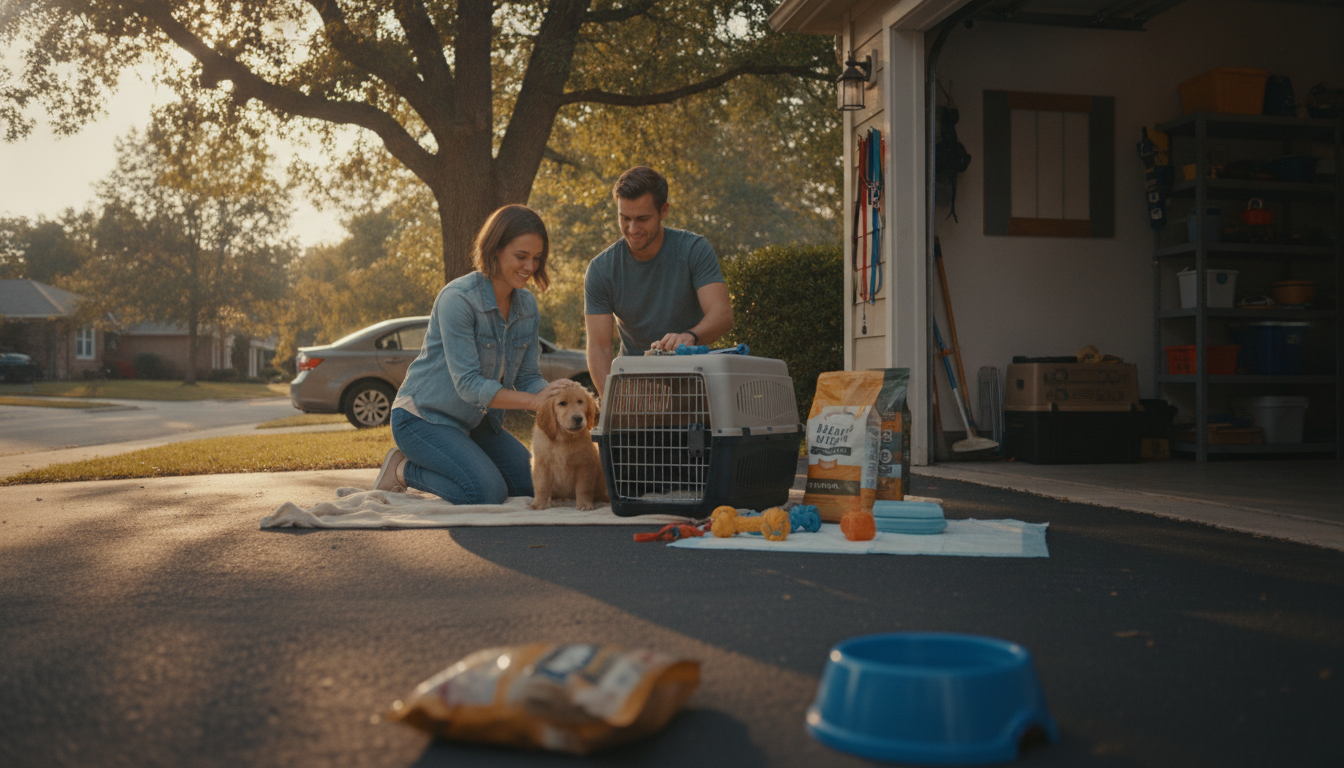
How to take care of a puppy for beginners
Bringing home a puppy is exciting, but the first few weeks are where good habits are built. Focus on a simple routine: safe space, consistent meals, frequent potty breaks, gentle training, and early vet care. When the basics are steady, most puppy problems get easier fast.
1) Set up a safe, calm home base
Choose one low-traffic area to start. Puppy-proof it by removing cords, small objects, and access to stairs. Offer fresh water, a designated potty plan, and a quiet spot where your puppy can decompress after play.
2) Start a predictable schedule on day one
Puppies thrive on repetition. Feed at the same times daily, then take your puppy out to potty right after waking, after eating, after playing, and every 1–2 hours in between (more often for very young puppies). Reward outdoor potty success immediately with praise and a tiny treat.
3) Choose a balanced puppy diet and keep meals consistent
Pick a high-quality puppy formula appropriate for your puppy’s size and follow the feeding guide as a starting point. Measure portions, avoid too many rich table scraps, and make any food changes gradually over 7–10 days to reduce stomach upset.
4) Gentle training: focus on the “must-haves”
Keep sessions short (1–3 minutes) and upbeat. Prioritize name recognition, coming when called, “sit,” and handling exercises (touching paws, ears, and mouth) so grooming and vet visits become easier. If nipping happens, redirect to a toy and pause play briefly.
5) Vet care, vaccines, and parasite prevention
Schedule a vet visit soon after adoption to confirm a vaccine plan, deworming, and flea/tick prevention. Ask what’s safe for your puppy’s age and weight, and when it’s okay to start visiting public areas based on vaccine progress.
6) Socialization without overwhelm
Introduce new sights, sounds, people, and gentle dogs gradually. Pair new experiences with treats and calm praise. The goal is confident exposure, not forced interactions.
For a step-by-step, beginner-friendly checklist and routine you can follow daily, see the full guide here: https://bestsellis.com/guide-puppy-care-made-simple-5-in-1-bundle-new-owners/.
FAQ
When can my puppy start going on walks outside?
Short walks in low-risk areas are often fine once your vet confirms your puppy’s vaccine schedule and local disease risk. Until then, stick to your yard or controlled, clean environments and focus on leash practice at home.
Recommended for you


Positive Reinforcement Dog Training: Simple Steps
Jun 24, 2026
Newborn Puppies With Mom: Care, Warmth & Red Flags
Jun 24, 2026













Leave a comment