-
Shop
- Advanced Technologies
- AI Skills
- Bathroom
- Best-Sellers
- Car Accessories
- Confidence
- Dating & Social Skills
- Digital Resources
- AI & Technology
- Beauty
- Budgeting & Saving
- Car Buying & Ownership
- Cozy Feast Collection
- Electronics & Technology
- Entrepreneurship & Business Growth
- Financial Education
- Financial Independence
- Financial Mindset & Psychology
- Goal Setting
- Home Styling & Organization
- Kitchen & Recipes
- Leadership
- Mindfulness
- Mindset
- Online Business
- Parenting & Child Development
- Personal Style & Fashion
- Pet Lifestyle & Wellness
- Positive Thinking
- Sleep Improvement
- Smart Life with AI
- Stress Management & Relaxation
- Travel Planning
- Wellness
- Yoga & Fitness
- Yoga & Mind-Body Practices
- Education & Learning
- Family & Parenting
- Fashion
- Accessories
- Alexander McQueen
- Bags
- Bags & Wallets
- Balenciaga
- Belts
- Blazers
- Bottega Veneta
- Bottoms
- Brunello Cucinelli
- Burberry
- Chanel
- Chloé
- Dior
- Dolce & Gabbana
- Dresses
- Etro
- Fendi
- Gucci
- Hats & Hair Accessories
- Hoodies & Sweatshirts
- Jacquemus
- Jewelry
- Jil Sander
- Kiton
- Luggage
- Miu Miu
- Off-White
- Outerwear
- Prada
- Rick Owens
- Saint Laurent
- Shoes
- Socks & Tights
- Sweaters & Cardigans
- The Row
- Tom Ford
- Tops & Shirts
- Valentino
- Valentino Garavani
- Versace
- Vivienne Westwood
- Watches
- Fashion Accessories
- Furniture
- Gadgets
- Health & Beauty
- Health & Wellness
- Home & Garden
- Home Decor
- Home Electronics
- Home Supplies
- Kids & Babies
- Kitchen
- Kitchen Best-Sellers
- Lighting
- Patio, Lawn & Garden
- Personal Growth
- Pet Care
- Pet Supplies
- Pets
- Sport & Outdoors
- Super Deals
- Travel
- Travel & Adventure
- Wealth
- Popular
- Best deals
Positive Reinforcement Dog Training: Simple Steps
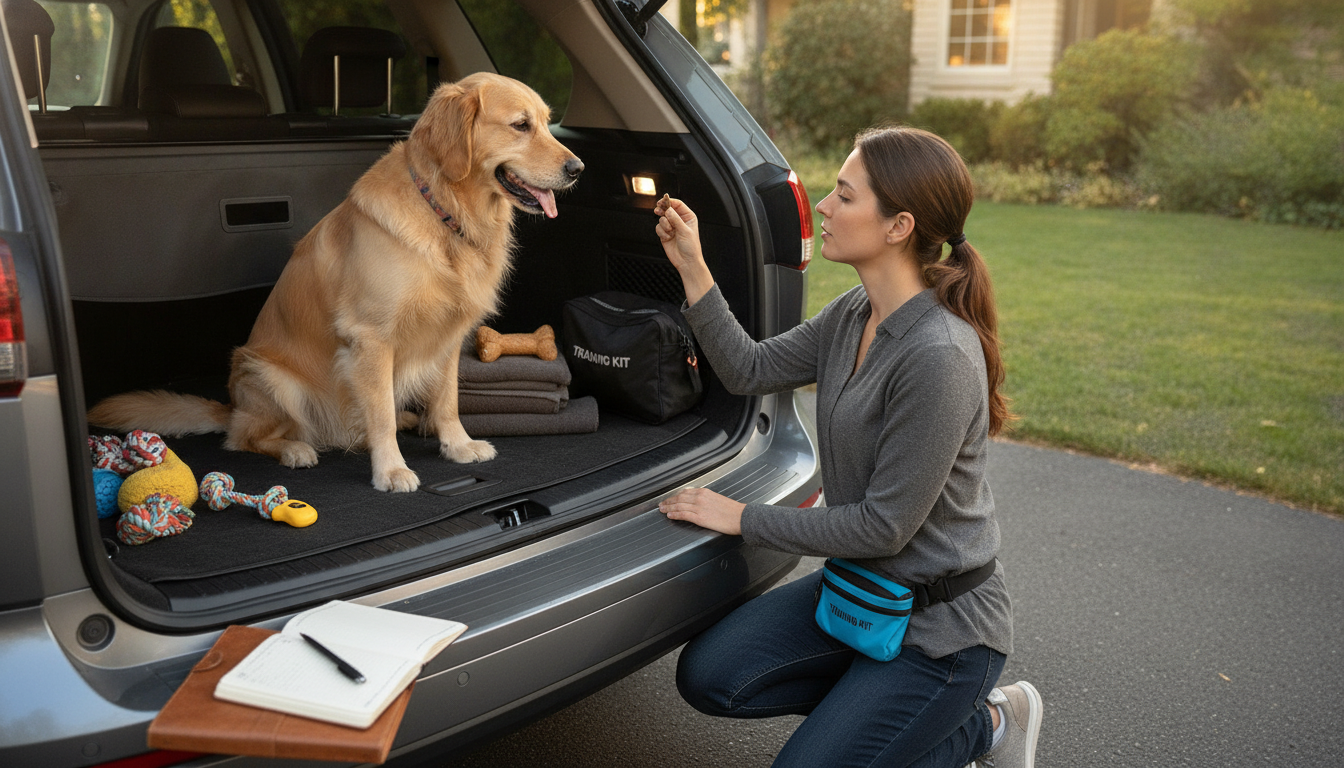
How to train dogs with positive reinforcement?
Positive reinforcement training teaches a dog which behaviors pay off by immediately rewarding what you like and ignoring or redirecting what you don’t. It’s effective because it makes learning clear, keeps motivation high, and builds trust instead of fear. The goal is simple: set your dog up to succeed, mark the right choice, and reward it consistently.
Start with the right rewards
Pick reinforcers your dog truly values: tiny soft treats, a favorite toy, praise, or a quick game of tug. Use high-value treats for harder distractions (like outdoors) and everyday rewards for easy wins (like “sit” in the kitchen). Keep treats pea-sized so training stays fast and your dog doesn’t fill up.
Mark the behavior at the exact moment
Timing matters more than the treat itself. Use a clicker or a short marker word like “Yes!” to pinpoint the instant your dog does the right thing. Mark first, then deliver the reward within a second or two, so your dog connects the behavior to the payoff.
Teach one skill in small steps
Break behaviors into easy pieces. For “down,” reward your dog for moving from standing to elbows bending, then for fully lying down. Increase difficulty gradually by changing only one variable at a time: distance, duration, or distractions.
Use management and redirection for mistakes
If your dog jumps, pulls, or barks, avoid punishment that adds stress or confusion. Instead, prevent rehearsal (use a leash, baby gate, or distance), then reward an alternative behavior like “four paws on the floor,” “watch me,” or “touch.” When the environment is easier, success comes faster.
Practice in real life and fade treats smartly
Once your dog understands a cue, reward intermittently and mix in real-life rewards: going outside, greeting a friend, or tossing a ball. Continue praising and occasionally surprise with great treats to keep the behavior strong.
For a deeper step-by-step guide and practical examples, visit this positive reinforcement dog training article.
FAQ
What should I do if my dog isn’t motivated by treats?
Try higher-value options (chicken, cheese), train before meals, or switch to rewards your dog loves like tug, fetch, or sniffing time. Keep sessions short and end while your dog is still eager.
















Leave a comment