-
Shop
- Advanced Technologies
- AI Skills
- Bathroom
- Best-Sellers
- Car Accessories
- Confidence
- Dating & Social Skills
- Digital Resources
- AI & Technology
- Beauty
- Budgeting & Saving
- Car Buying & Ownership
- Cozy Feast Collection
- Electronics & Technology
- Entrepreneurship & Business Growth
- Financial Education
- Financial Independence
- Financial Mindset & Psychology
- Goal Setting
- Home Styling & Organization
- Kitchen & Recipes
- Leadership
- Mindfulness
- Mindset
- Online Business
- Parenting & Child Development
- Personal Style & Fashion
- Pet Lifestyle & Wellness
- Positive Thinking
- Sleep Improvement
- Smart Life with AI
- Stress Management & Relaxation
- Travel Planning
- Wellness
- Yoga & Fitness
- Yoga & Mind-Body Practices
- Education & Learning
- Family & Parenting
- Fashion
- Accessories
- Alexander McQueen
- Bags
- Bags & Wallets
- Balenciaga
- Belts
- Blazers
- Bottega Veneta
- Bottoms
- Brunello Cucinelli
- Burberry
- Chanel
- Chloé
- Dior
- Dolce & Gabbana
- Dresses
- Etro
- Fendi
- Gucci
- Hats & Hair Accessories
- Hoodies & Sweatshirts
- Jacquemus
- Jewelry
- Jil Sander
- Kiton
- Luggage
- Miu Miu
- Off-White
- Outerwear
- Prada
- Rick Owens
- Saint Laurent
- Shoes
- Socks & Tights
- Sweaters & Cardigans
- The Row
- Tom Ford
- Tops & Shirts
- Valentino
- Valentino Garavani
- Versace
- Vivienne Westwood
- Watches
- Fashion Accessories
- Furniture
- Gadgets
- Health & Beauty
- Health & Wellness
- Home & Garden
- Home Decor
- Home Electronics
- Home Supplies
- Kids & Babies
- Kitchen
- Kitchen Best-Sellers
- Lighting
- Patio, Lawn & Garden
- Personal Growth
- Pet Care
- Pet Supplies
- Pets
- Sport & Outdoors
- Super Deals
- Travel
- Travel & Adventure
- Wealth
- Popular
- Best deals
Helping a Teen With Low Self-Esteem: Practical Steps
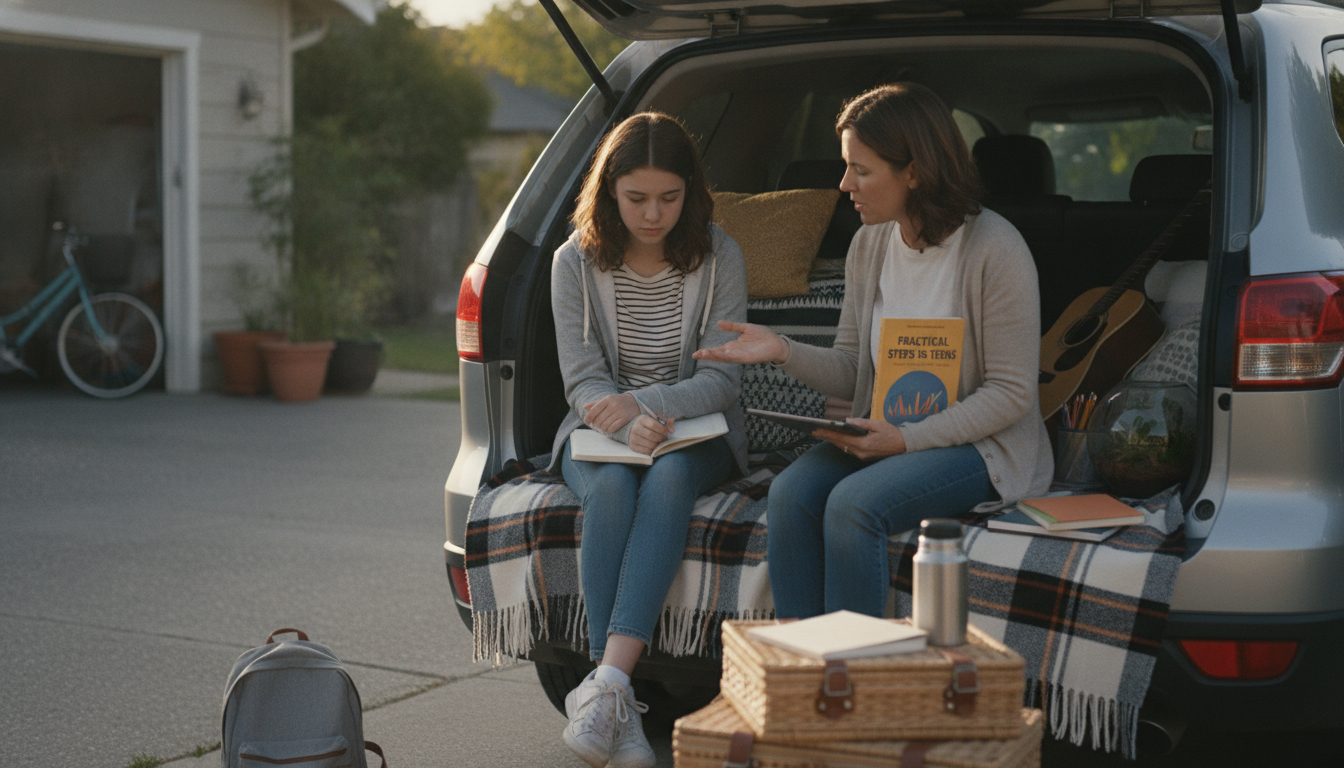
How to deal with a teenager with low self-esteem?
Start by treating low self-esteem as a signal, not a flaw. Teens often look confident on the outside while privately feeling “not enough” in school, sports, friendships, appearance, or social media. The goal is to create steady support while helping them build real competence and self-trust.
Listen for the story behind the behavior
Low self-esteem can show up as withdrawal, perfectionism, irritability, constant comparison, or “I don’t care” attitudes. Instead of correcting the mood, ask calm, specific questions: “What part of today felt worst?” “When did you start thinking that about yourself?” Then reflect what you hear (“That sounded embarrassing”) before jumping to solutions.
Praise effort and strategies, not labels
Generic compliments (“You’re amazing”) can bounce off when a teen feels low. Try concrete feedback: “You studied even when you didn’t feel like it,” or “You handled that awkward moment by leaving instead of escalating.” This reinforces controllable actions and helps them see progress.
Help them build small wins
Confidence grows from repeated proof. Pick one manageable goal they choose: attending one club meeting, turning in one missing assignment, practicing a skill for 10 minutes, or texting one friend. Track the effort, not just results. If they quit, treat it as data: “What got in the way, and what would make it easier next time?”
Reduce comparison triggers
Co-create boundaries around social media and “highlight reel” accounts. Encourage sleep, movement, and in-person connection—three factors that heavily influence mood and self-view. If your teen is open to it, suggest a short “reset” week: fewer scrolling minutes, more real activities, and a simple routine.
Know when to bring in extra support
Consider a counselor or therapist if you notice persistent sadness, self-harm talk, sudden grades drop, panic symptoms, eating changes, or isolation. Professional support can teach coping tools and challenge harsh self-talk faster than willpower alone.
If you’re also supporting younger siblings at home, this practical guide on confidence-building habits can help you create consistent language and routines across ages: confidence signs, scripts, and a simple 7-day plan.
FAQ
What are some signs my teen might be struggling with anxiety or depression?
Common signs include ongoing irritability or sadness, sleep changes, loss of interest in activities, frequent stomachaches or headaches, and avoiding friends or school. If symptoms last more than two weeks or include self-harm thoughts, reach out to a mental health professional promptly.
Recommended for you
Low Self-Esteem in Kids: Signs, Checks, and Support
Jun 22, 2026
Single Parent Benefits: Cash, Food, Health, Housing
Jun 22, 2026













Leave a comment