-
Shop
- Advanced Technologies
- AI Skills
- Bathroom
- Best-Sellers
- Car Accessories
- Confidence
- Dating & Social Skills
- Digital Resources
- AI & Technology
- Beauty
- Budgeting & Saving
- Car Buying & Ownership
- Cozy Feast Collection
- Electronics & Technology
- Entrepreneurship & Business Growth
- Financial Education
- Financial Independence
- Financial Mindset & Psychology
- Goal Setting
- Home Styling & Organization
- Kitchen & Recipes
- Leadership
- Mindfulness
- Mindset
- Online Business
- Parenting & Child Development
- Personal Style & Fashion
- Pet Lifestyle & Wellness
- Positive Thinking
- Sleep Improvement
- Smart Life with AI
- Stress Management & Relaxation
- Travel Planning
- Wellness
- Yoga & Fitness
- Yoga & Mind-Body Practices
- Education & Learning
- Family & Parenting
- Fashion
- Accessories
- Alexander McQueen
- Bags
- Bags & Wallets
- Balenciaga
- Belts
- Blazers
- Bottega Veneta
- Bottoms
- Brunello Cucinelli
- Burberry
- Chanel
- Chloé
- Dior
- Dolce & Gabbana
- Dresses
- Etro
- Fendi
- Gucci
- Hats & Hair Accessories
- Hoodies & Sweatshirts
- Jacquemus
- Jewelry
- Jil Sander
- Kiton
- Luggage
- Miu Miu
- Off-White
- Outerwear
- Prada
- Rick Owens
- Saint Laurent
- Shoes
- Socks & Tights
- Sweaters & Cardigans
- The Row
- Tom Ford
- Tops & Shirts
- Valentino
- Valentino Garavani
- Versace
- Vivienne Westwood
- Watches
- Fashion Accessories
- Furniture
- Gadgets
- Health & Beauty
- Health & Wellness
- Home & Garden
- Home Decor
- Home Electronics
- Home Supplies
- Kids & Babies
- Kitchen
- Kitchen Best-Sellers
- Lighting
- Patio, Lawn & Garden
- Personal Growth
- Pet Care
- Pet Supplies
- Pets
- Sport & Outdoors
- Super Deals
- Travel
- Travel & Adventure
- Wealth
- Popular
- Best deals
Low Self-Esteem in Kids: Signs, Checks, and Support

Does my child have low self-esteem?
Low self-esteem in kids can look like more than shyness. It often shows up as a pattern: your child regularly doubts themselves, avoids trying new things, or seems unusually upset by small mistakes. Many children go through phases like this during big changes (a new sibling, preschool, a move), so the goal is to notice repeated behaviors over time—not label your child.
Common signs to watch for
Children with low confidence may:
- Say negative things about themselves (“I’m bad,” “I can’t,” “Nobody likes me”).
- Give up quickly or refuse to start tasks they might not “win.”
- Over-apologize or seem overly worried about getting in trouble.
- Avoid group play, cling to adults, or withdraw after minor conflicts.
- Act out when frustrated because they don’t know how to cope with mistakes.
Any single sign can be normal. Concern grows when several signs show up frequently and interfere with daily routines, friendships, or learning.
Quick ways to check what’s underneath
Listen for the “story” they tell themselves
When your child struggles, notice whether they describe it as temporary (“That was hard”) or permanent (“I’m not good at anything”). The second pattern often points to low self-esteem.
Watch how they handle mistakes
If a small error leads to big shame, tears, or refusal to try again, your child may need more practice feeling safe while learning.
What helps right away
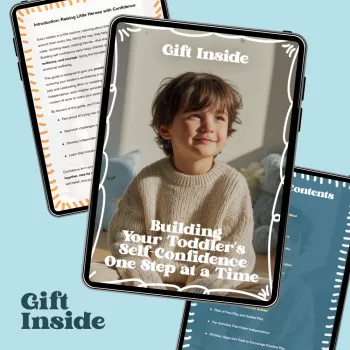
Focus on building “I can learn” confidence. Praise effort and strategies (“You kept trying,” “You asked for help”), give choices they can handle, and offer short, specific encouragement before challenges. If you want step-by-step scripts and a simple plan to strengthen toddler confidence, visit this toddler confidence guide.
When to seek extra support
If low mood, persistent worry, sleep changes, frequent tummyaches, or major school avoidance show up for weeks, consider talking with your pediatrician or a child therapist. Support early can prevent these patterns from getting “stuck.”
FAQ
How can I build my child’s confidence without overpraising?
Use specific feedback tied to effort and process, such as “You worked hard on that puzzle” or “You tried a new way.” Keep praise truthful and pair it with opportunities to practice small, achievable challenges.
Recommended for you
Helping a Teen With Low Self-Esteem: Practical Steps
Jun 22, 2026













Leave a comment