-
Shop
- Advanced Technologies
- AI Skills
- Bathroom
- Best-Sellers
- Car Accessories
- Confidence
- Dating & Social Skills
- Digital Resources
- AI & Technology
- Beauty
- Budgeting & Saving
- Car Buying & Ownership
- Cozy Feast Collection
- Electronics & Technology
- Entrepreneurship & Business Growth
- Financial Education
- Financial Independence
- Financial Mindset & Psychology
- Goal Setting
- Home Styling & Organization
- Kitchen & Recipes
- Leadership
- Mindfulness
- Mindset
- Online Business
- Parenting & Child Development
- Personal Style & Fashion
- Pet Lifestyle & Wellness
- Positive Thinking
- Sleep Improvement
- Smart Life with AI
- Stress Management & Relaxation
- Travel Planning
- Wellness
- Yoga & Fitness
- Yoga & Mind-Body Practices
- Education & Learning
- Family & Parenting
- Fashion
- Accessories
- Alexander McQueen
- Bags
- Bags & Wallets
- Balenciaga
- Belts
- Blazers
- Bottega Veneta
- Bottoms
- Brunello Cucinelli
- Burberry
- Chanel
- Chloé
- Dior
- Dolce & Gabbana
- Dresses
- Etro
- Fendi
- Gucci
- Hats & Hair Accessories
- Hoodies & Sweatshirts
- Jacquemus
- Jewelry
- Jil Sander
- Kiton
- Luggage
- Miu Miu
- Off-White
- Outerwear
- Prada
- Rick Owens
- Saint Laurent
- Shoes
- Socks & Tights
- Sweaters & Cardigans
- The Row
- Tom Ford
- Tops & Shirts
- Valentino
- Valentino Garavani
- Versace
- Vivienne Westwood
- Watches
- Fashion Accessories
- Furniture
- Gadgets
- Health & Beauty
- Health & Wellness
- Home & Garden
- Home Decor
- Home Electronics
- Home Supplies
- Kids & Babies
- Kitchen
- Kitchen Best-Sellers
- Lighting
- Patio, Lawn & Garden
- Personal Growth
- Pet Care
- Pet Supplies
- Pets
- Sport & Outdoors
- Super Deals
- Travel
- Travel & Adventure
- Wealth
- Popular
- Best deals
Balanced Home Lighting: Layers, Bulbs & Easy Room Tips
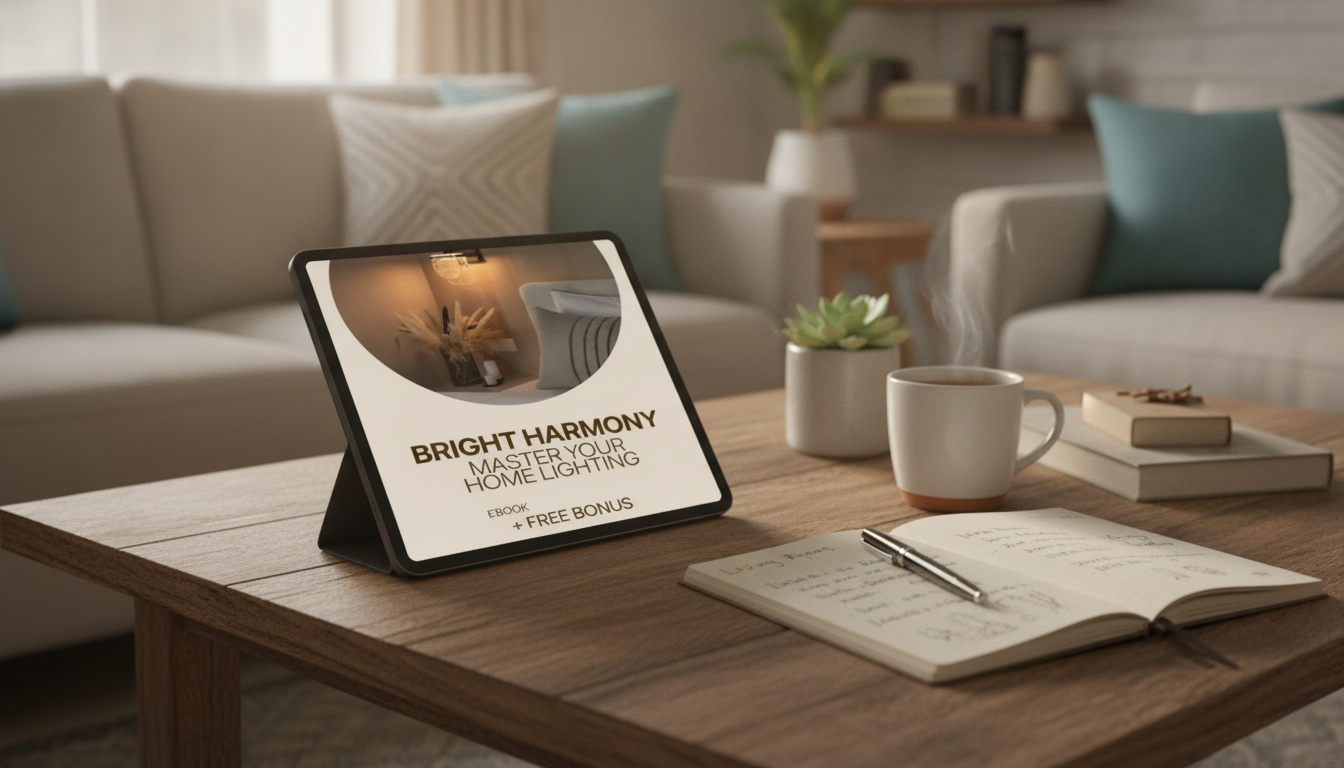
Bright Harmony: Master Your Home Lighting for Balanced, Stylish Spaces
Great lighting feels effortless: rooms look inviting, tasks are easier, and the mood matches the moment. The trick is building lighting in simple layers and making a few smart choices about bulbs, placement, and control—so every space feels balanced without overthinking fixtures or rewiring.
What “balanced lighting” means in real homes
Balanced lighting is less about one “perfect” fixture and more about how the whole room feels once the sun goes down. Instead of asking a single overhead light to do everything, you combine multiple sources so the space looks comfortable and intentional.
- Combine multiple light sources so no single fixture does all the work.
- Aim for even comfort: reduce harsh glare, deep shadows, and overly bright hotspots.
- Match light to use: bright, clear light for tasks; softer light for relaxing; focused accents for visual interest.
- Treat lighting like furniture placement: intentional zones usually look better than one central solution.
The three lighting layers that create harmony
Most rooms feel “done” when at least two lighting layers work together. Add the third layer and the space becomes more flexible—brighter when needed, softer when you want to unwind, and more visually interesting all the time.
- Ambient lighting: overall illumination for safe movement and general visibility (ceiling fixtures, recessed lights, indirect lighting).
- Task lighting: targeted brightness where work happens (desk lamps, under-cabinet kitchen lights, vanity lighting).
- Accent lighting: highlights architecture, art, and texture (picture lights, wall washers, shelf lighting).
- A balanced room typically includes at least two layers; three layers feels finished and flexible.
Lighting layers at a glance
| Layer | Purpose | Common fixtures | Quick placement tip |
|---|---|---|---|
| Ambient | Overall brightness | Ceiling mount, recessed, cove lighting | Use dimmable options to prevent “always too bright” rooms |
| Task | Work and detail | Desk lamp, under-cabinet, vanity lights | Put light in front of the task to avoid casting shadows from your body |
| Accent | Depth and style | Wall sconces, picture lights, LED strips | Aim across surfaces (walls, shelves) for a softer, high-end look |
Room-by-room balance tips (fast wins)
Small upgrades can change how a room feels immediately—especially when they address shadows at eye level and add warmth away from the ceiling.
- Living room: pair a ceiling light (or indirect ambient) with at least two lamps; add one accent source aimed at a wall, plant, or art.
- Kitchen: prioritize task lighting at counters (under-cabinet) and sink; avoid relying on a single overhead fixture that creates shadows on worktops.
- Bedroom: use two bedside lights for symmetry and convenience; keep the brightest light on a dimmer for winding down.
- Bathroom: place light at face level (sconces or vertical fixtures near the mirror) to reduce unflattering shadows; add a separate shower/ceiling light if needed.
- Hallways/entries: use warm, welcoming light with good vertical illumination (sconces help) so the space feels open rather than tunnel-like.
Choosing bulbs: brightness, warmth, and color accuracy
Fixtures set the style, but bulbs determine the experience. A beautiful lamp can still feel wrong if the light is too dim, too blue, or makes colors look flat.
- Brightness: shop by lumens rather than wattage. Increase lumens for task areas (counters, desks, vanities) and reduce for relaxation zones.
- Warmth: warmer tones feel cozy, while slightly cooler tones can feel crisp for focused work. Keep temperatures consistent within a single room for a calmer, more polished look.
- Color rendering: higher CRI helps colors look more natural (especially in closets, bathrooms, and kitchens).
- Consistency: mixing different bulb types and temperatures in one sightline often reads as “off,” even if each bulb is fine alone.
For energy savings and modern bulb guidance, it helps to follow resources like the U.S. Department of Energy’s lighting overview and ENERGY STAR’s LED bulb information.
Placement and control: small changes that feel expensive
Design-forward lighting is often less about buying pricier fixtures and more about placing light where it flatters the room and adding control so it adapts to real life.
- Use dimmers: they create instant flexibility and reduce the need for “perfect” bulb brightness.
- Layered switching: separate controls for ambient, task, and accent lighting makes spaces easier to tune.
- Shade and diffusion: fabric shades and frosted globes reduce glare; clear bulbs in bare fixtures can feel harsh at night.
- Height matters: floor lamps can lift light into the room; low table lamps create intimacy; wall sconces brighten vertical surfaces.
When evaluating comfort and visibility standards in professional lighting design, the Illuminating Engineering Society (IES) is a widely recognized authority.
A simple checklist for a balanced lighting plan
Guidebook option: Bright Harmony
Shop the guide: Bright Harmony: Master Your Home Lighting – An Easy, Stylish Guide to Balanced Spaces with Home Lighting Balance Tips
For planning home projects and keeping decisions organized, you may also like: AI for Small Business Toolkit – 5-in-1 Digital Download Bundle
FAQ
How many lights does a room need to feel balanced?
Aim for at least two layers—ambient plus task—and add an accent light for depth in most living spaces. As a practical rule, include one overhead or indirect ambient source and then use lamps to fill dark corners and support how you actually use the room.
What light color is best for a cozy home without looking yellow?
Choose a warm-to-neutral tone and keep it consistent within each room so the light reads intentional instead of mismatched. Dimmers help you keep a cozy feel at night without needing overly yellow bulbs.
How do you fix harsh overhead lighting fast?
Add a couple of lamps to spread light at eye level, then reduce the overhead intensity with a dimmer or a lower-lumen bulb. Swapping to diffused shades and adding wall or indirect light also softens glare and makes the room feel more upscale.












Leave a comment