-
Shop
- Advanced Technologies
- AI Skills
- Bathroom
- Best-Sellers
- Car Accessories
- Confidence
- Dating & Social Skills
- Digital Resources
- AI & Technology
- Beauty
- Budgeting & Saving
- Car Buying & Ownership
- Cozy Feast Collection
- Electronics & Technology
- Entrepreneurship & Business Growth
- Financial Education
- Financial Independence
- Financial Mindset & Psychology
- Goal Setting
- Home Styling & Organization
- Kitchen & Recipes
- Leadership
- Mindfulness
- Mindset
- Online Business
- Parenting & Child Development
- Personal Style & Fashion
- Pet Lifestyle & Wellness
- Positive Thinking
- Sleep Improvement
- Smart Life with AI
- Stress Management & Relaxation
- Travel Planning
- Wellness
- Yoga & Fitness
- Yoga & Mind-Body Practices
- Education & Learning
- Family & Parenting
- Fashion
- Accessories
- Alexander McQueen
- Bags
- Bags & Wallets
- Balenciaga
- Belts
- Blazers
- Bottega Veneta
- Bottoms
- Brunello Cucinelli
- Burberry
- Chanel
- Chloé
- Dior
- Dolce & Gabbana
- Dresses
- Etro
- Fendi
- Gucci
- Hats & Hair Accessories
- Hoodies & Sweatshirts
- Jacquemus
- Jewelry
- Jil Sander
- Kiton
- Luggage
- Miu Miu
- Off-White
- Outerwear
- Prada
- Rick Owens
- Saint Laurent
- Shoes
- Socks & Tights
- Sweaters & Cardigans
- The Row
- Tom Ford
- Tops & Shirts
- Valentino
- Valentino Garavani
- Versace
- Vivienne Westwood
- Watches
- Fashion Accessories
- Furniture
- Gadgets
- Health & Beauty
- Health & Wellness
- Home & Garden
- Home Decor
- Home Electronics
- Home Supplies
- Kids & Babies
- Kitchen
- Kitchen Best-Sellers
- Lighting
- Patio, Lawn & Garden
- Personal Growth
- Pet Care
- Pet Supplies
- Pets
- Sport & Outdoors
- Super Deals
- Travel
- Travel & Adventure
- Wealth
- Popular
- Best deals
Do Cats Like Cat Trees? Benefits, Features & Placement
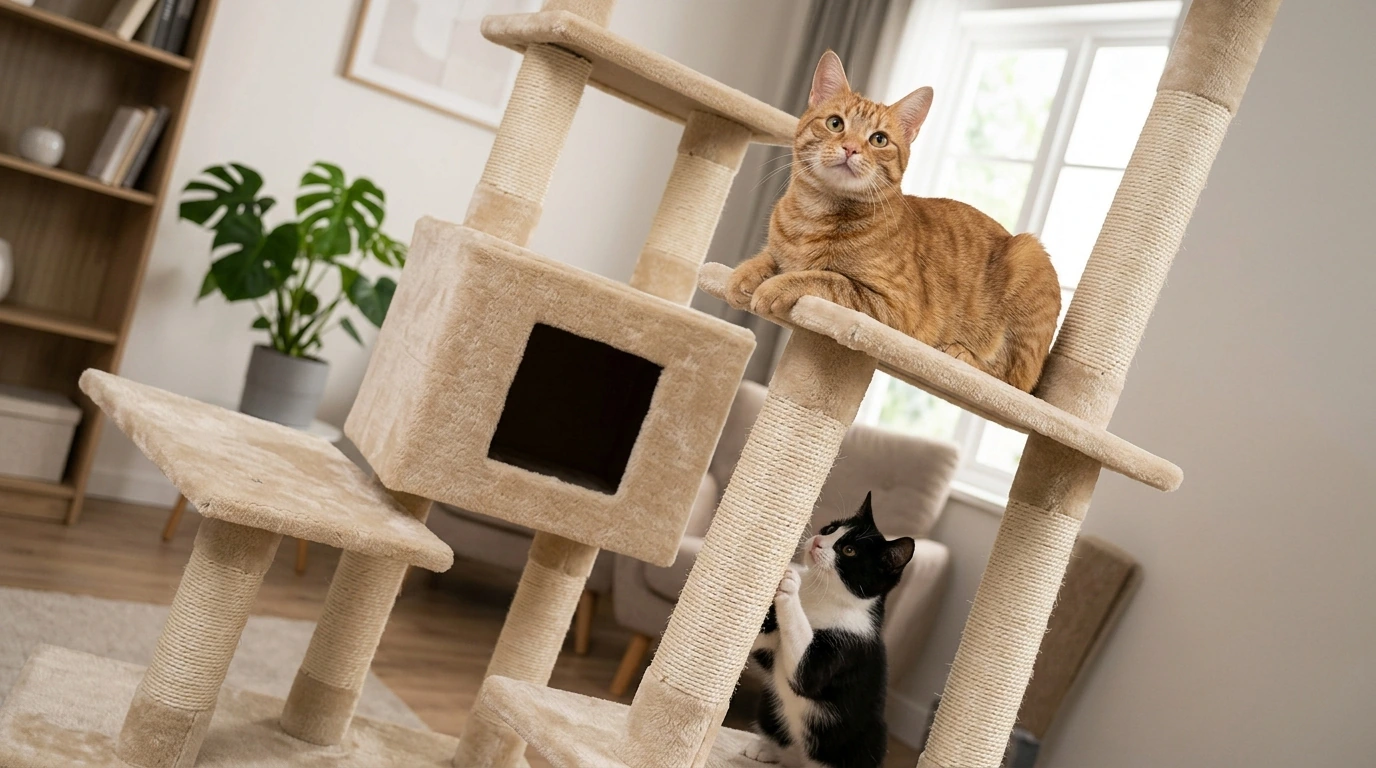
Do Cats Enjoy Having a Cat Tree?
Most cats do enjoy having a cat tree because it gives them what their instincts already ask for: height, scratching options, and defined places to perch, nap, and observe. When you add a well-built tree to your home, you’re essentially creating a dedicated “cat zone” that helps your cat feel secure and occupied—often reducing boredom behaviors like furniture scratching or countertop hopping.
Why Many Cats Love Cat Trees
They offer safe vertical territory
Cats naturally seek elevated spots to watch what’s happening. A multi-level cat tree gives your cat choices—higher platforms for confident surveying and lower platforms for quick retreats—without needing to climb your shelves or curtains.
They satisfy the urge to scratch
Scratching isn’t misbehavior; it’s how cats stretch, condition claws, and mark territory. A cat tree with sturdy sisal-wrapped posts gives your cat an appropriate scratch target that’s tall enough for a full-body stretch.
They encourage jumping and play
Platforms at different heights invite climbing, hopping, and pouncing. That everyday movement supports muscle tone and provides healthy stimulation, especially for indoor cats that don’t get outdoor exploring.
How to Choose a Cat Tree Your Cat Will Actually Use
Our team recommends prioritizing stability and layout. A wide, heavy base helps prevent wobbling during leaps. Look for multiple scratch surfaces, at least one high perch, and platforms spaced so your cat can step up without awkward gaps. If your cat is large or older, choose wider platforms and a lower-to-higher progression that’s easy on joints.
Placement matters too: set the tree near a window for “cat TV,” or near the family area so your cat can be close to you while still having their own space. For a practical example of a multi-level setup with scratch posts and jump platforms, see our guide here: 5-layer cat tree guide with sisal scratching post and jump platforms.
Tips to Help Your Cat Warm Up to a New Tree
Put the tree where your cat already likes to hang out, rub a little catnip on a scratch post if your cat responds to it, and reward any exploration with praise or a treat. Keep it steady and uncluttered at first so your cat can map it confidently.
FAQ
Where should I place a cat tree in my home?
Place it in a spot your cat already frequents, ideally near a window or in the room where you spend the most time. Avoid tight corners where your cat feels trapped, and keep it away from hazards like hot vents or dangling blind cords.
Recommended for you



How Many Cat Trees Does One Cat Need? Simple Guide
Oct 13, 2026
Best Colors That Complement Brass (Simple Pairings)
Oct 13, 2026













Leave a comment