-
Shop
- Advanced Technologies
- AI Skills
- Bathroom
- Best-Sellers
- Car Accessories
- Confidence
- Dating & Social Skills
- Digital Resources
- AI & Technology
- Beauty
- Budgeting & Saving
- Car Buying & Ownership
- Cozy Feast Collection
- Electronics & Technology
- Entrepreneurship & Business Growth
- Financial Education
- Financial Independence
- Financial Mindset & Psychology
- Goal Setting
- Home Styling & Organization
- Kitchen & Recipes
- Leadership
- Mindfulness
- Mindset
- Online Business
- Parenting & Child Development
- Personal Style & Fashion
- Pet Lifestyle & Wellness
- Positive Thinking
- Sleep Improvement
- Smart Life with AI
- Stress Management & Relaxation
- Travel Planning
- Wellness
- Yoga & Fitness
- Yoga & Mind-Body Practices
- Education & Learning
- Family & Parenting
- Fashion
- Accessories
- Alexander McQueen
- Bags
- Bags & Wallets
- Balenciaga
- Belts
- Blazers
- Bottega Veneta
- Bottoms
- Brunello Cucinelli
- Burberry
- Chanel
- Chloé
- Dior
- Dolce & Gabbana
- Dresses
- Etro
- Fendi
- Gucci
- Hats & Hair Accessories
- Hoodies & Sweatshirts
- Jacquemus
- Jewelry
- Jil Sander
- Kiton
- Luggage
- Miu Miu
- Off-White
- Outerwear
- Prada
- Rick Owens
- Saint Laurent
- Shoes
- Socks & Tights
- Sweaters & Cardigans
- The Row
- Tom Ford
- Tops & Shirts
- Valentino
- Valentino Garavani
- Versace
- Vivienne Westwood
- Watches
- Fashion Accessories
- Furniture
- Gadgets
- Health & Beauty
- Health & Wellness
- Home & Garden
- Home Decor
- Home Electronics
- Home Supplies
- Kids & Babies
- Kitchen
- Kitchen Best-Sellers
- Lighting
- Patio, Lawn & Garden
- Personal Growth
- Pet Care
- Pet Supplies
- Pets
- Sport & Outdoors
- Super Deals
- Travel
- Travel & Adventure
- Wealth
- Popular
- Best deals
Primary Eye Care Definition: Pet Basics & Warning Signs
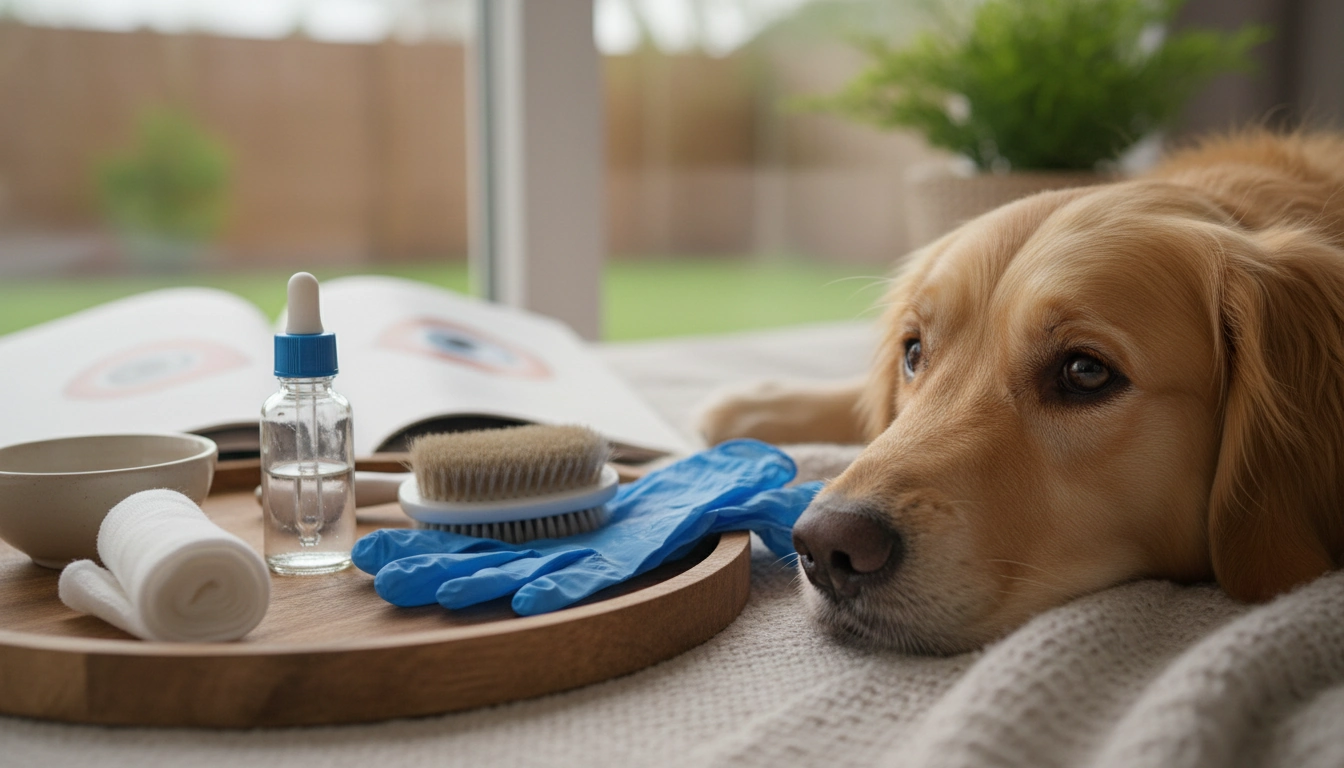
What is the definition of primary eye care?
Primary eye care is the first level of eye health support—routine, preventive care and early problem-spotting that helps keep eyes comfortable and functioning well. It typically includes basic screening, identifying common symptoms, offering initial guidance, and deciding when a more specialized eye exam or treatment is needed. The goal is to catch issues early, reduce irritation, and protect long-term vision.
In everyday life, primary eye care looks like consistent habits and observation: keeping the area around the eyes clean, watching for changes, and responding quickly when something seems “off.” For pet owners, that often means gently removing discharge, checking for redness or squinting, and noting changes in tearing or eye clarity during daily routines.
What primary eye care includes
Primary eye care usually covers practical steps such as hygiene, comfort measures, and basic triage. For example, cleaning around the eyes can help prevent debris buildup, while noticing new cloudiness, swelling, or frequent pawing at the face can signal a problem that shouldn’t wait.
It also includes knowing your boundaries: primary eye care supports early detection and basic maintenance, but it does not replace a veterinary or medical eye exam when there are warning signs such as sudden redness, persistent discharge, visible injury, or behavior changes linked to eye pain.
Why primary eye care matters for dogs and cats
Pets can’t explain what they’re feeling, so small clues matter. Early action can prevent minor irritation from becoming a bigger issue and can help protect vision. If you want a practical, pet-focused reference for daily upkeep and red flags, visit this guide to daily eye care for dogs and cats for cleaning tips and warning signs that merit a vet visit.
FAQ
What are common warning signs of eye problems in pets?
Common warning signs include redness, squinting, pawing at the eye, swelling, persistent discharge, sudden cloudiness, or one eye looking different from the other. If symptoms appear suddenly or worsen quickly, prompt veterinary attention is important.
















Leave a comment