-
Shop
- Advanced Technologies
- AI Skills
- Bathroom
- Best-Sellers
- Car Accessories
- Confidence
- Dating & Social Skills
- Digital Resources
- AI & Technology
- Beauty
- Budgeting & Saving
- Car Buying & Ownership
- Cozy Feast Collection
- Electronics & Technology
- Entrepreneurship & Business Growth
- Financial Education
- Financial Independence
- Financial Mindset & Psychology
- Goal Setting
- Home Styling & Organization
- Kitchen & Recipes
- Leadership
- Mindfulness
- Mindset
- Online Business
- Parenting & Child Development
- Personal Style & Fashion
- Pet Lifestyle & Wellness
- Positive Thinking
- Sleep Improvement
- Smart Life with AI
- Stress Management & Relaxation
- Travel Planning
- Wellness
- Yoga & Fitness
- Yoga & Mind-Body Practices
- Education & Learning
- Family & Parenting
- Fashion
- Accessories
- Alexander McQueen
- Bags
- Bags & Wallets
- Balenciaga
- Belts
- Blazers
- Bottega Veneta
- Bottoms
- Brunello Cucinelli
- Burberry
- Chanel
- Chloé
- Dior
- Dolce & Gabbana
- Dresses
- Etro
- Fendi
- Gucci
- Hats & Hair Accessories
- Hoodies & Sweatshirts
- Jacquemus
- Jewelry
- Jil Sander
- Kiton
- Luggage
- Miu Miu
- Off-White
- Outerwear
- Prada
- Rick Owens
- Saint Laurent
- Shoes
- Socks & Tights
- Sweaters & Cardigans
- The Row
- Tom Ford
- Tops & Shirts
- Valentino
- Valentino Garavani
- Versace
- Vivienne Westwood
- Watches
- Fashion Accessories
- Furniture
- Gadgets
- Health & Beauty
- Health & Wellness
- Home & Garden
- Home Decor
- Home Electronics
- Home Supplies
- Kids & Babies
- Kitchen
- Kitchen Best-Sellers
- Lighting
- Patio, Lawn & Garden
- Personal Growth
- Pet Care
- Pet Supplies
- Pets
- Sport & Outdoors
- Super Deals
- Travel
- Travel & Adventure
- Wealth
- Popular
- Best deals
Basic Eye Care: Clean, Protect, and Spot Warning Signs
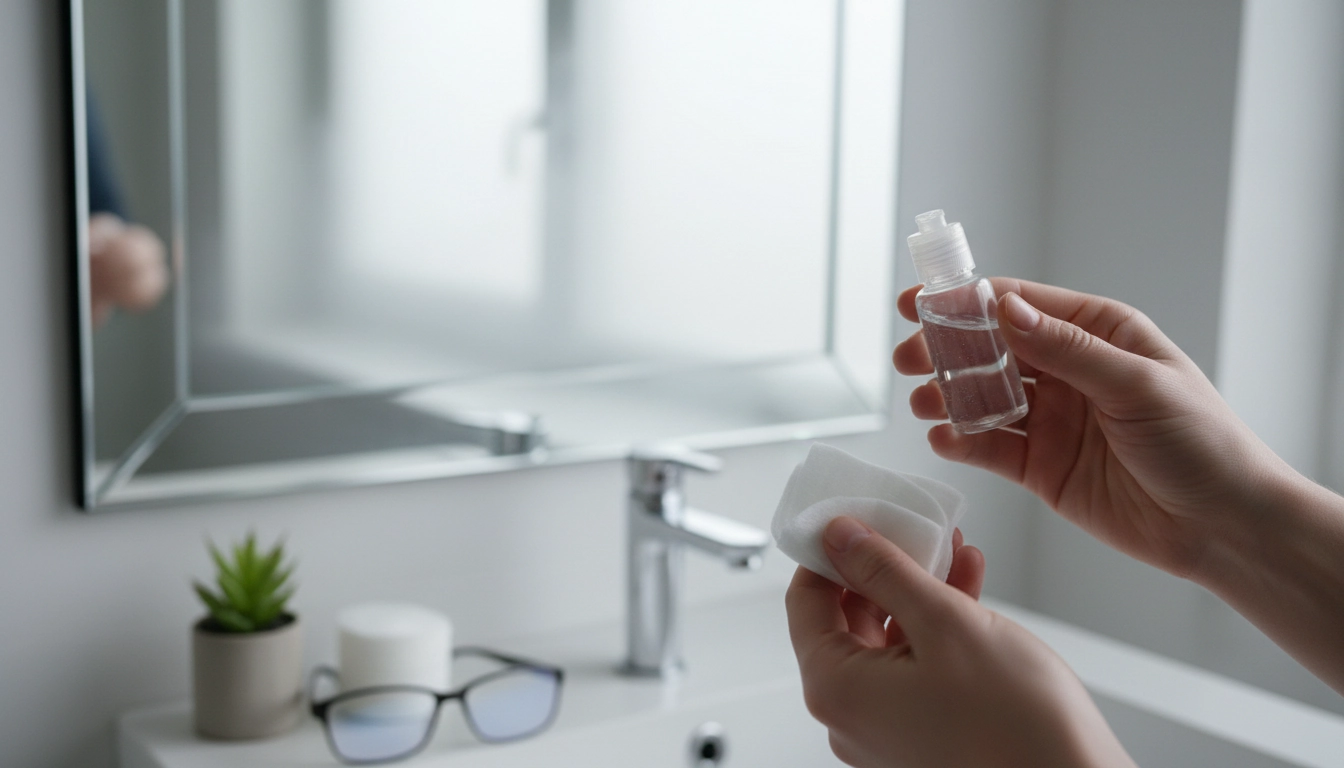
What is basic eye care?
Basic eye care is the set of everyday habits that help keep eyes comfortable, clean, and functioning well while reducing the chance of irritation or infection. For pets and people alike, it comes down to four fundamentals: gentle cleaning, minimizing exposure to irritants, watching for early warning signs, and getting prompt help when something looks “off.”
Keep the eye area clean (without overdoing it)
Use a clean, soft cloth or cotton pad slightly dampened with warm water to wipe away crust or discharge around the eyes. Wipe from the inner corner outward, and use a fresh pad for each eye to avoid spreading germs. Avoid scented wipes, alcohol, hydrogen peroxide, or harsh soaps near the eyes.
Protect eyes from common irritants
Wind, dust, smoke, grooming sprays, and strong household cleaners can all trigger redness or watering. For pets, trimmed facial hair around the eyes can prevent poking or trapping debris. During baths, keep shampoo away from the eyes and rinse thoroughly if any gets near the lids.
Know what “normal” looks like
Healthy eyes typically look bright and clear, with minimal tearing and no strong odor. A small amount of clear discharge can be normal, but thick yellow/green discharge, frequent squinting, or pawing at the face isn’t.
Act quickly on warning signs
Eye problems can worsen fast. Seek veterinary or medical care if you notice persistent redness, swelling, cloudiness, sudden sensitivity to light, unequal pupils, a visible foreign object, or any injury. If your pet’s eye is painful, avoid home remedies and prevent rubbing until you can be seen.
For step-by-step help focused on pets—including safe cleaning and the red flags that require a vet visit—see the full guide here: Daily eye care for dogs and cats: cleaning and warning signs.
FAQ
How can I tell if an eye problem is an emergency?
Sudden pain, a bulging eye, significant swelling, cloudiness, bleeding, a penetrating injury, or a pet keeping the eye tightly closed are urgent signs. If vision seems affected or symptoms worsen quickly, get immediate veterinary or medical help.
















Leave a comment