-
Shop
- Advanced Technologies
- AI Skills
- Bathroom
- Best-Sellers
- Car Accessories
- Confidence
- Dating & Social Skills
- Digital Resources
- AI & Technology
- Beauty
- Budgeting & Saving
- Car Buying & Ownership
- Cozy Feast Collection
- Electronics & Technology
- Entrepreneurship & Business Growth
- Financial Education
- Financial Independence
- Financial Mindset & Psychology
- Goal Setting
- Home Styling & Organization
- Kitchen & Recipes
- Leadership
- Mindfulness
- Mindset
- Online Business
- Parenting & Child Development
- Personal Style & Fashion
- Pet Lifestyle & Wellness
- Positive Thinking
- Sleep Improvement
- Smart Life with AI
- Stress Management & Relaxation
- Travel Planning
- Wellness
- Yoga & Fitness
- Yoga & Mind-Body Practices
- Education & Learning
- Family & Parenting
- Fashion
- Accessories
- Alexander McQueen
- Bags
- Bags & Wallets
- Balenciaga
- Belts
- Blazers
- Bottega Veneta
- Bottoms
- Brunello Cucinelli
- Burberry
- Chanel
- Chloé
- Dior
- Dolce & Gabbana
- Dresses
- Etro
- Fendi
- Gucci
- Hats & Hair Accessories
- Hoodies & Sweatshirts
- Jacquemus
- Jewelry
- Jil Sander
- Kiton
- Luggage
- Miu Miu
- Off-White
- Outerwear
- Prada
- Rick Owens
- Saint Laurent
- Shoes
- Socks & Tights
- Sweaters & Cardigans
- The Row
- Tom Ford
- Tops & Shirts
- Valentino
- Valentino Garavani
- Versace
- Vivienne Westwood
- Watches
- Fashion Accessories
- Furniture
- Gadgets
- Health & Beauty
- Health & Wellness
- Home & Garden
- Home Decor
- Home Electronics
- Home Supplies
- Kids & Babies
- Kitchen
- Kitchen Best-Sellers
- Lighting
- Patio, Lawn & Garden
- Personal Growth
- Pet Care
- Pet Supplies
- Pets
- Sport & Outdoors
- Super Deals
- Travel
- Travel & Adventure
- Wealth
- Popular
- Best deals
Smart Bundle Data: Uses for Personalized Shopping
What is smart bundle data used for?
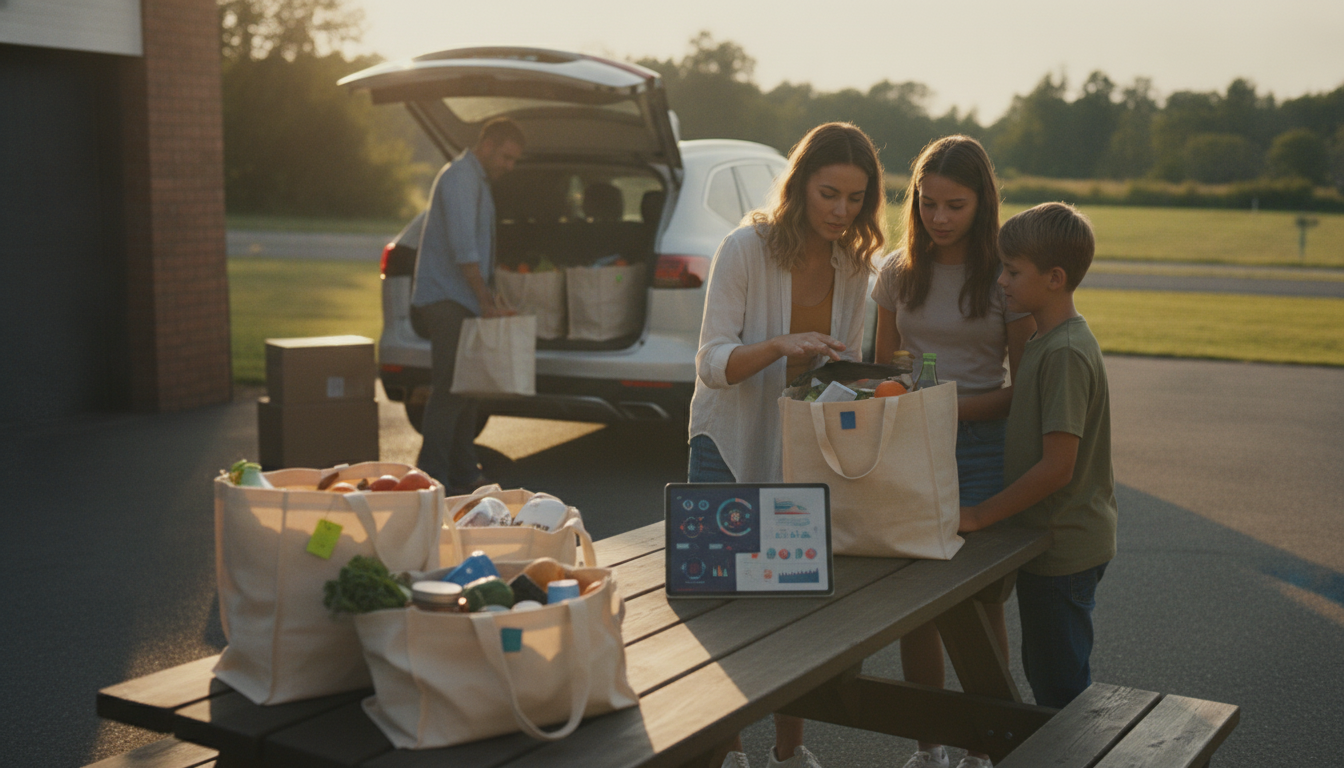
Smart bundle data is used to power personalized, automated experiences that make shopping and planning easier. Instead of treating every customer interaction the same, smart bundle data organizes what someone needs, when they need it, and which items work well together—so the right products can be grouped into a single bundle that actually fits real life.
For e-commerce, that often means bundling complementary items (like pantry staples, quick-prep ingredients, and reusable tools) based on patterns such as past purchases, household size, dietary preferences, or schedule. The result can be fewer last-minute runs, less decision fatigue, and a cart that feels pre-built for the way a family eats and shops.
Common ways smart bundle data is applied
Smarter recommendations: Bundles can be suggested based on what typically goes together, what you’ve bought before, or what similar shoppers found useful.
Meal and routine planning: When bundles are tied to plans (like weekly meals), data helps align quantities, reduce duplicates, and keep essentials on hand.
Inventory-friendly bundles: Retailers can use data signals to build bundles that match demand without overstocking, keeping popular items available while rotating seasonal add-ons.
Better value pairing: Smart bundles can combine high-use essentials with occasional items to create a balanced, cost-effective set—without forcing random extras.
For a practical example of how bundles can support real-world meal planning—especially for families—see the full guide here: https://bestsellis.com/guide-smart-bundle-family-meal-planning-4-in-1-guides-ebooks-checklists/.
FAQ
What is the difference between smart data and normal data bundle?
A smart data bundle adapts to usage or context (like app behavior, timing, or preferences), while a normal data bundle is typically a fixed amount of data with the same rules for every user.
What consumes my data bundles?
Streaming video and music, app downloads/updates, cloud backups, video calls, and hotspot use are some of the biggest consumers. Background app activity can also add up quickly if not limited.
Recommended for you


Smart Bundle Meal Planning: 4-in-1 Family System
Jul 29, 2026
Why Your Data Bundles Run Out Fast (And Fixes)
Jul 29, 2026













Leave a comment