-
Shop
- Advanced Technologies
- AI Skills
- Bathroom
- Best-Sellers
- Car Accessories
- Confidence
- Dating & Social Skills
- Digital Resources
- AI & Technology
- Beauty
- Budgeting & Saving
- Car Buying & Ownership
- Cozy Feast Collection
- Electronics & Technology
- Entrepreneurship & Business Growth
- Financial Education
- Financial Independence
- Financial Mindset & Psychology
- Goal Setting
- Home Styling & Organization
- Kitchen & Recipes
- Leadership
- Mindfulness
- Mindset
- Online Business
- Parenting & Child Development
- Personal Style & Fashion
- Pet Lifestyle & Wellness
- Positive Thinking
- Sleep Improvement
- Smart Life with AI
- Stress Management & Relaxation
- Travel Planning
- Wellness
- Yoga & Fitness
- Yoga & Mind-Body Practices
- Education & Learning
- Family & Parenting
- Fashion
- Accessories
- Alexander McQueen
- Bags
- Bags & Wallets
- Balenciaga
- Belts
- Blazers
- Bottega Veneta
- Bottoms
- Brunello Cucinelli
- Burberry
- Chanel
- Chloé
- Dior
- Dolce & Gabbana
- Dresses
- Etro
- Fendi
- Gucci
- Hats & Hair Accessories
- Hoodies & Sweatshirts
- Jacquemus
- Jewelry
- Jil Sander
- Kiton
- Luggage
- Miu Miu
- Off-White
- Outerwear
- Prada
- Rick Owens
- Saint Laurent
- Shoes
- Socks & Tights
- Sweaters & Cardigans
- The Row
- Tom Ford
- Tops & Shirts
- Valentino
- Valentino Garavani
- Versace
- Vivienne Westwood
- Watches
- Fashion Accessories
- Furniture
- Gadgets
- Health & Beauty
- Health & Wellness
- Home & Garden
- Home Decor
- Home Electronics
- Home Supplies
- Kids & Babies
- Kitchen
- Kitchen Best-Sellers
- Lighting
- Patio, Lawn & Garden
- Personal Growth
- Pet Care
- Pet Supplies
- Pets
- Sport & Outdoors
- Super Deals
- Travel
- Travel & Adventure
- Wealth
- Popular
- Best deals
50mm vs Aperture: What “50mm Aperture” Really Means
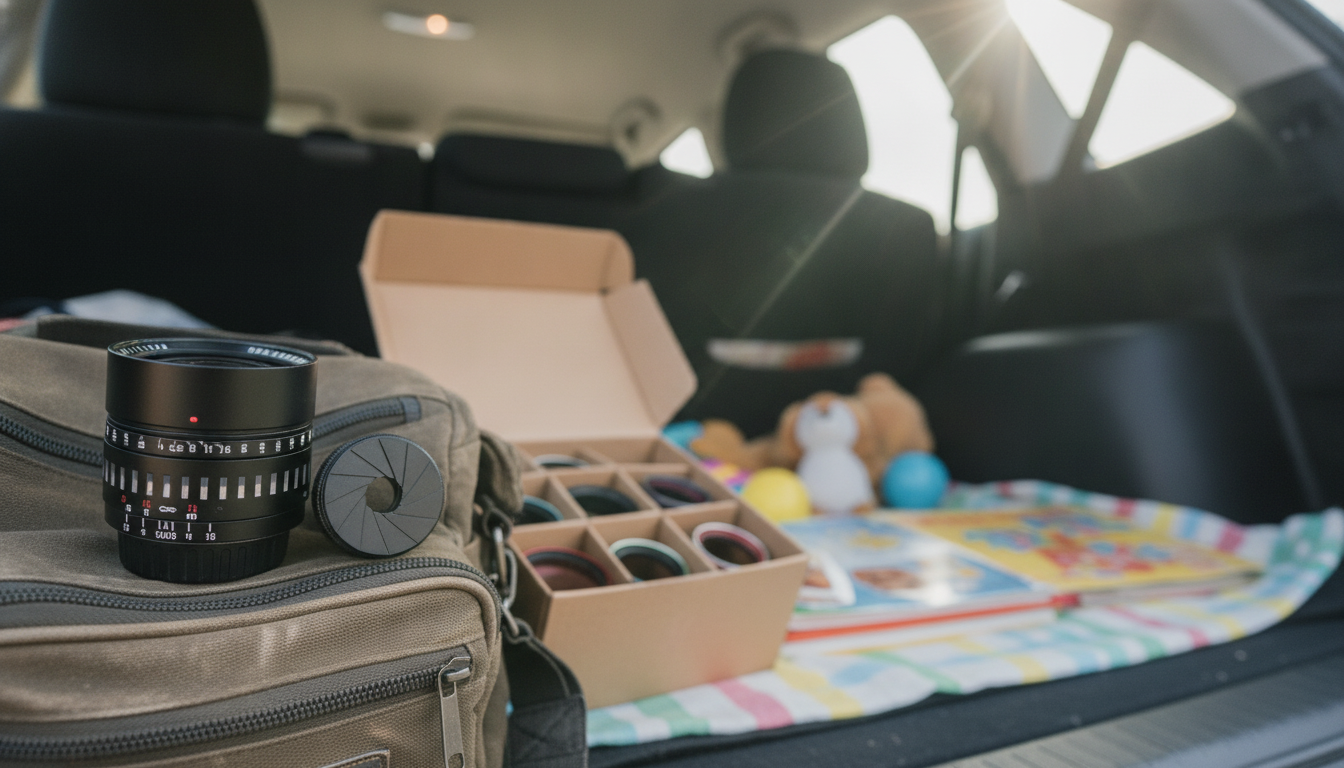
What is a 50mm aperture?
A “50mm aperture” isn’t one specific setting—it’s a common mix-up of two separate lens specs. “50mm” describes the lens’s focal length (how wide or tight the view looks), while “aperture” describes how large the lens opening can get (how much light it lets in), usually written as an f-number like f/1.8, f/1.4, or f/0.95.
What 50mm means
On a full-frame camera, a 50mm lens is often called “normal” because it gives a perspective that feels natural for everyday scenes. On APS-C cameras, it behaves more like a short telephoto (roughly 75–80mm equivalent), which can be flattering for portraits because it compresses features slightly and narrows the field of view.
What aperture means on a 50mm lens
Aperture is the adjustable opening inside the lens. Smaller f-numbers (like f/1.4 or f/0.95) mean a wider opening, which lets in more light and creates a shallower depth of field. Larger f-numbers (like f/8) mean a narrower opening, which lets in less light and keeps more of the scene in focus.
Why “fast” 50mm apertures are popular
A 50mm lens with a wide maximum aperture is popular because it can shoot in dimmer environments without raising ISO as much, and it can produce strong background blur (bokeh) for subject separation. The trade-off is that focusing becomes more critical—at very wide apertures, a small shift can move the sharp plane from an eye to an eyelash.
Example: 50mm f/0.95 vs 50mm f/1.8
Both are 50mm lenses, so they frame similarly. The f/0.95 lens can gather significantly more light and can blur the background more dramatically, but it’s often larger, pricier, and less forgiving with focus. A 50mm f/1.8 is typically smaller, easier to handle, and still capable of pleasing subject isolation.
For practical tips on using a very wide-open 50mm lens for portraits, see the full guide here: https://bestsellis.com/guide-50mm-f0-95-manual-portrait-lens-wide-open-tips/.
FAQ
What does f/0.95 mean on a 50mm lens?
It’s the lens’s maximum aperture: an extremely wide opening that lets in a lot of light and creates very shallow depth of field. It can deliver strong background blur, but accurate focusing becomes much more demanding.
Recommended for you
Help With Family Issues: Steps, Boundaries & Support
Jun 28, 2026
Who Can Help With Family Problems? Support Options
Jun 28, 2026













Leave a comment