-
Shop
- Advanced Technologies
- AI Skills
- Bathroom
- Best-Sellers
- Car Accessories
- Confidence
- Dating & Social Skills
- Digital Resources
- AI & Technology
- Beauty
- Budgeting & Saving
- Car Buying & Ownership
- Cozy Feast Collection
- Electronics & Technology
- Entrepreneurship & Business Growth
- Financial Education
- Financial Independence
- Financial Mindset & Psychology
- Goal Setting
- Home Styling & Organization
- Kitchen & Recipes
- Leadership
- Mindfulness
- Mindset
- Online Business
- Parenting & Child Development
- Personal Style & Fashion
- Pet Lifestyle & Wellness
- Positive Thinking
- Sleep Improvement
- Smart Life with AI
- Stress Management & Relaxation
- Travel Planning
- Wellness
- Yoga & Fitness
- Yoga & Mind-Body Practices
- Education & Learning
- Family & Parenting
- Fashion
- Accessories
- Alexander McQueen
- Bags
- Bags & Wallets
- Balenciaga
- Belts
- Blazers
- Bottega Veneta
- Bottoms
- Brunello Cucinelli
- Burberry
- Chanel
- Chloé
- Dior
- Dolce & Gabbana
- Dresses
- Etro
- Fendi
- Gucci
- Hats & Hair Accessories
- Hoodies & Sweatshirts
- Jacquemus
- Jewelry
- Jil Sander
- Kiton
- Luggage
- Miu Miu
- Off-White
- Outerwear
- Prada
- Rick Owens
- Saint Laurent
- Shoes
- Socks & Tights
- Sweaters & Cardigans
- The Row
- Tom Ford
- Tops & Shirts
- Valentino
- Valentino Garavani
- Versace
- Vivienne Westwood
- Watches
- Fashion Accessories
- Furniture
- Gadgets
- Health & Beauty
- Health & Wellness
- Home & Garden
- Home Decor
- Home Electronics
- Home Supplies
- Kids & Babies
- Kitchen
- Kitchen Best-Sellers
- Lighting
- Patio, Lawn & Garden
- Personal Growth
- Pet Care
- Pet Supplies
- Pets
- Sport & Outdoors
- Super Deals
- Travel
- Travel & Adventure
- Wealth
- Popular
- Best deals
“Add a Little More Color” Meaning (Plus Examples)

What does “add a little more color” mean?
“Add a little more color” usually means making something more vivid, detailed, or interesting. The phrase is used both literally (making colors brighter or more varied) and figuratively (adding personality, detail, or excitement to a story, description, or design).
How it’s used in everyday conversation
In conversation, it often acts like a gentle nudge to expand. If someone says, “Can you add a little more color?” they may want extra context, stronger examples, or more expressive wording. For instance, a coworker might ask for “more color” in a presentation so it feels less flat—adding a quick anecdote, a customer quote, or a clear visual comparison can do that.
What it means in design, décor, and fashion
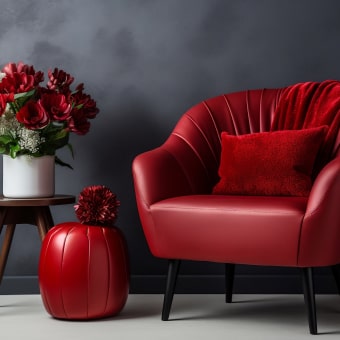
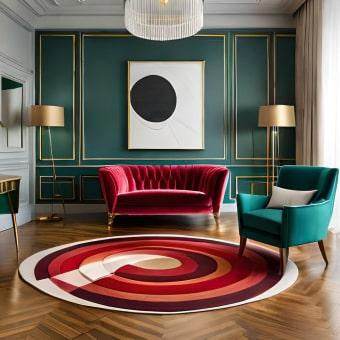
In visual settings, the meaning is more literal: add hues, contrast, or accents. That might involve choosing a brighter paint shade, introducing a patterned throw pillow, or adding a bold accessory to an outfit. “A little more color” doesn’t always mean neon or loud—sometimes it simply means moving from all-neutral to one intentional accent (like a navy bag with a beige outfit).
What it means in writing and storytelling
In writing, “color” can mean detail that helps a reader picture the scene or understand the mood. That could be sensory description, a clearer timeline, or a specific example that replaces a vague statement. The goal is usually clarity and engagement, not unnecessary fluff.
Quick examples
Literal: “This room feels bland—let’s add a little more color with art and a rug.”
Figurative: “Your summary is accurate, but add a little more color about what happened after the launch.”
For a deeper explanation and more examples, visit the main article on BestSellis.
For “Add a Little More Color” Meaning (Plus Examples), the best answer depends on fit, material, care instructions, and how the product will be used day to day.
FAQ
What’s the difference between “add color” and “add detail”?
“Add color” often implies making something more lively or engaging, while “add detail” focuses on providing more specific information. In practice, adding “color” usually includes details that create tone, personality, or a clearer picture.
Recommended for you


Legal Risks of AI-Written Kindle eBooks (KDP Guide)
Jun 26, 2026
Weeknight Dinner System: Fast Meals with AI Planning
Jun 26, 2026










Leave a comment