-
Shop
- Advanced Technologies
- AI Skills
- Bathroom
- Best-Sellers
- Car Accessories
- Confidence
- Dating & Social Skills
- Digital Resources
- AI & Technology
- Beauty
- Budgeting & Saving
- Car Buying & Ownership
- Cozy Feast Collection
- Electronics & Technology
- Entrepreneurship & Business Growth
- Financial Education
- Financial Independence
- Financial Mindset & Psychology
- Goal Setting
- Home Styling & Organization
- Kitchen & Recipes
- Leadership
- Mindfulness
- Mindset
- Online Business
- Parenting & Child Development
- Personal Style & Fashion
- Pet Lifestyle & Wellness
- Positive Thinking
- Sleep Improvement
- Smart Life with AI
- Stress Management & Relaxation
- Travel Planning
- Wellness
- Yoga & Fitness
- Yoga & Mind-Body Practices
- Education & Learning
- Family & Parenting
- Fashion
- Accessories
- Alexander McQueen
- Bags
- Bags & Wallets
- Balenciaga
- Belts
- Blazers
- Bottega Veneta
- Bottoms
- Brunello Cucinelli
- Burberry
- Chanel
- Chloé
- Dior
- Dolce & Gabbana
- Dresses
- Etro
- Fendi
- Gucci
- Hats & Hair Accessories
- Hoodies & Sweatshirts
- Jacquemus
- Jewelry
- Jil Sander
- Kiton
- Luggage
- Miu Miu
- Off-White
- Outerwear
- Prada
- Rick Owens
- Saint Laurent
- Shoes
- Socks & Tights
- Sweaters & Cardigans
- The Row
- Tom Ford
- Tops & Shirts
- Valentino
- Valentino Garavani
- Versace
- Vivienne Westwood
- Watches
- Fashion Accessories
- Furniture
- Gadgets
- Health & Beauty
- Health & Wellness
- Home & Garden
- Home Decor
- Home Electronics
- Home Supplies
- Kids & Babies
- Kitchen
- Kitchen Best-Sellers
- Lighting
- Patio, Lawn & Garden
- Personal Growth
- Pet Care
- Pet Supplies
- Pets
- Sport & Outdoors
- Super Deals
- Travel
- Travel & Adventure
- Wealth
- Popular
- Best deals
Weeknight Dinner System: Fast Meals with AI Planning
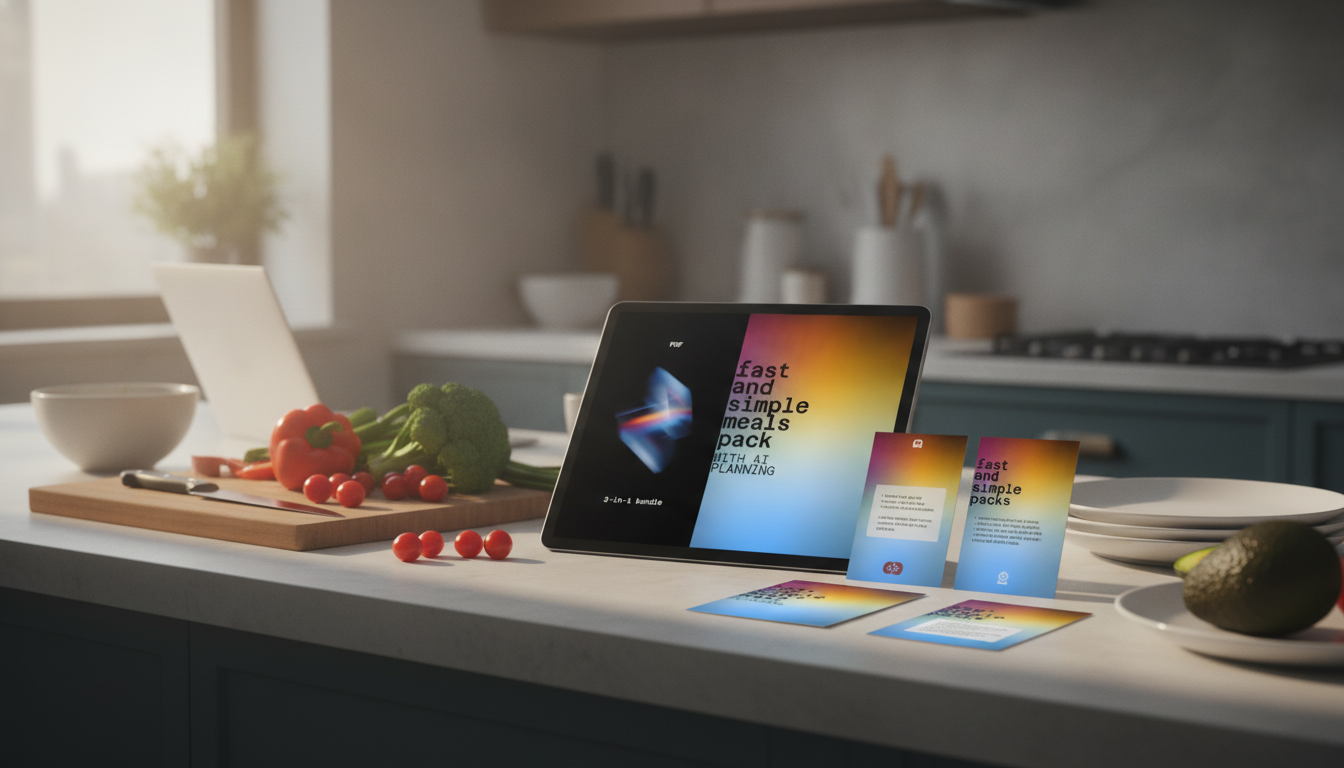
Fast, Simple Weeknight Meals—Without the Constant “What’s for Dinner?” Stress
Busy weeknights don’t have to mean last-minute takeout or repeating the same dinners. A structured meal system paired with AI planning can streamline what to cook, when to shop, and how to keep meals family-friendly—while still leaving room for preferences, leftovers, and schedule changes. The goal isn’t perfection; it’s a repeatable routine that makes dinner feel manageable even when the calendar gets chaotic.
What “AI Planning” Means for Everyday Meals
AI planning for home meals is less about fancy technology and more about turning your ideas into a realistic, week-ready plan. Instead of staring into the fridge at 5:30 p.m., you get a short list of clear options that fit your time, budget, and household needs.
- Turns a list of meal ideas into a workable weekly plan based on time, servings, and constraints.
- Balances variety with simplicity by reusing ingredients across multiple meals.
- Builds a consolidated grocery list that reduces duplicate purchases.
- Adapts quickly when plans change (late meetings, kid activities, unexpected guests).
- Helps reduce decision fatigue by giving clear options for each day.
For nutrition basics and balanced plates, a helpful reference is Harvard’s Nutrition Source, which can guide smarter swaps without complicating your routine.
What’s Inside a Fast, Family-Friendly Meal System
A meal system isn’t just “a bunch of recipes.” It’s a set of repeatable building blocks that work together: simple methods, reliable flavors, and a plan for leftovers so you don’t cook from scratch every night.
- Quick recipe set designed for minimal steps, fewer dishes, and dependable results.
- Mix-and-match templates (protein + veg + starch) for flexible dinners.
- Lunch and leftover strategies to prevent food waste and repeat prep.
- Kid-friendly adjustments (sauces on the side, mild spice baseline, customizable toppings).
- Routine-based planning: weeknight staples, one “flex night,” and one batch-cook option.
If you want a done-for-you structure that pairs these ideas with an AI-friendly workflow, Fast and Simple Meals Pack with AI Planning | Family-Friendly & Time-Saving Meal Systems with AI is designed to help set up that repeatable rhythm so dinner planning takes minutes—not hours.
A Practical Weekly Rhythm That Sticks
The easiest systems are the ones that respect real life: imperfect schedules, changing appetites, and nights when energy is low. The rhythm below keeps planning light while still giving structure.
- 10–15 minute planning block: select meals, set servings, note schedule constraints.
- One efficient shop: focus on repeat ingredients, pre-cut options, and freezer backups.
- Two short prep moments: wash/chop basics and set aside snack/lunch components.
- One batch-cook element: grains, roasted vegetables, or a sauce for multiple uses.
- Built-in flexibility: one “pantry/freezer” night to absorb surprises.
Example weekly flow for faster dinners
| Day | Meal approach | Time saver | Leftover use |
|---|---|---|---|
| Monday | Sheet-pan dinner | One tray + minimal cleanup | Extra protein for Tuesday |
| Tuesday | Taco/Wrap night | Set out toppings buffet-style | Leftover veg for Thursday |
| Wednesday | Stir-fry or skillet bowl | Cook once, mix sauces later | Lunch bowls for Thursday |
| Thursday | Pasta + salad | Use pre-washed greens | Packable lunch portions |
| Friday | Freezer/pantry night | Use backups; no extra shopping | Clears odds and ends |
| Weekend | Batch element + family favorite | Prep grains/sauce for week | Start Monday ahead |
Time-Saving Tactics That Keep Meals Family-Friendly
Speed matters, but so does making meals work for different ages, appetites, and preferences. These tactics save time while keeping the table calm.
For budget-friendly planning principles that still support balanced meals, USDA MyPlate’s guide to healthy eating on a budget is a practical resource.
How to Use AI Planning Without Losing Control of the Menu
To keep your planning and household systems in one digital workflow, AI for Small Business Toolkit – 5-in-1 Digital Download Bundle can pair well with meal planning if you already rely on notes, checklists, and automation to reduce daily admin.
Who This Works Best For (and When It Might Not)
Also, don’t overlook food safety when prepping ahead. The CDC’s food safety basics are a quick refresher on cleaning, separating, cooking, and chilling—especially helpful if you batch-cook proteins or pack lunches.
Fast and Simple Meals Pack with AI Planning: What to Expect
When you’re ready to set up a streamlined routine, start with Fast and Simple Meals Pack with AI Planning | Family-Friendly & Time-Saving Meal Systems with AI and build your first week around simple anchors (sheet-pan, tacos/wraps, pasta) plus one flexible freezer night.
FAQ
How many nights a week should be planned to keep it realistic?
Plan 4–5 dinners and leave 1–2 nights open for leftovers, freezer meals, or schedule surprises. Most families find a full seven-night plan breaks down once activities, fatigue, or last-minute changes hit.
Can this approach work for picky eaters?
Yes—serve meals in components, keep sauces on the side, and season the base mildly while offering add-ons (spice, extra sauce, crunchy toppings). Rotate a small set of proven favorites and introduce only one new meal per week to keep things stable.
What are the best pantry and freezer staples for quick family dinners?
Pantry staples like pasta, rice, canned beans, canned tomatoes, tortillas, broth, and a few sauces or spice blends make quick swaps easy. In the freezer, keep vegetables, frozen meatballs, and a backup protein so you can still cook a solid dinner without an extra shopping trip.
Recommended for you


“Add a Little More Color” Meaning (Plus Examples)
Jun 26, 2026













Leave a comment