-
Shop
- Advanced Technologies
- AI Skills
- Bathroom
- Best-Sellers
- Car Accessories
- Confidence
- Dating & Social Skills
- Digital Resources
- AI & Technology
- Beauty
- Budgeting & Saving
- Car Buying & Ownership
- Cozy Feast Collection
- Electronics & Technology
- Entrepreneurship & Business Growth
- Financial Education
- Financial Independence
- Financial Mindset & Psychology
- Goal Setting
- Home Styling & Organization
- Kitchen & Recipes
- Leadership
- Mindfulness
- Mindset
- Online Business
- Parenting & Child Development
- Personal Style & Fashion
- Pet Lifestyle & Wellness
- Positive Thinking
- Sleep Improvement
- Smart Life with AI
- Stress Management & Relaxation
- Travel Planning
- Wellness
- Yoga & Fitness
- Yoga & Mind-Body Practices
- Education & Learning
- Family & Parenting
- Fashion
- Accessories
- Alexander McQueen
- Bags
- Bags & Wallets
- Balenciaga
- Belts
- Blazers
- Bottega Veneta
- Bottoms
- Brunello Cucinelli
- Burberry
- Chanel
- Chloé
- Dior
- Dolce & Gabbana
- Dresses
- Etro
- Fendi
- Gucci
- Hats & Hair Accessories
- Hoodies & Sweatshirts
- Jacquemus
- Jewelry
- Jil Sander
- Kiton
- Luggage
- Miu Miu
- Off-White
- Outerwear
- Prada
- Rick Owens
- Saint Laurent
- Shoes
- Socks & Tights
- Sweaters & Cardigans
- The Row
- Tom Ford
- Tops & Shirts
- Valentino
- Valentino Garavani
- Versace
- Vivienne Westwood
- Watches
- Fashion Accessories
- Furniture
- Gadgets
- Health & Beauty
- Health & Wellness
- Home & Garden
- Home Decor
- Home Electronics
- Home Supplies
- Kids & Babies
- Kitchen
- Kitchen Best-Sellers
- Lighting
- Patio, Lawn & Garden
- Personal Growth
- Pet Care
- Pet Supplies
- Pets
- Sport & Outdoors
- Super Deals
- Travel
- Travel & Adventure
- Wealth
- Popular
- Best deals
Beginner YouTube Content Ideas: Simple Videos to Start
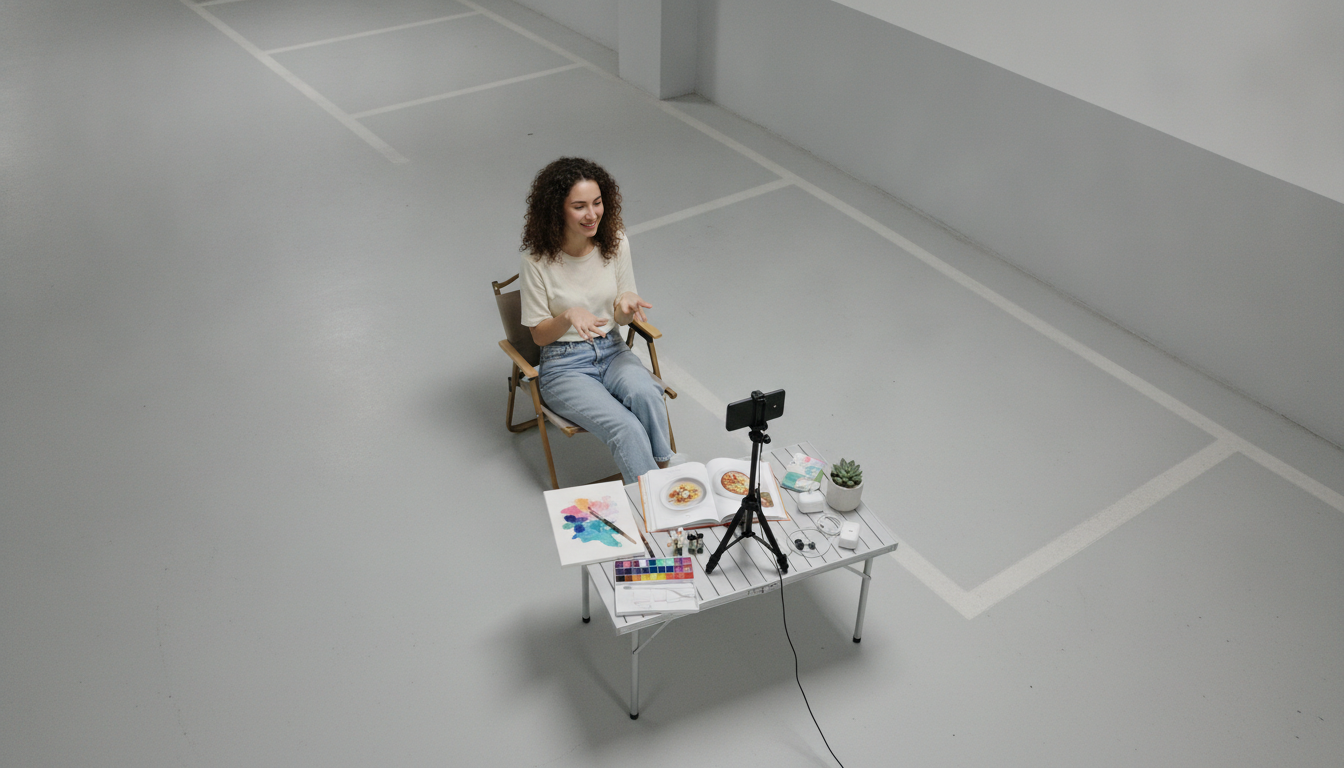
What content should I make on YouTube for beginners?
Beginners do best with content that’s simple to produce, easy for viewers to understand, and repeatable week to week. Start by choosing a lane you can talk about comfortably for months—like basic cooking, budget fitness, beginner tech tips, gaming guides, crafts, study routines, or personal finance basics. Then pick formats that don’t require fancy gear: short tutorials, “how I do it” walk-throughs, beginner-friendly reviews, or quick problem/solution videos.
Best YouTube content ideas that are beginner-friendly
1) Step-by-step tutorials
Teach one small skill per video. Use a clear title, show the final result early, and keep steps short. Examples: “How to edit a video on your phone,” “How to make overnight oats,” or “How to organize a small closet.”
2) Beginner reviews and comparisons
Review items you already own or inexpensive tools people often shop for. Focus on who it’s for, what it does well, and what to avoid. Simple side-by-side comparisons work great because they help viewers make a decision fast.
3) “Mistakes to avoid” and troubleshooting
New creators can stand out by solving common frustrations. Make videos like “3 mistakes new runners make” or “Why your Wi‑Fi is slow and how to fix it.” These are easy to script and highly practical.
4) Challenge and progress videos
Document learning something over time: “30 days of drawing,” “Learning keyboard from zero,” or “Meal prep for a week on $40.” Viewers enjoy seeing real progress, and it gives you built-in series ideas.
How to pick your first topic (without overthinking)
Choose something you can demonstrate, explain, or test on camera right now. Make a list of 10 questions beginners ask in that area, then turn each question into one video. Aim for consistency over perfection, and refine your style as you upload.
For more beginner-focused examples and guidance, visit https://bestsellis.com/what-content-should-i-make-on-youtube-for-beginners/.
FAQ
How often should a beginner post on YouTube?
Start with a schedule you can sustain, like once a week or every other week. Consistency matters more than frequency, especially while you’re learning filming and editing.
Recommended for you


Fitness Diet Foods: Protein, Carbs, Fats & Hydration
Jul 11, 2026













Leave a comment