-
Shop
- Advanced Technologies
- AI Skills
- Bathroom
- Best-Sellers
- Car Accessories
- Confidence
- Dating & Social Skills
- Digital Resources
- AI & Technology
- Beauty
- Budgeting & Saving
- Car Buying & Ownership
- Cozy Feast Collection
- Electronics & Technology
- Entrepreneurship & Business Growth
- Financial Education
- Financial Independence
- Financial Mindset & Psychology
- Goal Setting
- Home Styling & Organization
- Kitchen & Recipes
- Leadership
- Mindfulness
- Mindset
- Online Business
- Parenting & Child Development
- Personal Style & Fashion
- Pet Lifestyle & Wellness
- Positive Thinking
- Sleep Improvement
- Smart Life with AI
- Stress Management & Relaxation
- Travel Planning
- Wellness
- Yoga & Fitness
- Yoga & Mind-Body Practices
- Education & Learning
- Family & Parenting
- Fashion
- Accessories
- Alexander McQueen
- Bags
- Bags & Wallets
- Balenciaga
- Belts
- Blazers
- Bottega Veneta
- Bottoms
- Brunello Cucinelli
- Burberry
- Chanel
- Chloé
- Dior
- Dolce & Gabbana
- Dresses
- Etro
- Fendi
- Gucci
- Hats & Hair Accessories
- Hoodies & Sweatshirts
- Jacquemus
- Jewelry
- Jil Sander
- Kiton
- Luggage
- Miu Miu
- Off-White
- Outerwear
- Prada
- Rick Owens
- Saint Laurent
- Shoes
- Socks & Tights
- Sweaters & Cardigans
- The Row
- Tom Ford
- Tops & Shirts
- Valentino
- Valentino Garavani
- Versace
- Vivienne Westwood
- Watches
- Fashion Accessories
- Furniture
- Gadgets
- Health & Beauty
- Health & Wellness
- Home & Garden
- Home Decor
- Home Electronics
- Home Supplies
- Kids & Babies
- Kitchen
- Kitchen Best-Sellers
- Lighting
- Patio, Lawn & Garden
- Personal Growth
- Pet Care
- Pet Supplies
- Pets
- Sport & Outdoors
- Super Deals
- Travel
- Travel & Adventure
- Wealth
- Popular
- Best deals
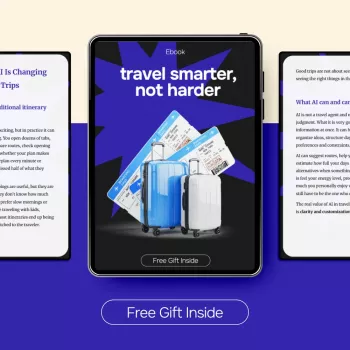
Using AI to Plan a Trip: Itineraries, Tips, and Safety

Can I use AI to plan a trip?
Yes—AI can help plan a trip from start to finish, especially when you want to compare options quickly, build a realistic itinerary, and keep logistics organized. It can suggest destinations based on your interests, map out day-by-day routes, estimate travel times, and surface ideas for restaurants, tours, and neighborhoods that match your style and budget.
What AI is best at for trip planning
AI tools shine when you provide clear inputs like travel dates, departure airport, budget range, preferred pace (packed vs. relaxed), and must-see activities. With that, AI can propose itinerary frameworks, optimize the order of stops to reduce backtracking, and create checklists for packing, documents, and reservations. It’s also useful for drafting messages to hotels, translating basic phrases, and summarizing local customs or tipping norms.
Where AI still needs human judgment
AI recommendations can be outdated or overly generic if the source data isn’t current. Always verify opening hours, entry requirements, and transportation details on official websites—especially for visas, park permits, seasonal closures, and events. Price-sensitive items like flights and hotels also change fast, so treat AI as a planning assistant rather than a booking authority.
How to get better results
Start with constraints, not inspiration: dates, travelers, mobility needs, dietary preferences, and a daily spending cap. Then ask for two or three itinerary styles (e.g., “food-focused,” “family-friendly,” “museums + neighborhoods”) and choose the one that feels right. Finally, request a condensed version you can paste into a calendar, plus a backup plan for bad weather.
For a deeper breakdown of tools, practical tips, and ways to double-check details, visit the full guide here: https://bestsellis.com/can-i-use-ai-to-plan-a-trip/.
FAQ
Is it safe to share personal details with AI travel planners?
Share only what’s necessary, avoid passport numbers and full payment details, and review the privacy policy of any app you use. When possible, use generalized info (month instead of exact dates) until you’re ready to book through official providers.
Recommended for you


Best Diet for Fitness: Simple Macros & Meal Timing
Jul 11, 2026













Leave a comment