-
Shop
- Advanced Technologies
- AI Skills
- Bathroom
- Best-Sellers
- Car Accessories
- Confidence
- Dating & Social Skills
- Digital Resources
- AI & Technology
- Beauty
- Budgeting & Saving
- Car Buying & Ownership
- Cozy Feast Collection
- Electronics & Technology
- Entrepreneurship & Business Growth
- Financial Education
- Financial Independence
- Financial Mindset & Psychology
- Goal Setting
- Home Styling & Organization
- Kitchen & Recipes
- Leadership
- Mindfulness
- Mindset
- Online Business
- Parenting & Child Development
- Personal Style & Fashion
- Pet Lifestyle & Wellness
- Positive Thinking
- Sleep Improvement
- Smart Life with AI
- Stress Management & Relaxation
- Travel Planning
- Wellness
- Yoga & Fitness
- Yoga & Mind-Body Practices
- Education & Learning
- Family & Parenting
- Fashion
- Accessories
- Alexander McQueen
- Bags
- Bags & Wallets
- Balenciaga
- Belts
- Blazers
- Bottega Veneta
- Bottoms
- Brunello Cucinelli
- Burberry
- Chanel
- Chloé
- Dior
- Dolce & Gabbana
- Dresses
- Etro
- Fendi
- Gucci
- Hats & Hair Accessories
- Hoodies & Sweatshirts
- Jacquemus
- Jewelry
- Jil Sander
- Kiton
- Luggage
- Miu Miu
- Off-White
- Outerwear
- Prada
- Rick Owens
- Saint Laurent
- Shoes
- Socks & Tights
- Sweaters & Cardigans
- The Row
- Tom Ford
- Tops & Shirts
- Valentino
- Valentino Garavani
- Versace
- Vivienne Westwood
- Watches
- Fashion Accessories
- Furniture
- Gadgets
- Health & Beauty
- Health & Wellness
- Home & Garden
- Home Decor
- Home Electronics
- Home Supplies
- Kids & Babies
- Kitchen
- Kitchen Best-Sellers
- Lighting
- Patio, Lawn & Garden
- Personal Growth
- Pet Care
- Pet Supplies
- Pets
- Sport & Outdoors
- Super Deals
- Travel
- Travel & Adventure
- Wealth
- Popular
- Best deals
Totally Free Meditation Apps: What’s Actually Free?
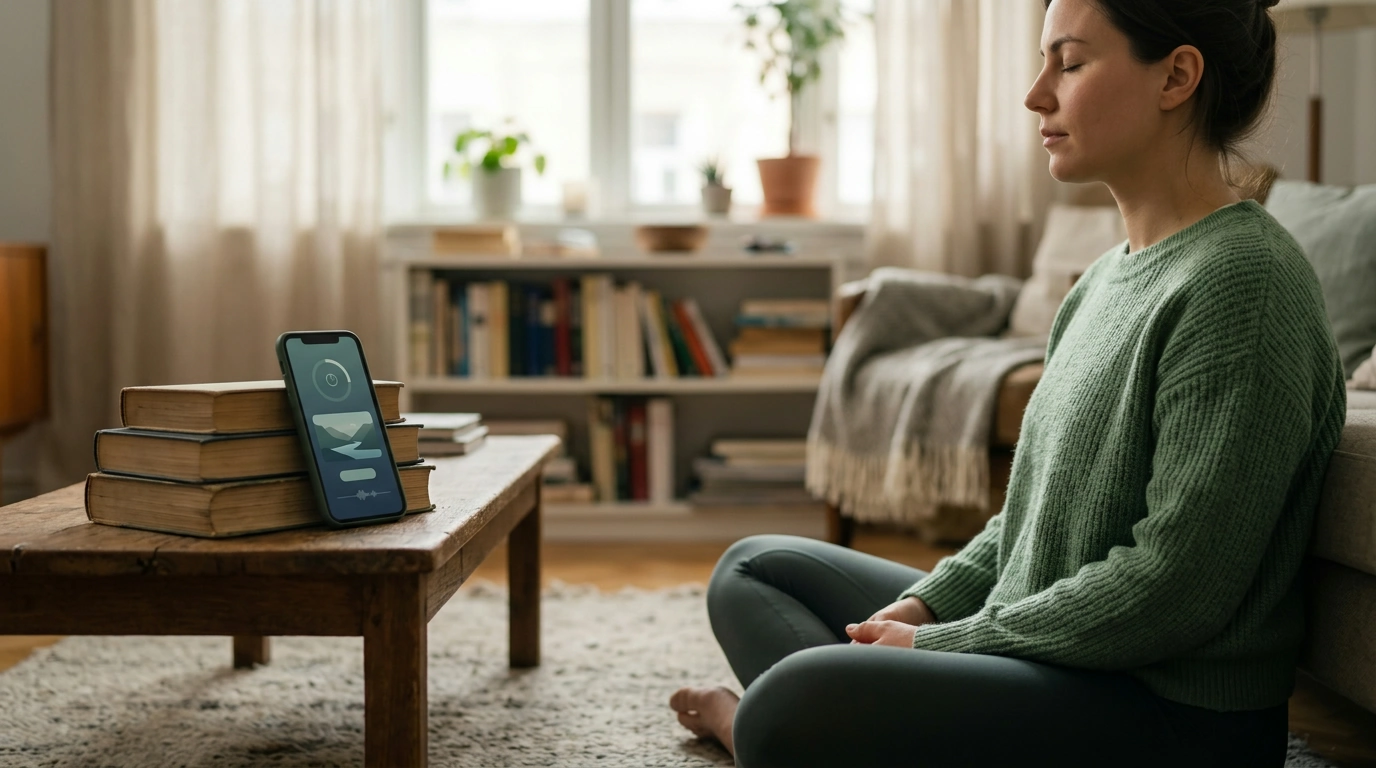
Is there a totally free meditation app?
Yes—there are meditation apps you can use without paying, but “totally free” usually means one of two things: (1) a genuinely free app funded by donations or a nonprofit model, or (2) a freemium app that offers a limited library at no cost and reserves the full catalog for subscribers. If your goal is daily practice without surprise paywalls, it helps to know what “free” includes before you build a routine around it.
What “totally free” usually includes
A truly free meditation app may provide a core set of guided sessions, a timer, and basic progress tracking with no subscription required. You’ll typically see fewer celebrity teachers, fewer specialty programs, and less personalization than paid platforms. That tradeoff can be worth it if you want a simple, consistent habit.
How to spot hidden costs fast
Our team suggests checking three things before you commit: whether the app locks sessions after a trial, whether offline downloads require payment, and whether beginner courses are free but follow-up programs are not. If the app forces account creation immediately or pushes an annual plan during setup, it’s often a freemium model rather than totally free.
Ways to meditate for free (even without an app)
You can also build a free practice by using a basic timer on your phone and following a simple structure: breathe for 2 minutes, scan your body for 3 minutes, then rest attention on sounds for 5 minutes. If you prefer guidance, free audio tracks from public channels or library apps can fill the role of “guided meditation” without ongoing costs.
When free isn’t enough: faster, more personal guidance
If you want sessions that adapt to your mood, schedule, or specific goals (sleep, anxiety, focus, confidence), AI-guided options can feel more tailored than a fixed free library. We put together a practical guide to generating personalized scripts and using AI to guide meditations quickly—visit our AI-guided meditation scripts guide to get a flexible approach you can reuse anytime.
FAQ
What is a good 10-minute meditation routine for beginners?
Start with 2 minutes of slow breathing, 3 minutes of body scan from head to toe, and 5 minutes of gently returning attention to your breath when your mind wanders. Keep your posture comfortable and prioritize consistency over “perfect” focus.
Recommended for you


What to Say in a Guided Meditation: Simple Prompts
Oct 17, 2026













Leave a comment