-
Shop
- Advanced Technologies
- AI Skills
- Bathroom
- Best-Sellers
- Car Accessories
- Confidence
- Dating & Social Skills
- Digital Resources
- AI & Technology
- Beauty
- Budgeting & Saving
- Car Buying & Ownership
- Cozy Feast Collection
- Electronics & Technology
- Entrepreneurship & Business Growth
- Financial Education
- Financial Independence
- Financial Mindset & Psychology
- Goal Setting
- Home Styling & Organization
- Kitchen & Recipes
- Leadership
- Mindfulness
- Mindset
- Online Business
- Parenting & Child Development
- Personal Style & Fashion
- Pet Lifestyle & Wellness
- Positive Thinking
- Sleep Improvement
- Smart Life with AI
- Stress Management & Relaxation
- Travel Planning
- Wellness
- Yoga & Fitness
- Yoga & Mind-Body Practices
- Education & Learning
- Family & Parenting
- Fashion
- Accessories
- Alexander McQueen
- Bags
- Bags & Wallets
- Balenciaga
- Belts
- Blazers
- Bottega Veneta
- Bottoms
- Brunello Cucinelli
- Burberry
- Chanel
- Chloé
- Dior
- Dolce & Gabbana
- Dresses
- Etro
- Fendi
- Gucci
- Hats & Hair Accessories
- Hoodies & Sweatshirts
- Jacquemus
- Jewelry
- Jil Sander
- Kiton
- Luggage
- Miu Miu
- Off-White
- Outerwear
- Prada
- Rick Owens
- Saint Laurent
- Shoes
- Socks & Tights
- Sweaters & Cardigans
- The Row
- Tom Ford
- Tops & Shirts
- Valentino
- Valentino Garavani
- Versace
- Vivienne Westwood
- Watches
- Fashion Accessories
- Furniture
- Gadgets
- Health & Beauty
- Health & Wellness
- Home & Garden
- Home Decor
- Home Electronics
- Home Supplies
- Kids & Babies
- Kitchen
- Kitchen Best-Sellers
- Lighting
- Patio, Lawn & Garden
- Personal Growth
- Pet Care
- Pet Supplies
- Pets
- Sport & Outdoors
- Super Deals
- Travel
- Travel & Adventure
- Wealth
- Popular
- Best deals
Outdoor Wrought Iron Flower Wall Art: Rust Protection
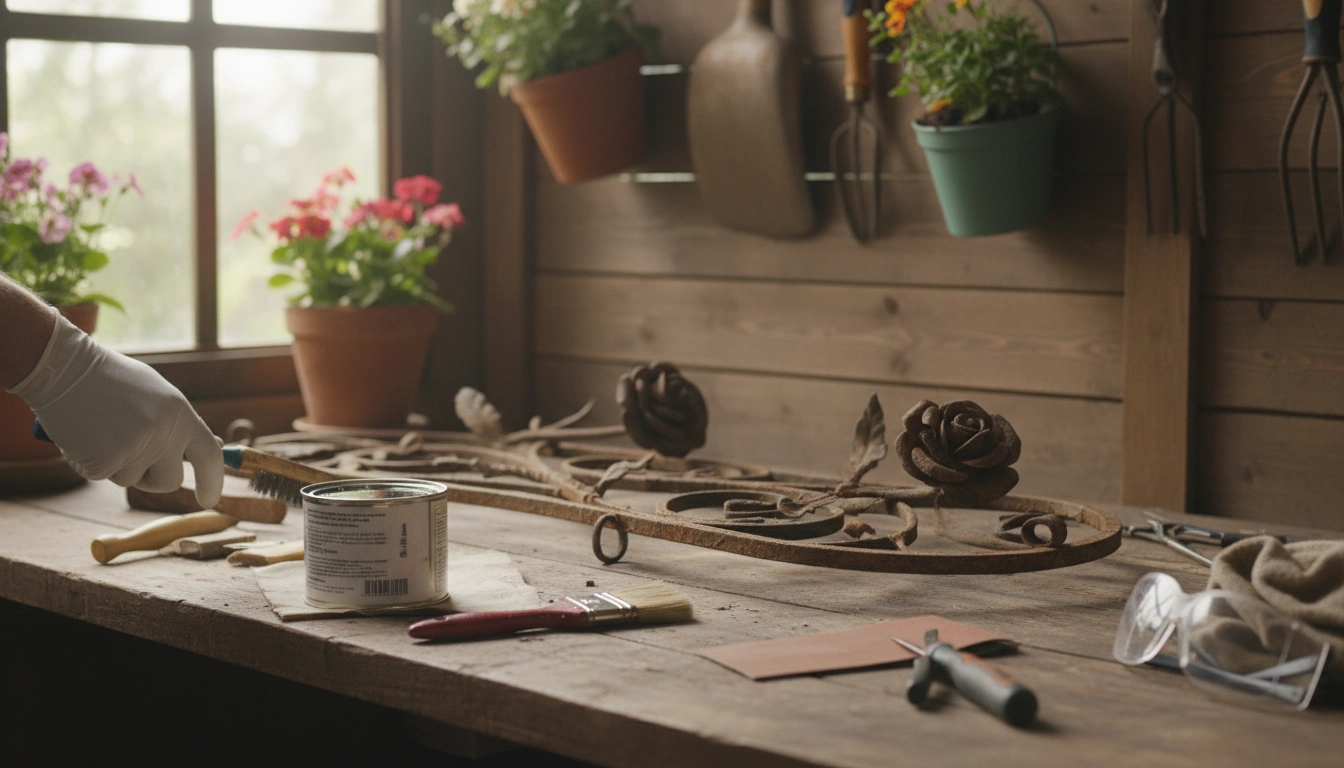
Is European antique wrought iron flower wall art suitable for outdoor use, and how do you protect it from rust?
Yes—European antique-style wrought iron flower wall art can work outdoors, but it needs the same care as any iron piece exposed to rain, humidity, sprinklers, and salty air. Wrought iron is strong and weather-tolerant, yet it will oxidize when moisture and oxygen reach bare metal or a compromised finish. The good news is that rust protection is straightforward, and a little maintenance goes a long way.
What makes wrought iron rust outdoors?
Rust typically starts where the finish is thinnest: welds, edges, raised floral details, and any small chips from handling or mounting. Outdoor placement accelerates corrosion in coastal areas, near pools, or on walls that stay damp after storms.
How to protect it from rust (step-by-step)
1) Start with a clean, dry surface. Wipe off dust and grime, then let the piece fully dry. If it’s already outdoors, bring it into a garage or covered area for prep.
2) Address any existing rust. Light surface rust can be removed with a nylon brush or fine steel wool. For heavier rust, use a wire brush and spot-sand until you reach stable metal/finish. Remove residue with a tack cloth or damp rag and dry completely.
3) Seal it. Apply a rust-inhibiting metal primer on bare spots, then an outdoor-rated enamel or metal paint. If you want to keep the antique patina visible, use a clear exterior metal sealer (look for UV resistance) instead of paint.
4) Re-check the mounting. Use corrosion-resistant screws/anchors and add small spacers to keep the art slightly off the wall so water can drain and air can circulate.
Maintenance schedule
Inspect every season for chips, orange bloom, or bubbling. Touch up quickly, and reapply clear sealer about once a year (more often in harsh climates). For more styling and material notes, see the full guide: European antique wrought iron floral wall art guide.
FAQ
How do you hang wrought iron wall art securely on brick or stone?
Use masonry anchors or sleeve anchors rated for the piece’s weight, drill with a masonry bit, and keep the art slightly off the surface with spacers to reduce trapped moisture.
Recommended for you

Room-by-Room Lumens Guide for Balanced Home Lighting
Aug 11, 2026











Leave a comment