-
Shop
- Advanced Technologies
- AI Skills
- Bathroom
- Best-Sellers
- Car Accessories
- Confidence
- Dating & Social Skills
- Digital Resources
- AI & Technology
- Beauty
- Budgeting & Saving
- Car Buying & Ownership
- Cozy Feast Collection
- Electronics & Technology
- Entrepreneurship & Business Growth
- Financial Education
- Financial Independence
- Financial Mindset & Psychology
- Goal Setting
- Home Styling & Organization
- Kitchen & Recipes
- Leadership
- Mindfulness
- Mindset
- Online Business
- Parenting & Child Development
- Personal Style & Fashion
- Pet Lifestyle & Wellness
- Positive Thinking
- Sleep Improvement
- Smart Life with AI
- Stress Management & Relaxation
- Travel Planning
- Wellness
- Yoga & Fitness
- Yoga & Mind-Body Practices
- Education & Learning
- Family & Parenting
- Fashion
- Accessories
- Alexander McQueen
- Bags
- Bags & Wallets
- Balenciaga
- Belts
- Blazers
- Bottega Veneta
- Bottoms
- Brunello Cucinelli
- Burberry
- Chanel
- Chloé
- Dior
- Dolce & Gabbana
- Dresses
- Etro
- Fendi
- Gucci
- Hats & Hair Accessories
- Hoodies & Sweatshirts
- Jacquemus
- Jewelry
- Jil Sander
- Kiton
- Luggage
- Miu Miu
- Off-White
- Outerwear
- Prada
- Rick Owens
- Saint Laurent
- Shoes
- Socks & Tights
- Sweaters & Cardigans
- The Row
- Tom Ford
- Tops & Shirts
- Valentino
- Valentino Garavani
- Versace
- Vivienne Westwood
- Watches
- Fashion Accessories
- Furniture
- Gadgets
- Health & Beauty
- Health & Wellness
- Home & Garden
- Home Decor
- Home Electronics
- Home Supplies
- Kids & Babies
- Kitchen
- Kitchen Best-Sellers
- Lighting
- Patio, Lawn & Garden
- Personal Growth
- Pet Care
- Pet Supplies
- Pets
- Sport & Outdoors
- Super Deals
- Travel
- Travel & Adventure
- Wealth
- Popular
- Best deals
PVC vs Hypalon: 4 Easy Checks for Inflatables
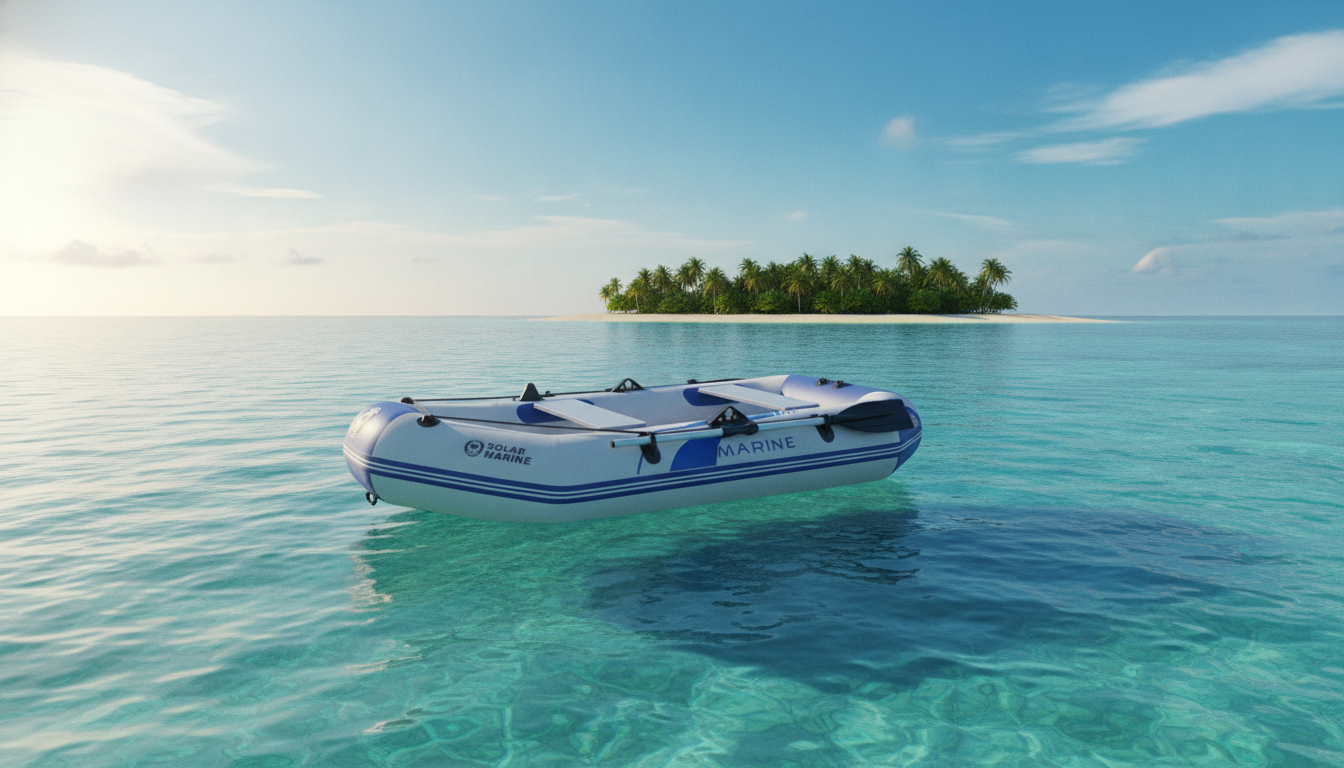
How to tell if inflatable is PVC or Hypalon?
Knowing whether an inflatable is made from PVC or Hypalon matters for durability, repair methods, and long-term value. While the most reliable answer comes from the manufacturer’s specs, a few hands-on checks can usually point you in the right direction.
Quick ways to identify PVC vs. Hypalon
1) Check the label, model info, or paperwork
Start with any hull plate, tag, manual, or invoice. Many boats and inflatable products list the fabric type directly (PVC, Hypalon/CSM, or “CSM”). If you can locate a model number, it’s often easy to confirm the material through product listings.
2) Look at the surface finish and “hand feel”
PVC typically has a smoother, shinier look and can feel more “plastic-like.” Hypalon commonly has a more matte finish and a slightly rubbery, grippy feel. Neither test is perfect, but the difference is often noticeable when you compare two inflatables side by side.
3) Inspect seams and construction
Many PVC inflatables use heat-welded seams because PVC can be thermally welded. Hypalon is usually glued (chemically bonded), and you may see neat glue lines or seam tape patterns. Welded seams often look very uniform with minimal adhesive residue.
4) Consider age, storage history, and typical wear
PVC is more sensitive to heat and UV over time, especially if stored outdoors; it may show hardening or surface cracking sooner. Hypalon generally handles sun and temperature swings better and is common on higher-end inflatables built for long service life.
For more detailed, step-by-step checks (including what to do if you’re still unsure), see the full guide here: https://bestsellis.com/how-to-tell-if-inflatable-is-pvc-or-hypalon/.
For PVC vs Hypalon: 4 Easy Checks for Inflatables, the best answer depends on fit, material, care instructions, and how the product will be used day to day.
FAQ
Is Hypalon better than PVC for inflatables?
Hypalon (CSM) is typically more resistant to UV, weather, and abrasion, which can mean a longer lifespan in harsh conditions. PVC is often lighter and more affordable, and it performs well when cared for and stored properly.
Recommended for you
Safe Internet Habits: 7 Simple Ways to Stay Secure
Jul 25, 2026












Leave a comment