-
Shop
- Advanced Technologies
- AI Skills
- Bathroom
- Best-Sellers
- Car Accessories
- Confidence
- Dating & Social Skills
- Digital Resources
- AI & Technology
- Beauty
- Budgeting & Saving
- Car Buying & Ownership
- Cozy Feast Collection
- Electronics & Technology
- Entrepreneurship & Business Growth
- Financial Education
- Financial Independence
- Financial Mindset & Psychology
- Goal Setting
- Home Styling & Organization
- Kitchen & Recipes
- Leadership
- Mindfulness
- Mindset
- Online Business
- Parenting & Child Development
- Personal Style & Fashion
- Pet Lifestyle & Wellness
- Positive Thinking
- Sleep Improvement
- Smart Life with AI
- Stress Management & Relaxation
- Travel Planning
- Wellness
- Yoga & Fitness
- Yoga & Mind-Body Practices
- Education & Learning
- Family & Parenting
- Fashion
- Accessories
- Alexander McQueen
- Bags
- Bags & Wallets
- Balenciaga
- Belts
- Blazers
- Bottega Veneta
- Bottoms
- Brunello Cucinelli
- Burberry
- Chanel
- Chloé
- Dior
- Dolce & Gabbana
- Dresses
- Etro
- Fendi
- Gucci
- Hats & Hair Accessories
- Hoodies & Sweatshirts
- Jacquemus
- Jewelry
- Jil Sander
- Kiton
- Luggage
- Miu Miu
- Off-White
- Outerwear
- Prada
- Rick Owens
- Saint Laurent
- Shoes
- Socks & Tights
- Sweaters & Cardigans
- The Row
- Tom Ford
- Tops & Shirts
- Valentino
- Valentino Garavani
- Versace
- Vivienne Westwood
- Watches
- Fashion Accessories
- Furniture
- Gadgets
- Health & Beauty
- Health & Wellness
- Home & Garden
- Home Decor
- Home Electronics
- Home Supplies
- Kids & Babies
- Kitchen
- Kitchen Best-Sellers
- Lighting
- Patio, Lawn & Garden
- Personal Growth
- Pet Care
- Pet Supplies
- Pets
- Sport & Outdoors
- Super Deals
- Travel
- Travel & Adventure
- Wealth
- Popular
- Best deals
Newborn Puppy Care From Birth: Warmth, Feeding, Hygiene
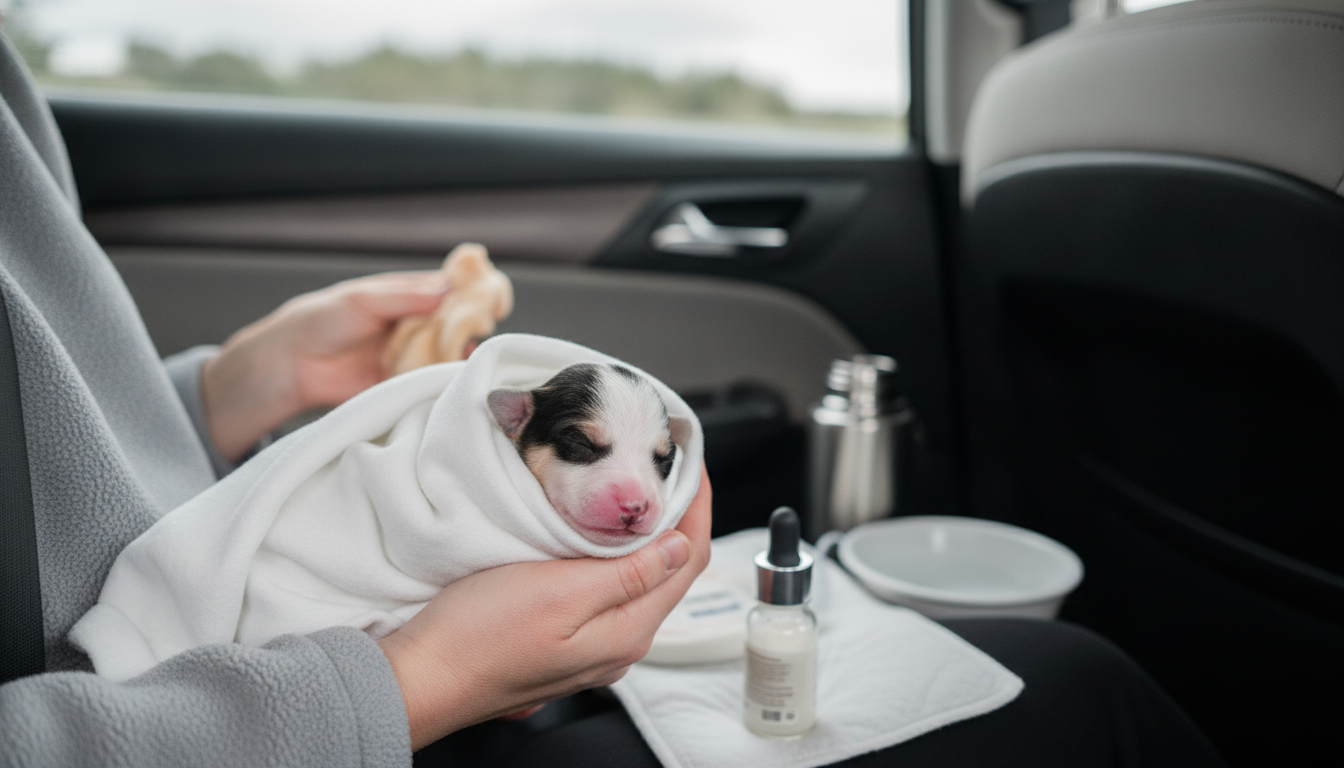
How to take care of puppies from birth
The first two weeks are all about warmth, milk, cleanliness, and quiet monitoring. Newborn puppies can’t regulate body temperature, can’t eliminate on their own without help, and need frequent nursing. Set up a draft-free whelping area with soft, washable bedding and keep the space calm so mom feels safe. If anything seems off—constant crying, weakness, cold bodies, or refusal to nurse—call a veterinarian immediately.
Keep newborn puppies warm and safe
Aim for a warm nesting zone (about 85–90°F during the first week, then slowly decreasing). Provide a heat source that allows puppies to move away if they get too warm. Check their bellies and paws: they should feel comfortably warm, not cool or hot. Keep the whelping box clean and dry; damp bedding chills puppies fast.
Support feeding and weight gain
Healthy newborns nurse often and sleep quietly between feedings. Make sure each puppy can latch and isn’t being pushed away by stronger littermates. Weigh puppies daily at the same time; steady weight gain is one of the best early signs that care is on track. If a puppy can’t nurse well, becomes weak, or isn’t gaining weight, get veterinary guidance right away before attempting supplementation.
Help with elimination and hygiene
Most puppies eliminate after nursing. Mom typically stimulates them by licking; if she isn’t, puppies may need gentle stimulation with a warm, damp cotton ball around the genital area until they urinate/defecate. Keep the area clean to prevent skin irritation, and change bedding frequently to reduce odors and infection risk.
Watch for warning signs
Red flags include persistent crying, separation from the litter, low body temperature, diarrhea, vomiting, labored breathing, or a pup that feels limp. Newborns can decline quickly, so prompt veterinary care matters.
For a practical, step-by-step checklist for new owners, visit this complete puppy care guide.
FAQ
How to take care of 1 day old puppies?
Keep them warm (around 85–90°F), ensure they nurse frequently, and confirm they’re quietly sleeping between feedings. Check for steady weight gain and contact a vet right away if a puppy can’t latch, feels cold, or cries constantly.
How to take care of newborn puppies with mother
Give mom a quiet, clean whelping area with constant access to food and water, and limit visitors or handling. Monitor that each puppy is nursing and being cleaned, and weigh pups daily so you can catch problems early.
Recommended for you



Puppy Care Made Simple: 5-in-1 Bundle for New Owners
Jun 24, 2026













Leave a comment