-
Shop
- Advanced Technologies
- AI Skills
- Bathroom
- Best-Sellers
- Car Accessories
- Confidence
- Dating & Social Skills
- Digital Resources
- AI & Technology
- Beauty
- Budgeting & Saving
- Car Buying & Ownership
- Cozy Feast Collection
- Electronics & Technology
- Entrepreneurship & Business Growth
- Financial Education
- Financial Independence
- Financial Mindset & Psychology
- Goal Setting
- Home Styling & Organization
- Kitchen & Recipes
- Leadership
- Mindfulness
- Mindset
- Online Business
- Parenting & Child Development
- Personal Style & Fashion
- Pet Lifestyle & Wellness
- Positive Thinking
- Sleep Improvement
- Smart Life with AI
- Stress Management & Relaxation
- Travel Planning
- Wellness
- Yoga & Fitness
- Yoga & Mind-Body Practices
- Education & Learning
- Family & Parenting
- Fashion
- Accessories
- Alexander McQueen
- Bags
- Bags & Wallets
- Balenciaga
- Belts
- Blazers
- Bottega Veneta
- Bottoms
- Brunello Cucinelli
- Burberry
- Chanel
- Chloé
- Dior
- Dolce & Gabbana
- Dresses
- Etro
- Fendi
- Gucci
- Hats & Hair Accessories
- Hoodies & Sweatshirts
- Jacquemus
- Jewelry
- Jil Sander
- Kiton
- Luggage
- Miu Miu
- Off-White
- Outerwear
- Prada
- Rick Owens
- Saint Laurent
- Shoes
- Socks & Tights
- Sweaters & Cardigans
- The Row
- Tom Ford
- Tops & Shirts
- Valentino
- Valentino Garavani
- Versace
- Vivienne Westwood
- Watches
- Fashion Accessories
- Furniture
- Gadgets
- Health & Beauty
- Health & Wellness
- Home & Garden
- Home Decor
- Home Electronics
- Home Supplies
- Kids & Babies
- Kitchen
- Kitchen Best-Sellers
- Lighting
- Patio, Lawn & Garden
- Personal Growth
- Pet Care
- Pet Supplies
- Pets
- Sport & Outdoors
- Super Deals
- Travel
- Travel & Adventure
- Wealth
- Popular
- Best deals
Overcome Anxiety: 5 Steps to Feel Calm and Confident

How to Overcome Anxiety and Be Calm and Confident?
Anxiety can feel like a sudden alarm—racing thoughts, tight chest, and a constant sense that something might go wrong. Getting calm and confident isn’t about forcing yourself to “stop worrying.” It’s about giving your body and mind clear signals of safety, then taking small actions that prove you can handle what’s next.
Answer
1) Start by calming your nervous system (fast)
Use a simple reset: inhale through your nose for 4 seconds, exhale slowly for 6–8 seconds, and repeat for 2 minutes. Longer exhales help dial down the stress response. While you do it, relax your jaw and drop your shoulders—tiny physical cues that reduce tension quickly.
2) Name what’s happening to shrink it
Say to yourself: “This is anxiety, not danger.” Labeling the feeling creates distance from it and reduces the urge to spiral. If your thoughts are loud, write down the top three worries and one practical next step for each (even if it’s small).
3) Turn uncertainty into a short plan
Anxiety thrives on the unknown, so give your brain a map. Pick one upcoming situation that’s triggering you and plan: what you’ll do first, what you’ll say, and what you’ll do if things feel awkward. A 5-minute plan can replace hours of rumination.
4) Build confidence with “micro-wins”
Confidence usually follows action. Choose one doable exposure: make the call, show up for 10 minutes, ask one question, or practice once. Afterward, note what went better than expected. These small proofs compound into calm competence.
5) Use a steady routine when emotions run high
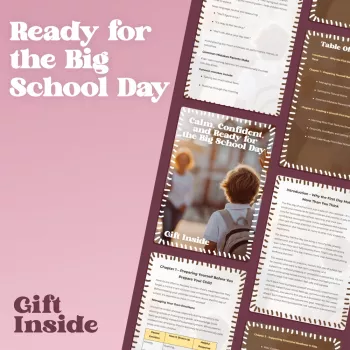
Basics matter: consistent sleep, protein and water early in the day, and a short walk can noticeably reduce anxious intensity. If anxiety is tied to a new routine (like a big first day or a transition), a structured, day-by-day approach can make calm feel more automatic. For a practical example, see this 7-day calm plan.
FAQ
Why do I feel anxious for no reason?
Anxiety can be triggered by stress buildup, lack of sleep, caffeine, or subconscious worries your brain hasn’t sorted yet. Start by checking basics (sleep, food, stimulants) and then identify one concrete concern you can address with a small next step.
Recommended for you


VetriScience Calm & Confident: How Fast It Works
Jul 4, 2026
Calm and Confident at Work: Quick Resets & Prep
Jul 4, 2026













Leave a comment