-
Shop
- Advanced Technologies
- AI Skills
- Bathroom
- Best-Sellers
- Car Accessories
- Confidence
- Dating & Social Skills
- Digital Resources
- AI & Technology
- Beauty
- Budgeting & Saving
- Car Buying & Ownership
- Cozy Feast Collection
- Electronics & Technology
- Entrepreneurship & Business Growth
- Financial Education
- Financial Independence
- Financial Mindset & Psychology
- Goal Setting
- Home Styling & Organization
- Kitchen & Recipes
- Leadership
- Mindfulness
- Mindset
- Online Business
- Parenting & Child Development
- Personal Style & Fashion
- Pet Lifestyle & Wellness
- Positive Thinking
- Sleep Improvement
- Smart Life with AI
- Stress Management & Relaxation
- Travel Planning
- Wellness
- Yoga & Fitness
- Yoga & Mind-Body Practices
- Education & Learning
- Family & Parenting
- Fashion
- Accessories
- Alexander McQueen
- Bags
- Bags & Wallets
- Balenciaga
- Belts
- Blazers
- Bottega Veneta
- Bottoms
- Brunello Cucinelli
- Burberry
- Chanel
- Chloé
- Dior
- Dolce & Gabbana
- Dresses
- Etro
- Fendi
- Gucci
- Hats & Hair Accessories
- Hoodies & Sweatshirts
- Jacquemus
- Jewelry
- Jil Sander
- Kiton
- Luggage
- Miu Miu
- Off-White
- Outerwear
- Prada
- Rick Owens
- Saint Laurent
- Shoes
- Socks & Tights
- Sweaters & Cardigans
- The Row
- Tom Ford
- Tops & Shirts
- Valentino
- Valentino Garavani
- Versace
- Vivienne Westwood
- Watches
- Fashion Accessories
- Furniture
- Gadgets
- Health & Beauty
- Health & Wellness
- Home & Garden
- Home Decor
- Home Electronics
- Home Supplies
- Kids & Babies
- Kitchen
- Kitchen Best-Sellers
- Lighting
- Patio, Lawn & Garden
- Personal Growth
- Pet Care
- Pet Supplies
- Pets
- Sport & Outdoors
- Super Deals
- Travel
- Travel & Adventure
- Wealth
- Popular
- Best deals
Lift Your Spirits Fast: 5 Quick Mood Boosts
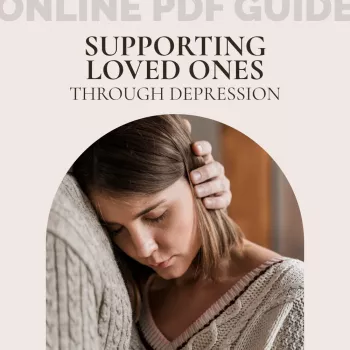
How to lift your spirits quickly?
When your mood drops, the fastest lift usually comes from doing something that changes your body state, your environment, or your focus—right away. You don’t have to “fix everything” in the moment. Aim for a small shift that’s realistic in the next 2–10 minutes.
Try a fast body reset (2 minutes)
Stand up, roll your shoulders back, and take 6 slow breaths: inhale for 4 seconds, exhale for 6. If you can, add a quick reset like a brisk walk to the mailbox, 20 jumping jacks, or a stretch that opens your chest. Movement signals safety and can reduce the intensity of heavy feelings.
Change your scenery on purpose
Step outside for natural light, open a window, or move to a different room. If possible, put your phone out of reach for five minutes and tidy one small surface (a nightstand or corner of a table). A visible “win” can create momentum.
Use a simple “one good thing” prompt
Write or say out loud: one thing you can do today, one person you can text, and one tiny comfort you can give yourself (tea, a shower, a favorite song). Keep it short—your goal is relief, not a perfect plan.
Connect quickly, without overexplaining
Send a low-pressure message like, “Hey, could you chat for 5 minutes?” or “Can you send me something funny?” If you’re supporting someone else who’s struggling—or you want language that feels caring and non-awkward—see the detailed guidance here: https://bestsellis.com/guide-support-someone-low-self-esteem-depression/.
Pick one “mood-safe” action
Choose something that’s helpful even if you don’t feel better immediately: drink water, eat something with protein, take meds as prescribed, or set a 10-minute timer to start a task. The action itself is the win.
FAQ
What are some small daily habits that protect your mood over time?
Prioritize consistent sleep and meals, get a little daylight and movement most days, and schedule one enjoyable or meaningful activity. Small routines reduce the chance that a bad moment turns into an all-day slump.
Recommended for you
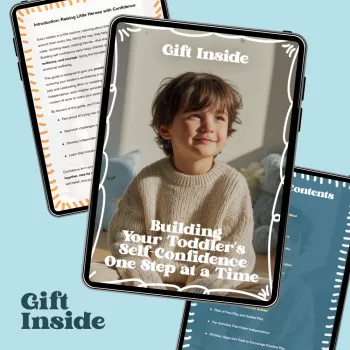

Toddler Bath-to-Bed Routine for Calm, Easy Sleep
Jul 30, 2026












Leave a comment