-
Shop
- Advanced Technologies
- AI Skills
- Bathroom
- Best-Sellers
- Car Accessories
- Confidence
- Dating & Social Skills
- Digital Resources
- AI & Technology
- Beauty
- Budgeting & Saving
- Car Buying & Ownership
- Cozy Feast Collection
- Electronics & Technology
- Entrepreneurship & Business Growth
- Financial Education
- Financial Independence
- Financial Mindset & Psychology
- Goal Setting
- Home Styling & Organization
- Kitchen & Recipes
- Leadership
- Mindfulness
- Mindset
- Online Business
- Parenting & Child Development
- Personal Style & Fashion
- Pet Lifestyle & Wellness
- Positive Thinking
- Sleep Improvement
- Smart Life with AI
- Stress Management & Relaxation
- Travel Planning
- Wellness
- Yoga & Fitness
- Yoga & Mind-Body Practices
- Education & Learning
- Family & Parenting
- Fashion
- Accessories
- Alexander McQueen
- Bags
- Bags & Wallets
- Balenciaga
- Belts
- Blazers
- Bottega Veneta
- Bottoms
- Brunello Cucinelli
- Burberry
- Chanel
- Chloé
- Dior
- Dolce & Gabbana
- Dresses
- Etro
- Fendi
- Gucci
- Hats & Hair Accessories
- Hoodies & Sweatshirts
- Jacquemus
- Jewelry
- Jil Sander
- Kiton
- Luggage
- Miu Miu
- Off-White
- Outerwear
- Prada
- Rick Owens
- Saint Laurent
- Shoes
- Socks & Tights
- Sweaters & Cardigans
- The Row
- Tom Ford
- Tops & Shirts
- Valentino
- Valentino Garavani
- Versace
- Vivienne Westwood
- Watches
- Fashion Accessories
- Furniture
- Gadgets
- Health & Beauty
- Health & Wellness
- Home & Garden
- Home Decor
- Home Electronics
- Home Supplies
- Kids & Babies
- Kitchen
- Kitchen Best-Sellers
- Lighting
- Patio, Lawn & Garden
- Personal Growth
- Pet Care
- Pet Supplies
- Pets
- Sport & Outdoors
- Super Deals
- Travel
- Travel & Adventure
- Wealth
- Popular
- Best deals
Heal Mind-Body Syndrome at Home: 5-Step Plan
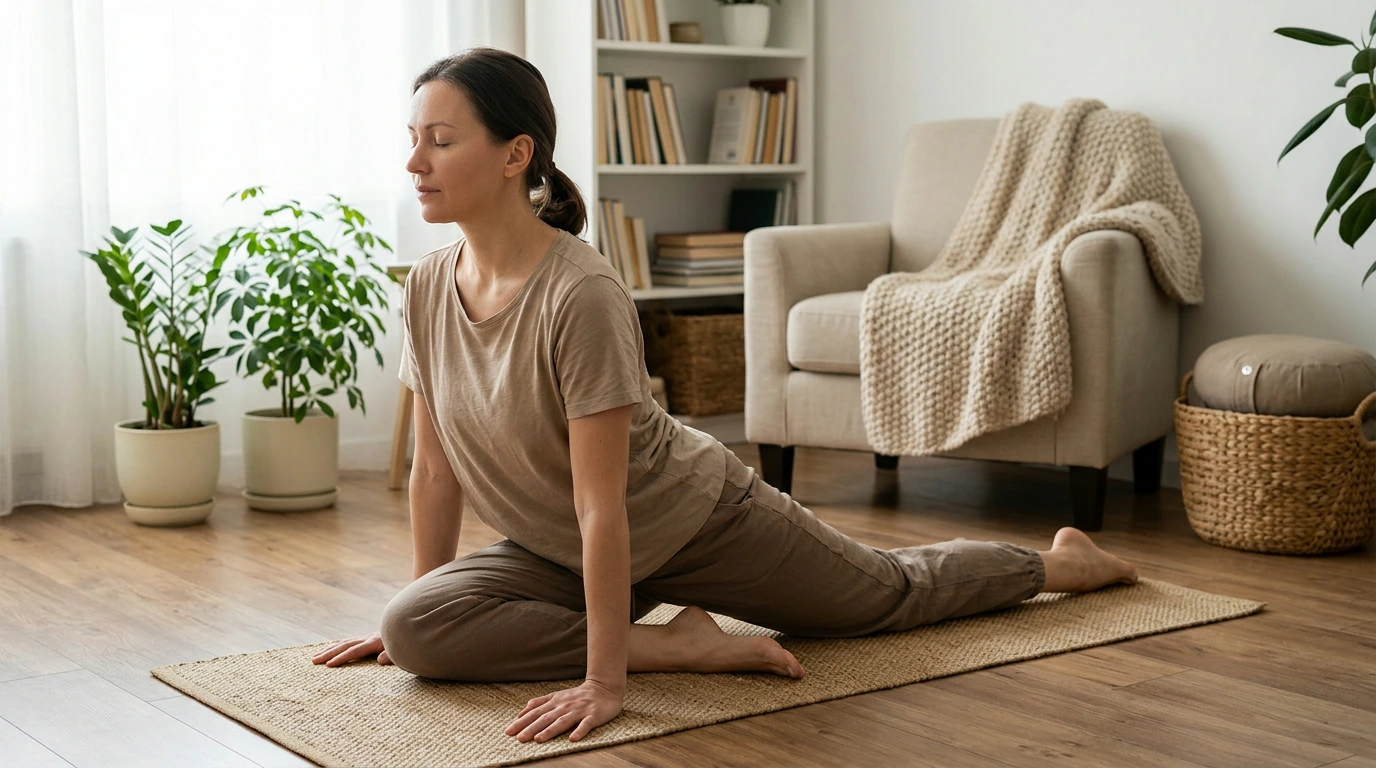
How to Heal Mind-Body Syndrome (A Practical, At-Home Plan)
Mind-body syndrome (often experienced as real pain, tightness, fatigue, or digestive upset driven or amplified by stress and nervous-system overactivation) improves when you retrain your system toward safety. Our team recommends a simple approach: reduce the fear around symptoms, regulate your nervous system daily, and steadily return to normal movement and life. You don’t need a perfect routine—you need a repeatable one.
1) Reframe symptoms as a nervous-system signal
Start by naming what’s happening: your body is protecting you, not breaking down. When symptoms spike, respond with a calm script (out loud if possible): “This is a stress response. I’m safe. This will pass.” Consistency matters more than intensity.
2) Do a short daily regulation routine
Pick one 10–15 minute routine you’ll actually do every day: slow breathing (longer exhales), a brief body scan, gentle stretching, or a short walk with relaxed attention. If you want a structured option, our team put together a routine here: 15-minute daily mind-body wellness routine.
3) Feel feelings—briefly, on purpose
Suppressed pressure can keep the alarm system “on.” Try 5 minutes of journaling: write what you’re angry, sad, or scared about without censoring. End by writing one supportive line to yourself, like “I can handle this day.”
4) Resume movement with graded exposure
Avoiding activity can teach your brain that movement is dangerous. Choose one meaningful activity (walking, lifting light groceries, yoga, housework) and start at an easy level you can repeat. Increase by small steps every 3–7 days, even if mild symptoms show up—aim for “tolerable and temporary,” not “perfect.”
5) Support the body: sleep, nourishment, and simple tools
Build steady inputs: regular meals, hydration, and a consistent sleep window. Consider practical supports that signal safety—like a comfortable acupressure mat for downshifting at night, a heating pad for soothing, or a supportive pillow for relaxed posture. Our team can help you choose options that fit your space and sensitivity.
When to get extra help
If symptoms are severe, rapidly worsening, or linked to trauma, working with a licensed clinician (and ruling out urgent medical causes) can speed progress.
FAQ
What are some daily habits that support nervous system regulation?
Use a consistent sleep/wake schedule, take short walks, practice slow breathing with longer exhales, and include a brief relaxation practice like a body scan or gentle stretching. Keep caffeine and screen time earlier in the day if they make you feel wired.
Recommended for you



Train Your Mind to Support Healing: 5 Daily Steps
Oct 17, 2026
Free Guided Meditation Scripts: 5 Reliable Sources
Oct 17, 2026













Leave a comment