-
Shop
- Advanced Technologies
- AI Skills
- Bathroom
- Best-Sellers
- Car Accessories
- Confidence
- Dating & Social Skills
- Digital Resources
- AI & Technology
- Beauty
- Budgeting & Saving
- Car Buying & Ownership
- Cozy Feast Collection
- Electronics & Technology
- Entrepreneurship & Business Growth
- Financial Education
- Financial Independence
- Financial Mindset & Psychology
- Goal Setting
- Home Styling & Organization
- Kitchen & Recipes
- Leadership
- Mindfulness
- Mindset
- Online Business
- Parenting & Child Development
- Personal Style & Fashion
- Pet Lifestyle & Wellness
- Positive Thinking
- Sleep Improvement
- Smart Life with AI
- Stress Management & Relaxation
- Travel Planning
- Wellness
- Yoga & Fitness
- Yoga & Mind-Body Practices
- Education & Learning
- Family & Parenting
- Fashion
- Accessories
- Alexander McQueen
- Bags
- Bags & Wallets
- Balenciaga
- Belts
- Blazers
- Bottega Veneta
- Bottoms
- Brunello Cucinelli
- Burberry
- Chanel
- Chloé
- Dior
- Dolce & Gabbana
- Dresses
- Etro
- Fendi
- Gucci
- Hats & Hair Accessories
- Hoodies & Sweatshirts
- Jacquemus
- Jewelry
- Jil Sander
- Kiton
- Luggage
- Miu Miu
- Off-White
- Outerwear
- Prada
- Rick Owens
- Saint Laurent
- Shoes
- Socks & Tights
- Sweaters & Cardigans
- The Row
- Tom Ford
- Tops & Shirts
- Valentino
- Valentino Garavani
- Versace
- Vivienne Westwood
- Watches
- Fashion Accessories
- Furniture
- Gadgets
- Health & Beauty
- Health & Wellness
- Home & Garden
- Home Decor
- Home Electronics
- Home Supplies
- Kids & Babies
- Kitchen
- Kitchen Best-Sellers
- Lighting
- Patio, Lawn & Garden
- Personal Growth
- Pet Care
- Pet Supplies
- Pets
- Sport & Outdoors
- Super Deals
- Travel
- Travel & Adventure
- Wealth
- Popular
- Best deals
125cc Lawn Mower Horsepower: What to Expect
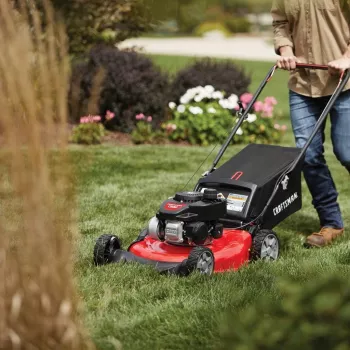
How many horsepower is a 125cc lawn mower?
A 125cc lawn mower engine typically produces about 3.5 to 4.5 horsepower, depending on the engine design, tuning, and the RPM at which the manufacturer measures output. Many 125cc walk-behind mower engines land close to the “around 4 HP” range when compared to older-style horsepower labeling.
Why there isn’t one exact horsepower number
Engine size (cc) tells you the cylinder volume, not the power. Horsepower depends on how much torque the engine makes and how fast it can spin (RPM). The basic relationship is:
Horsepower = (Torque × RPM) ÷ 5252
Two engines with the same 125cc displacement can produce different horsepower if one has better airflow, a different cam profile, higher compression, or a different governor setting. That’s why one 125cc engine might feel peppy while another feels only “adequate,” even though the cc number matches.
What to expect in real mowing performance
A 125cc mower is generally suited for smaller to medium yards and routine weekly cuts. With a sharp blade and a reasonable cutting height, it can handle typical grass without trouble. In thicker, wet, or overgrown conditions, it may bog down sooner than a larger engine, especially when mulching.
How 125cc compares to common mower engines
Many popular push mowers are in the 140cc range, which often provides a noticeable bump in torque for mulching and bagging. If you’re comparing options, it helps to look at the overall mower setup (blade design, deck shape, wheel size, and drive system) rather than cc alone. For a practical look at a common step-up engine size, see this guide to a 21-inch 140cc gas push mower: https://bestsellis.com/guide-21-inch-140cc-gas-push-mower-3-in-1-mulching-bagging/.
FAQ
What’s the difference between 125cc and 140cc mower engines?
A 140cc engine usually offers more torque than a 125cc, which can help maintain blade speed in thicker grass, during mulching, or when bagging. The real-world difference varies by engine model, but the larger displacement often feels less strained under load.
Recommended for you


Push Mower CC Guide: Pick the Right Engine Size
Jul 9, 2026













Leave a comment