-
Shop
- Advanced Technologies
- AI Skills
- Bathroom
- Best-Sellers
- Car Accessories
- Confidence
- Dating & Social Skills
- Digital Resources
- AI & Technology
- Beauty
- Budgeting & Saving
- Car Buying & Ownership
- Cozy Feast Collection
- Electronics & Technology
- Entrepreneurship & Business Growth
- Financial Education
- Financial Independence
- Financial Mindset & Psychology
- Goal Setting
- Home Styling & Organization
- Kitchen & Recipes
- Leadership
- Mindfulness
- Mindset
- Online Business
- Parenting & Child Development
- Personal Style & Fashion
- Pet Lifestyle & Wellness
- Positive Thinking
- Sleep Improvement
- Smart Life with AI
- Stress Management & Relaxation
- Travel Planning
- Wellness
- Yoga & Fitness
- Yoga & Mind-Body Practices
- Education & Learning
- Family & Parenting
- Fashion
- Accessories
- Alexander McQueen
- Bags
- Bags & Wallets
- Balenciaga
- Belts
- Blazers
- Bottega Veneta
- Bottoms
- Brunello Cucinelli
- Burberry
- Chanel
- Chloé
- Dior
- Dolce & Gabbana
- Dresses
- Etro
- Fendi
- Gucci
- Hats & Hair Accessories
- Hoodies & Sweatshirts
- Jacquemus
- Jewelry
- Jil Sander
- Kiton
- Luggage
- Miu Miu
- Off-White
- Outerwear
- Prada
- Rick Owens
- Saint Laurent
- Shoes
- Socks & Tights
- Sweaters & Cardigans
- The Row
- Tom Ford
- Tops & Shirts
- Valentino
- Valentino Garavani
- Versace
- Vivienne Westwood
- Watches
- Fashion Accessories
- Furniture
- Gadgets
- Health & Beauty
- Health & Wellness
- Home & Garden
- Home Decor
- Home Electronics
- Home Supplies
- Kids & Babies
- Kitchen
- Kitchen Best-Sellers
- Lighting
- Patio, Lawn & Garden
- Personal Growth
- Pet Care
- Pet Supplies
- Pets
- Sport & Outdoors
- Super Deals
- Travel
- Travel & Adventure
- Wealth
- Popular
- Best deals
Push Mower CC Guide: Pick the Right Engine Size
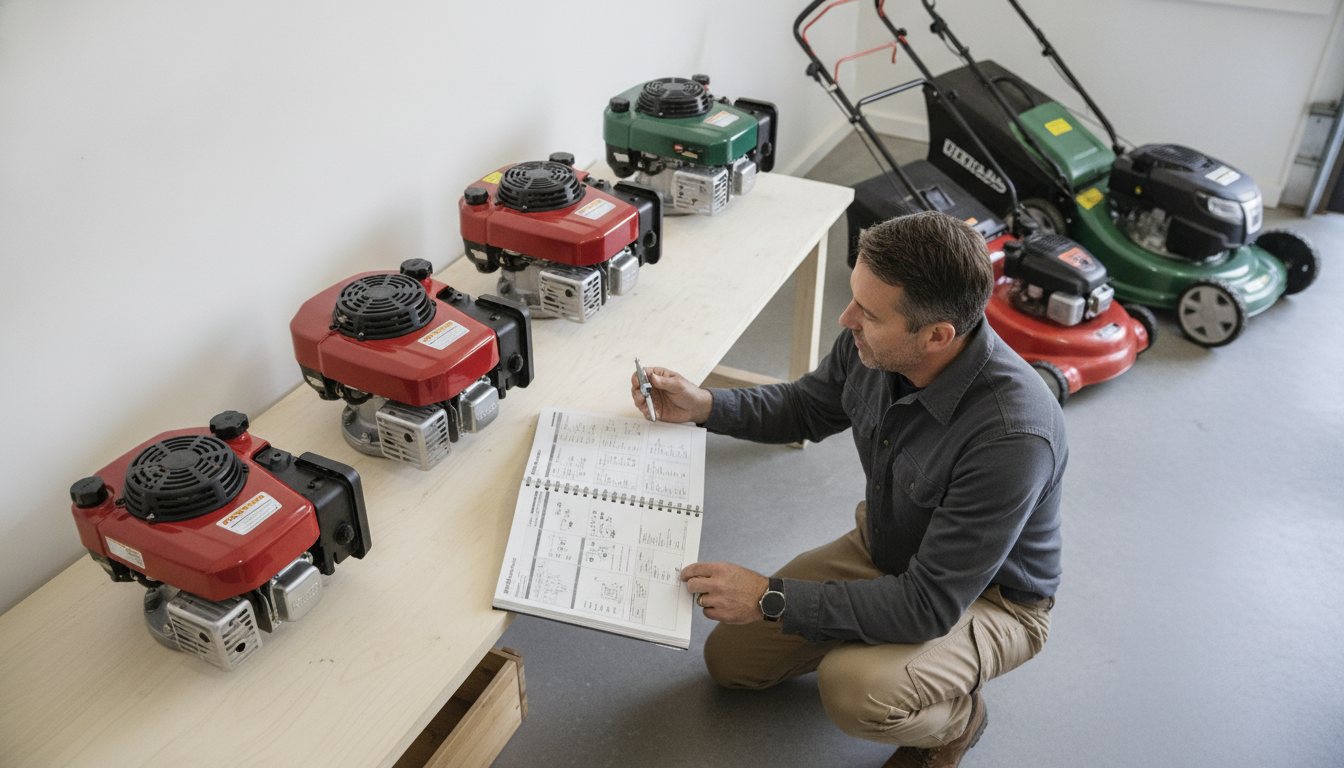
How many cc should a push mower have?
Most homeowners do well with a gas push mower in the 140cc to 190cc range. That window is powerful enough to cut typical suburban lawns without the extra weight, fuel use, and cost that often come with larger-displacement engines. The “right” cc depends less on lawn size alone and more on grass thickness, terrain, and how often the lawn is maintained.
Quick cc guidelines by lawn and conditions
Small, flat lawns (up to about 1/4 acre): Around 125cc–150cc is usually plenty if you mow regularly and aren’t constantly tackling tall, wet grass.
Average lawns (about 1/4 to 1/2 acre): Aim for 140cc–170cc. This is a common “sweet spot” for 21-inch push mowers, offering solid torque for weekly mowing and light mulching or bagging.
Thicker grass, frequent mulching, or slightly hilly yards: Consider 160cc–190cc. Extra displacement can help maintain blade speed when the mower is working harder, especially during spring growth spurts.
Large or challenging yards: If you’re pushing beyond 190cc, it may be worth considering a self-propelled model for easier handling, since higher-cc mowers can be heavier.
Why cc matters (and what it doesn’t tell you)
Engine displacement (cc) is a rough indicator of potential torque and load-handling. More cc can mean better performance in dense grass and improved recovery when the mower bogs down. However, real-world cutting performance also depends on blade design, deck airflow, mower condition, and whether you’re mowing too low or too infrequently.
A practical recommendation for most buyers
If you want a dependable, general-purpose option, a 21-inch 140cc gas push mower is a proven middle ground for many lawns. For a deeper look at how a 140cc 3-in-1 setup (mulching/bagging/side discharge) fits typical yard needs, see the full guide here: https://bestsellis.com/guide-21-inch-140cc-gas-push-mower-3-in-1-mulching-bagging/.
FAQ
Is a self-propelled mower better than a push mower?
Self-propelled mowers are easier on hills and for larger yards because the wheels drive the mower forward. A standard push mower can be lighter and simpler, making it a good fit for small, flat lawns.
Recommended for you
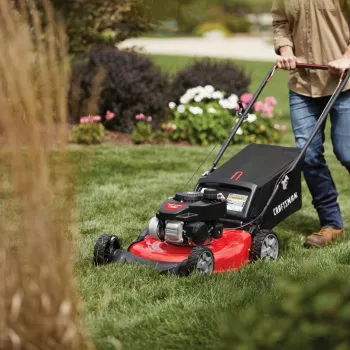

125cc Lawn Mower Horsepower: What to Expect
Jul 9, 2026













Leave a comment