-
Shop
- Advanced Technologies
- AI Skills
- Bathroom
- Best-Sellers
- Car Accessories
- Confidence
- Dating & Social Skills
- Digital Resources
- AI & Technology
- Beauty
- Budgeting & Saving
- Car Buying & Ownership
- Cozy Feast Collection
- Electronics & Technology
- Entrepreneurship & Business Growth
- Financial Education
- Financial Independence
- Financial Mindset & Psychology
- Goal Setting
- Home Styling & Organization
- Kitchen & Recipes
- Leadership
- Mindfulness
- Mindset
- Online Business
- Parenting & Child Development
- Personal Style & Fashion
- Pet Lifestyle & Wellness
- Positive Thinking
- Sleep Improvement
- Smart Life with AI
- Stress Management & Relaxation
- Travel Planning
- Wellness
- Yoga & Fitness
- Yoga & Mind-Body Practices
- Education & Learning
- Family & Parenting
- Fashion
- Accessories
- Alexander McQueen
- Bags
- Bags & Wallets
- Balenciaga
- Belts
- Blazers
- Bottega Veneta
- Bottoms
- Brunello Cucinelli
- Burberry
- Chanel
- Chloé
- Dior
- Dolce & Gabbana
- Dresses
- Etro
- Fendi
- Gucci
- Hats & Hair Accessories
- Hoodies & Sweatshirts
- Jacquemus
- Jewelry
- Jil Sander
- Kiton
- Luggage
- Miu Miu
- Off-White
- Outerwear
- Prada
- Rick Owens
- Saint Laurent
- Shoes
- Socks & Tights
- Sweaters & Cardigans
- The Row
- Tom Ford
- Tops & Shirts
- Valentino
- Valentino Garavani
- Versace
- Vivienne Westwood
- Watches
- Fashion Accessories
- Furniture
- Gadgets
- Health & Beauty
- Health & Wellness
- Home & Garden
- Home Decor
- Home Electronics
- Home Supplies
- Kids & Babies
- Kitchen
- Kitchen Best-Sellers
- Lighting
- Patio, Lawn & Garden
- Personal Growth
- Pet Care
- Pet Supplies
- Pets
- Sport & Outdoors
- Super Deals
- Travel
- Travel & Adventure
- Wealth
- Popular
- Best deals
Faulty Coolant Temperature Sensor: How Long Can You Drive?
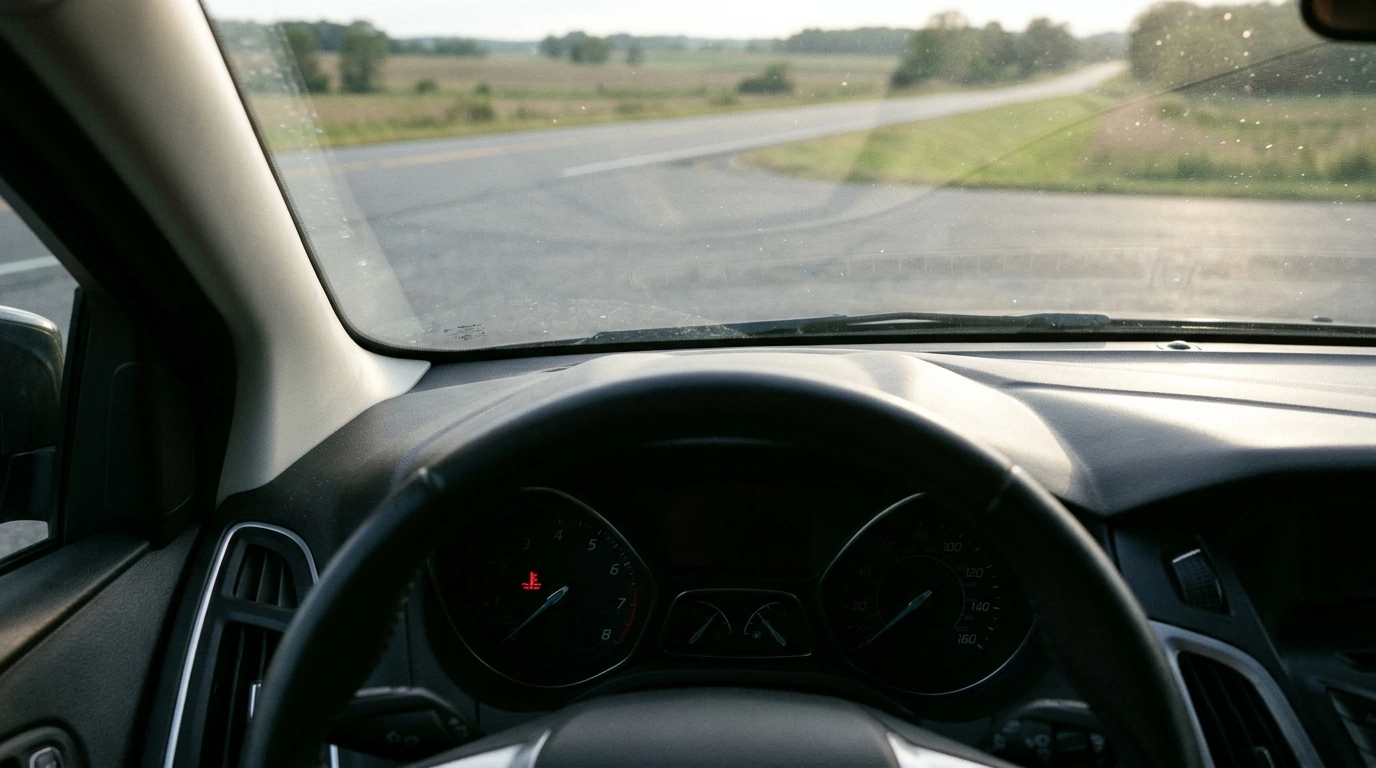
How long can you drive with a faulty coolant temperature sensor?
There is no reliable number of miles you can safely drive with a faulty coolant temperature sensor. If the sensor is giving the wrong reading, your dashboard may not warn you when the engine overheats. The engine computer may also adjust fuel delivery or cooling-fan operation based on bad information. Our advice is to limit driving to what is necessary to reach a safe place or a repair shop, and arrange a diagnosis promptly.
What should you do before driving?
First, make sure the engine is not actually overheating. If the temperature warning light is on, the gauge is in the hot zone, you see steam, or you smell hot coolant, pull over safely and turn off the engine. Do not open the radiator cap or coolant reservoir while the system is hot; pressurized coolant can cause serious burns. Let the engine cool and have the vehicle inspected or towed.
If the engine is cool and you have no overheating symptoms, a short trip to a nearby repair shop may be reasonable, but it is not a guarantee of safety. Watch for a warning light, rising gauge, reduced power, or new steam, and stop immediately if any appear. For more steps to take when a warning comes on, see our coolant temperature warning light guide.
Why replace the sensor promptly?
A faulty sensor can send readings that are too high, too low, or intermittent. Depending on the vehicle, that may cause hard starts, rough running, poor fuel economy, an inaccurate temperature display, or cooling fans that run at the wrong time. More importantly, a misleading reading makes it harder for you to recognize a real overheating problem before it damages the engine.
Our team recommends diagnosing the fault rather than replacing parts based on the gauge alone. Wiring, a connector, a thermostat, low coolant, or another cooling-system issue can produce similar symptoms. Once the cause is confirmed, choose a replacement sensor specified for your vehicle’s year, make, model, and engine. The correct electrical connector and fit matter as much as the sensor’s stated application.
FAQ
Can a bad coolant temperature sensor cause a car to overheat?
It can contribute to overheating on vehicles that use its signal to control the cooling fans. A bad sensor can also hide an overheating problem by reporting an inaccurate temperature, so treat steam or a temperature warning as a reason to stop.
Recommended for you

Coolant Temperature Warning: Safe Steps to Fix It
Oct 27, 2026













Leave a comment