-
Shop
- Advanced Technologies
- AI Skills
- Bathroom
- Best-Sellers
- Car Accessories
- Confidence
- Dating & Social Skills
- Digital Resources
- AI & Technology
- Beauty
- Budgeting & Saving
- Car Buying & Ownership
- Cozy Feast Collection
- Electronics & Technology
- Entrepreneurship & Business Growth
- Financial Education
- Financial Independence
- Financial Mindset & Psychology
- Goal Setting
- Home Styling & Organization
- Kitchen & Recipes
- Leadership
- Mindfulness
- Mindset
- Online Business
- Parenting & Child Development
- Personal Style & Fashion
- Pet Lifestyle & Wellness
- Positive Thinking
- Sleep Improvement
- Smart Life with AI
- Stress Management & Relaxation
- Travel Planning
- Wellness
- Yoga & Fitness
- Yoga & Mind-Body Practices
- Education & Learning
- Family & Parenting
- Fashion
- Accessories
- Alexander McQueen
- Bags
- Bags & Wallets
- Balenciaga
- Belts
- Blazers
- Bottega Veneta
- Bottoms
- Brunello Cucinelli
- Burberry
- Chanel
- Chloé
- Dior
- Dolce & Gabbana
- Dresses
- Etro
- Fendi
- Gucci
- Hats & Hair Accessories
- Hoodies & Sweatshirts
- Jacquemus
- Jewelry
- Jil Sander
- Kiton
- Luggage
- Miu Miu
- Off-White
- Outerwear
- Prada
- Rick Owens
- Saint Laurent
- Shoes
- Socks & Tights
- Sweaters & Cardigans
- The Row
- Tom Ford
- Tops & Shirts
- Valentino
- Valentino Garavani
- Versace
- Vivienne Westwood
- Watches
- Fashion Accessories
- Furniture
- Gadgets
- Health & Beauty
- Health & Wellness
- Home & Garden
- Home Decor
- Home Electronics
- Home Supplies
- Kids & Babies
- Kitchen
- Kitchen Best-Sellers
- Lighting
- Patio, Lawn & Garden
- Personal Growth
- Pet Care
- Pet Supplies
- Pets
- Sport & Outdoors
- Super Deals
- Travel
- Travel & Adventure
- Wealth
- Popular
- Best deals
Layering for Cold Rain Workouts (No Overheating)
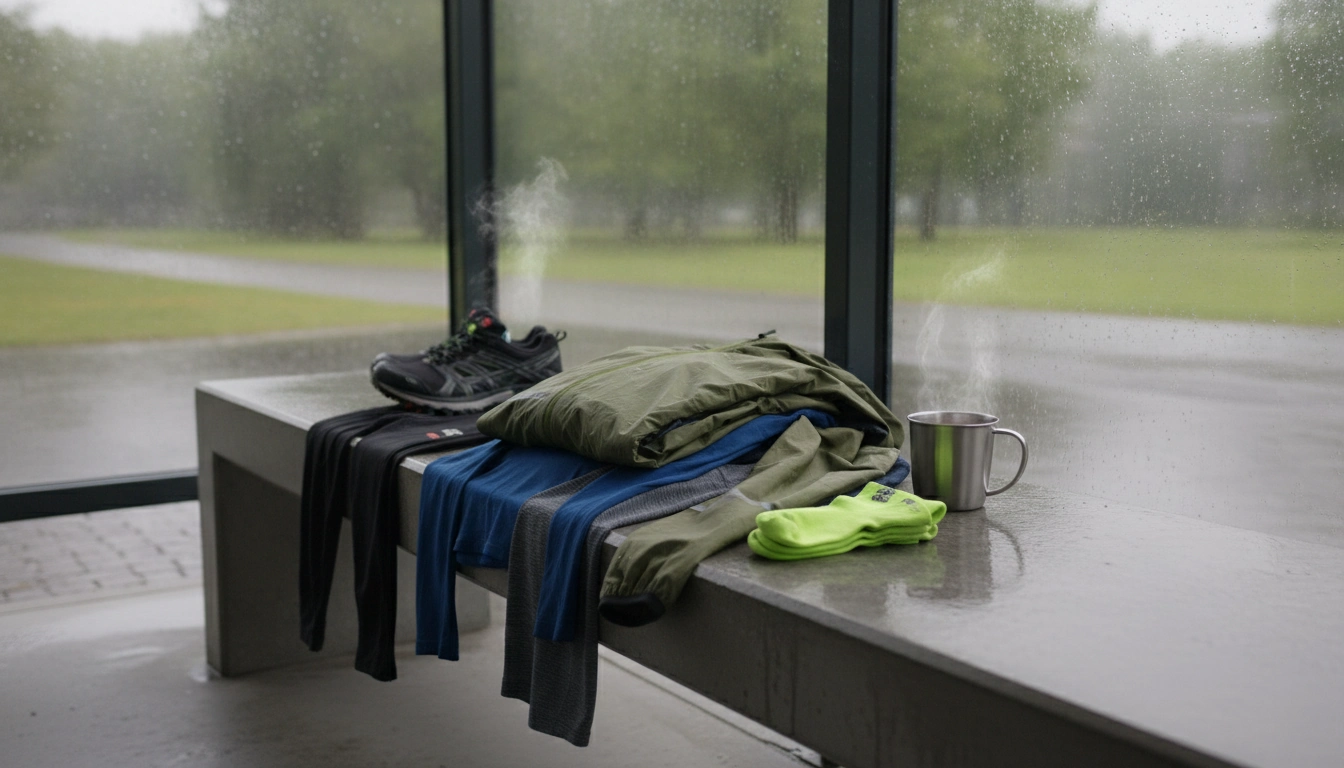
How do you layer clothing for workouts in cold rain without overheating?
The goal is to stay warm and protected while still letting heat and sweat escape. In cold rain, overdressing traps moisture, which can make you feel clammy during the workout and chilled the moment you slow down. A simple, adjustable layering system works best: a wicking base, a light insulating middle (only if needed), and a breathable rain shell.
Start with a moisture-wicking base layer
Choose a snug synthetic or merino top that pulls sweat off your skin. Avoid cotton, which holds water and cools you down fast. If it’s not extremely cold, a single long-sleeve base may be enough under a shell.
Add a “thin warmth” midlayer only when temperatures demand it
Use a lightweight fleece grid, thin thermal, or light synthetic layer—not a bulky hoodie. The midlayer’s job is to take the edge off the cold while still breathing. If you tend to run hot, skip it and rely on the shell plus gloves/hat for comfort.
Finish with a breathable waterproof (or highly water-resistant) shell
Look for a rain jacket designed for high output, with underarm vents, a two-way zipper, or mesh venting. Fully waterproof fabrics can feel stuffy; ventilation features are what keep you from overheating. Keep the hood adjusted so it doesn’t block peripheral vision.
Use small accessories to regulate heat
In cold rain, hands and ears get cold quickly. Lightweight gloves and a thin cap or headband can add a lot of comfort without adding core heat. If you start to warm up, remove the hat or unzip vents before peeling off major layers.
Dial in the “start slightly chilly” rule
If you feel perfectly warm standing outside, you’ll likely overheat once you’re moving. Start a bit cool, then use zippers, vents, and removable accessories to manage heat as conditions change.
For a deeper checklist on storm training, including wind and rain safety tips, see the full guide here: https://bestsellis.com/guide-wind-rain-workout-checklist-safer-storm-training/.
FAQ
What should you wear on your feet for running in the rain?
Wear moisture-wicking socks (synthetic or merino) and shoes with reliable traction. Expect wet feet in steady rain, so prioritize blister prevention and grip over trying to stay perfectly dry.
Recommended for you


Wind Speed Limits for Safe Outdoor Workouts
Aug 12, 2026













Leave a comment