-
Shop
- Advanced Technologies
- AI Skills
- Bathroom
- Best-Sellers
- Car Accessories
- Confidence
- Dating & Social Skills
- Digital Resources
- AI & Technology
- Beauty
- Budgeting & Saving
- Car Buying & Ownership
- Cozy Feast Collection
- Electronics & Technology
- Entrepreneurship & Business Growth
- Financial Education
- Financial Independence
- Financial Mindset & Psychology
- Goal Setting
- Home Styling & Organization
- Kitchen & Recipes
- Leadership
- Mindfulness
- Mindset
- Online Business
- Parenting & Child Development
- Personal Style & Fashion
- Pet Lifestyle & Wellness
- Positive Thinking
- Sleep Improvement
- Smart Life with AI
- Stress Management & Relaxation
- Travel Planning
- Wellness
- Yoga & Fitness
- Yoga & Mind-Body Practices
- Education & Learning
- Family & Parenting
- Fashion
- Accessories
- Alexander McQueen
- Bags
- Bags & Wallets
- Balenciaga
- Belts
- Blazers
- Bottega Veneta
- Bottoms
- Brunello Cucinelli
- Burberry
- Chanel
- Chloé
- Dior
- Dolce & Gabbana
- Dresses
- Etro
- Fendi
- Gucci
- Hats & Hair Accessories
- Hoodies & Sweatshirts
- Jacquemus
- Jewelry
- Jil Sander
- Kiton
- Luggage
- Miu Miu
- Off-White
- Outerwear
- Prada
- Rick Owens
- Saint Laurent
- Shoes
- Socks & Tights
- Sweaters & Cardigans
- The Row
- Tom Ford
- Tops & Shirts
- Valentino
- Valentino Garavani
- Versace
- Vivienne Westwood
- Watches
- Fashion Accessories
- Furniture
- Gadgets
- Health & Beauty
- Health & Wellness
- Home & Garden
- Home Decor
- Home Electronics
- Home Supplies
- Kids & Babies
- Kitchen
- Kitchen Best-Sellers
- Lighting
- Patio, Lawn & Garden
- Personal Growth
- Pet Care
- Pet Supplies
- Pets
- Sport & Outdoors
- Super Deals
- Travel
- Travel & Adventure
- Wealth
- Popular
- Best deals
How to Talk to Strangers Without Freezing Up

You spot an opportunity to chat: someone is standing next to you in line, or a friend introduces you to someone new. You want to say something, but your mind goes blank. Sound familiar?
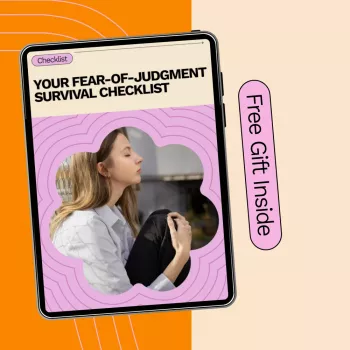
Starting a conversation can feel surprisingly difficult, even when you genuinely want to connect. The good news is that confidence can grow with practice, and you don’t have to begin with a perfect introduction. Our digital guide, Hello, Confidence!, offers a personal-development resource for anyone who wants to feel more confident talking to strangers.
Why Starting a Conversation Can Feel So Hard
Talking to someone new involves a little uncertainty. You don’t know what they’ll say, whether they’re in the mood to talk, or how long the exchange will last. That uncertainty can make even a friendly greeting feel like a big moment.
It can get harder when you put pressure on yourself to be interesting, funny, or immediately likable. Instead of searching for the perfect thing to say, try giving yourself permission to start with something ordinary. A question about the setting or a comment about a shared experience is enough to open the door.
You don’t need to have social anxiety to feel nervous about meeting someone. And a conversation doesn’t have to turn into a friendship to count. A brief, pleasant exchange can be a worthwhile place to begin.
Meet Hello, Confidence!
Our Hello, Confidence! digital guide is an option if you want support as you work on feeling more confident talking to strangers. It’s a digital personal-development resource, so you can explore it alongside the small steps you choose to take in everyday life.
The guide is $12.99 USD. Visit the product page to check current details before you decide whether it’s right for you. There’s no need to rush: the best starting point is one that feels manageable for you.
Make the First Move Feel Smaller
Choose a setting where a short exchange feels natural. A community event, a line at a café, or a gathering with mutual friends can give you something in common to talk about. You might ask a simple question or make an observation about what’s happening around you.
Once you’ve opened the conversation, focus on the answer rather than trying to plan every sentence ahead. Listening gives you something real to respond to—and takes some of the pressure off performing.
Here are a few general ideas to try. They’re conversation suggestions from our team, not a description of what’s inside the guide.
| Situation | Possible opener | Low-pressure next step |
|---|---|---|
| Waiting in line | “Have you been here before?” | Respond briefly to their answer. |
| At a community event | “What brought you here today?” | Ask one follow-up question. |
| Meeting someone through a friend | “How do you know the host?” | Share a short answer of your own. |
Pay attention to the other person’s cues, too. If they give a short answer or seem occupied, you can smile and let the exchange end. A conversation is an invitation, not an obligation for either of you.
Practice Without Chasing Perfection
Set a goal small enough that you’re willing to try it. You might greet one person at an event, ask a cashier how their day is going, or introduce yourself to one new neighbor. You get to choose what feels reasonable.
Afterward, notice what went well. Perhaps you made eye contact, asked your question, or stayed present long enough to hear the answer. These details matter, even if you also felt awkward. You can recognize the effort without grading the entire interaction.
Pauses are normal, and so are short conversations. If you’re ready to leave, a simple “It was nice talking with you” is a polite way to finish. As you get more comfortable, you can gradually try a different setting or add a follow-up question. There’s no required pace.
If talking with new people is part of your work, you may also have practical business questions beyond conversation. Our AI for Small Business Toolkit is a separate digital download for small business owners; it isn’t a conversation-confidence resource.
Find the Support That Fits
A guide can be a useful personal-development resource, but it isn’t a substitute for professional care. If fear of social situations persistently interferes with your daily life, consider speaking with a qualified health professional. You can also learn more about social anxiety and available support from the National Institute of Mental Health and the NHS.
Wherever you’re starting, you don’t have to become the most outgoing person in the room. Explore Hello, Confidence! if you’d like a resource for your journey, and consider taking one small step toward your next conversation.
FAQ
What is Hello, Confidence!?
Hello, Confidence! is a digital guide for people who want to feel more confident talking to strangers. It’s a personal-development resource, not a substitute for professional care.
What can I say when I do not know how to start a conversation?
Try a simple question or observation suited to the setting, such as asking someone how they know the host. Listen to their response and follow up naturally if they seem interested in talking.
Can a digital guide replace help for social anxiety?
No. A digital guide is not a substitute for professional care; if anxiety regularly disrupts your daily life, consider speaking with a qualified health professional.
Recommended for you


Modern Wood Cat Tree with Basket, Hammock & Posts
Nov 19, 2026













Leave a comment