-
Shop
- Advanced Technologies
- AI Skills
- Bathroom
- Best-Sellers
- Car Accessories
- Confidence
- Dating & Social Skills
- Digital Resources
- AI & Technology
- Beauty
- Budgeting & Saving
- Car Buying & Ownership
- Cozy Feast Collection
- Electronics & Technology
- Entrepreneurship & Business Growth
- Financial Education
- Financial Independence
- Financial Mindset & Psychology
- Goal Setting
- Home Styling & Organization
- Kitchen & Recipes
- Leadership
- Mindfulness
- Mindset
- Online Business
- Parenting & Child Development
- Personal Style & Fashion
- Pet Lifestyle & Wellness
- Positive Thinking
- Sleep Improvement
- Smart Life with AI
- Stress Management & Relaxation
- Travel Planning
- Wellness
- Yoga & Fitness
- Yoga & Mind-Body Practices
- Education & Learning
- Family & Parenting
- Fashion
- Accessories
- Alexander McQueen
- Bags
- Bags & Wallets
- Balenciaga
- Belts
- Blazers
- Bottega Veneta
- Bottoms
- Brunello Cucinelli
- Burberry
- Chanel
- Chloé
- Dior
- Dolce & Gabbana
- Dresses
- Etro
- Fendi
- Gucci
- Hats & Hair Accessories
- Hoodies & Sweatshirts
- Jacquemus
- Jewelry
- Jil Sander
- Kiton
- Luggage
- Miu Miu
- Off-White
- Outerwear
- Prada
- Rick Owens
- Saint Laurent
- Shoes
- Socks & Tights
- Sweaters & Cardigans
- The Row
- Tom Ford
- Tops & Shirts
- Valentino
- Valentino Garavani
- Versace
- Vivienne Westwood
- Watches
- Fashion Accessories
- Furniture
- Gadgets
- Health & Beauty
- Health & Wellness
- Home & Garden
- Home Decor
- Home Electronics
- Home Supplies
- Kids & Babies
- Kitchen
- Kitchen Best-Sellers
- Lighting
- Patio, Lawn & Garden
- Personal Growth
- Pet Care
- Pet Supplies
- Pets
- Sport & Outdoors
- Super Deals
- Travel
- Travel & Adventure
- Wealth
- Popular
- Best deals
Heated Massage Mattress: Full-Body Vibration + Heat
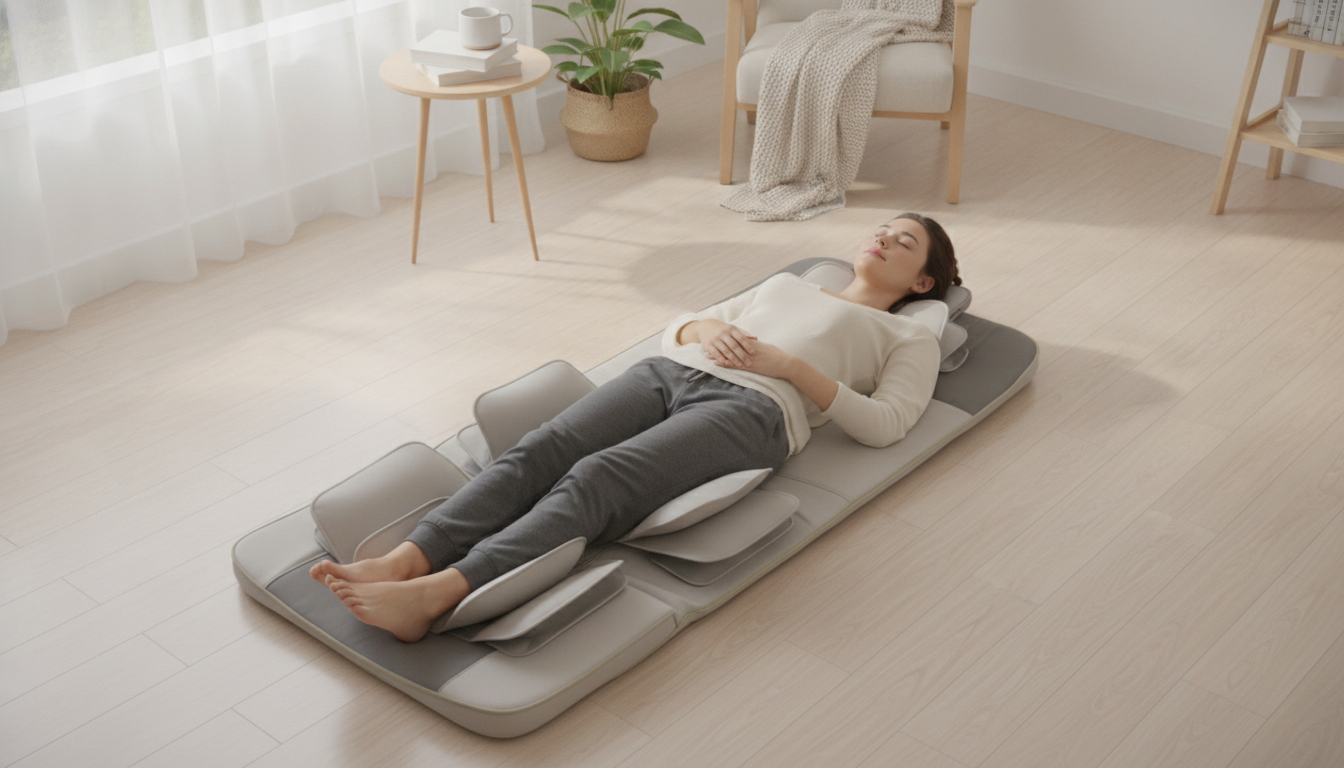
Electric Heated Massage Mattresses: Warmth and Vibration for a Better Wind-Down
An electric heated massage mattress combines gentle vibration massage with soothing heat to help unwind after long days, reduce the feeling of muscle tightness, and create a more restful wind-down routine. Set it up on a bed, couch, or even the floor, and it becomes a simple way to shift from “go mode” into recovery—without booking appointments or rearranging your schedule.
Below is a practical guide to what these mats do, who tends to enjoy them most, the features that make a real difference, and how to use heat and vibration comfortably and safely at home.
What an electric heated massage mattress does
Most electric heated massage mattresses are designed to deliver vibration-style massage across multiple zones, paired with controllable heat. Instead of deep kneading like a massage chair, the sensation is typically a steady, calming vibration that can feel especially nice when your body feels “stuck” from sitting, commuting, or standing for long stretches.
- Provides vibration massage zones that can be used together or individually for a head-to-toe relaxation session.
- Adds adjustable heat to boost comfort—especially during colder months or after activity.
- Creates an easy at-home decompression routine after desk work, workouts, long shifts, or travel days.
- Usually lays flat on a bed or couch; many people also use the mat on the floor for stretching and mobility sessions.
Who it’s best for (and when it’s most useful)
Heat plus vibration can be a great “bridge” between a busy day and better rest. While it’s not a medical treatment, it can support comfort and relaxation habits that make evenings feel more manageable.
- Desk workers: Helps counter the “stiff after sitting” feeling and supports a consistent evening wind-down routine.
- Active lifestyles: Pairs well with post-workout recovery habits (hydration, light stretching, then heat + massage).
- Cold sleepers: Heat can make the bed feel more inviting without needing to warm the whole room as much.
- Caregivers and anyone on their feet: Offers a simple, low-effort way to relax the back, hips, and legs.
- Travelers and frequent flyers: Useful for restoring comfort after long periods of sitting.
Key features that matter for full-body relaxation
Two mats can look similar online but feel very different in real use. These are the details that tend to separate “used once” from “used weekly.”
Heat settings and distribution
Look for adjustable heat levels and warmth that spreads evenly across the area you actually want to relax (often the back and lumbar region). For general guidance on when heat is helpful—and when to avoid it—see Cleveland Clinic’s overview of heat therapy.
Massage zones and targeting
More zones usually means better targeting. Instead of one uniform vibration, multiple zones let you focus on the upper back, lumbar area, thighs, or calves depending on what feels most tense that day.
Intensity control
Gentle settings tend to work best near bedtime, while higher intensity can be useful for a shorter “reset” session earlier in the evening. If you’re curious how massage is generally described from a wellness perspective, NCCIH’s massage therapy overview is a helpful reference.
Timer and auto shut-off
A timer makes it easier to keep sessions consistent and avoid accidentally running heat longer than intended—especially if you’re using it while relaxing in bed.
Materials and comfort
A soft surface that doesn’t bunch up, slip, or feel scratchy makes a bigger difference than it sounds. If you’ll use it on a couch, a grippy backing can help keep the mat aligned.
| Mode/Setting | What it feels like | Best for | Suggested session length |
|---|---|---|---|
| Low vibration + low heat | Subtle, calming hum with gentle warmth | Pre-sleep relaxation | 15–30 minutes |
| Medium vibration + medium heat | Noticeable massage sensation and cozy warmth | End-of-day tension relief | 15–20 minutes |
| High vibration (no heat) | Stronger stimulation without added warmth | Quick reset after sitting or before stretching | 10–15 minutes |
| Heat only | Warmth without vibration | Cold nights or general comfort | 15–30 minutes |
How to set it up for better results
Small setup tweaks can make the experience feel more “custom,” even if the mat itself is simple.
Safety and comfort guidelines
For additional general heat-therapy safety considerations, Mayo Clinic’s heat therapy guidance is a solid starting point.
Care, storage, and keeping it working well
A practical pick for at-home relaxation
If you want a dedicated, full-body setup that combines warmth and vibration in one place, consider the Electric Heated Massage Mattress for Full Body Relaxation. It’s an easy add-on to a nightly routine—especially when consistency matters more than intensity.
For recovery-minded households that spend a lot of time outdoors, adding a comfort routine after bigger activity days can help you feel ready for the next one. If paddling, camping, or long weekend adventures are common, the 3.6M Thickened PVC Inflatable Kayak is an in-stock option to support those active days—then come home and unwind with heat and vibration.
FAQ
Can an electric heated massage mattress be used every day?
Typically yes for many people when used at comfortable heat and intensity levels with a timer. Start with shorter sessions and adjust based on how you feel, and follow heat-safety guidance if you have reduced sensation or medical conditions.
Is heat or massage better for sore muscles?
Heat often supports comfort and helps tight-feeling muscles relax, while vibration massage can feel soothing and help you unwind. The better choice depends on timing and cause—avoid heat on fresh injuries or areas that are swollen unless a clinician advises otherwise.
How long should a session last?
Most sessions fall in the 10–30 minute range depending on heat level and vibration intensity. Using the built-in timer is a simple way to stay consistent and avoid prolonged high heat.
Recommended for you

AI Meal Planners: How They Build Shopping Lists Fast
Jun 23, 2026










Leave a comment