-
Shop
- Advanced Technologies
- AI Skills
- Bathroom
- Best-Sellers
- Car Accessories
- Confidence
- Dating & Social Skills
- Digital Resources
- AI & Technology
- Beauty
- Budgeting & Saving
- Car Buying & Ownership
- Cozy Feast Collection
- Electronics & Technology
- Entrepreneurship & Business Growth
- Financial Education
- Financial Independence
- Financial Mindset & Psychology
- Goal Setting
- Home Styling & Organization
- Kitchen & Recipes
- Leadership
- Mindfulness
- Mindset
- Online Business
- Parenting & Child Development
- Personal Style & Fashion
- Pet Lifestyle & Wellness
- Positive Thinking
- Sleep Improvement
- Smart Life with AI
- Stress Management & Relaxation
- Travel Planning
- Wellness
- Yoga & Fitness
- Yoga & Mind-Body Practices
- Education & Learning
- Family & Parenting
- Fashion
- Accessories
- Alexander McQueen
- Bags
- Bags & Wallets
- Balenciaga
- Belts
- Blazers
- Bottega Veneta
- Bottoms
- Brunello Cucinelli
- Burberry
- Chanel
- Chloé
- Dior
- Dolce & Gabbana
- Dresses
- Etro
- Fendi
- Gucci
- Hats & Hair Accessories
- Hoodies & Sweatshirts
- Jacquemus
- Jewelry
- Jil Sander
- Kiton
- Luggage
- Miu Miu
- Off-White
- Outerwear
- Prada
- Rick Owens
- Saint Laurent
- Shoes
- Socks & Tights
- Sweaters & Cardigans
- The Row
- Tom Ford
- Tops & Shirts
- Valentino
- Valentino Garavani
- Versace
- Vivienne Westwood
- Watches
- Fashion Accessories
- Furniture
- Gadgets
- Health & Beauty
- Health & Wellness
- Home & Garden
- Home Decor
- Home Electronics
- Home Supplies
- Kids & Babies
- Kitchen
- Kitchen Best-Sellers
- Lighting
- Patio, Lawn & Garden
- Personal Growth
- Pet Care
- Pet Supplies
- Pets
- Sport & Outdoors
- Super Deals
- Travel
- Travel & Adventure
- Wealth
- Popular
- Best deals
AI Meal Planners: How They Build Shopping Lists Fast
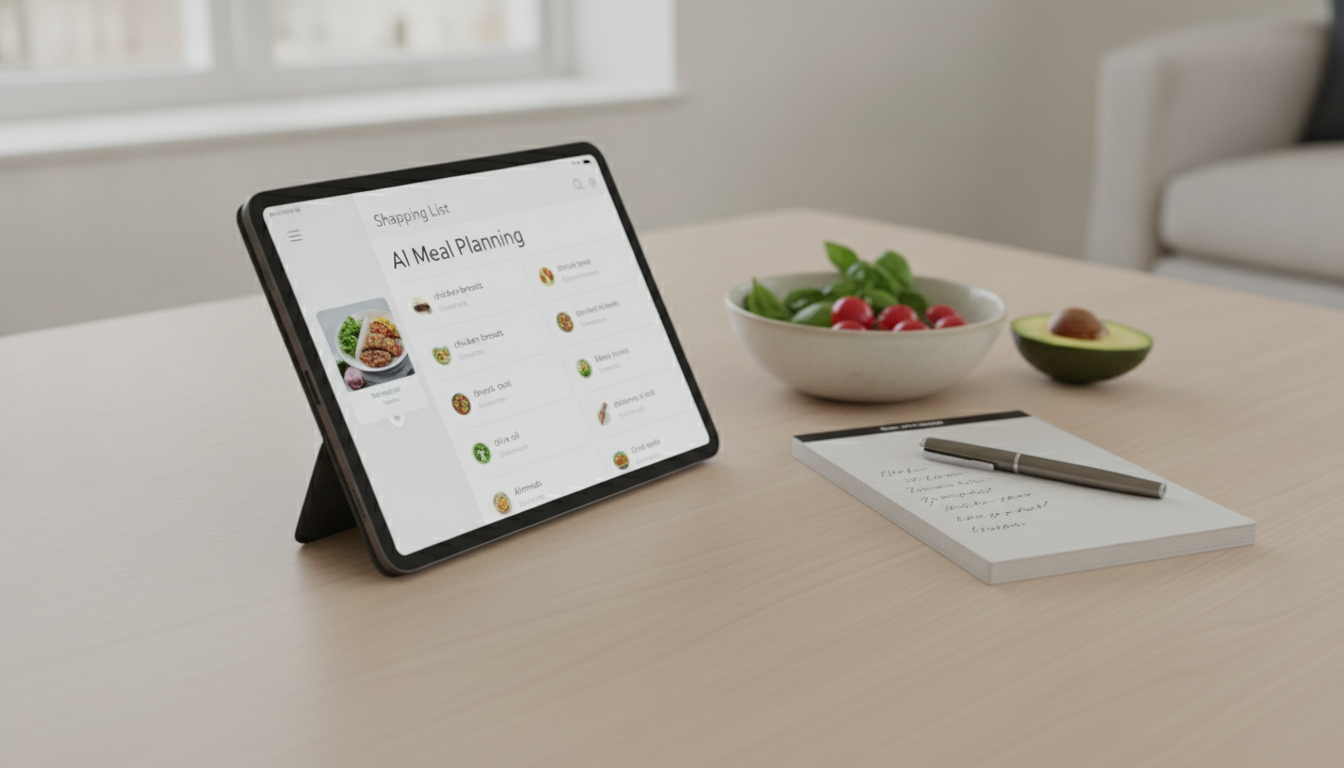
Do AI meal planners create shopping lists?
Yes—most AI meal planners can generate a shopping list automatically, usually based on the recipes and serving sizes you select for the week. Once a meal plan is built, the app compiles all needed ingredients, totals overlapping items (like onions or rice), and outputs a checklist you can use on your phone or print at home.
How the shopping list is created
AI meal planners typically pull ingredients directly from each recipe card. After you confirm portions and number of days, the tool aggregates quantities across meals and organizes items into categories such as produce, dairy, pantry, and protein. Many planners also let you remove meals, swap recipes, or exclude ingredients—then the list updates instantly to match the changes.
What features to look for in a good AI-generated list
Not all lists are equally useful. The best AI meal planners offer flexible controls, such as:
- Adjustable servings that recalculate quantities automatically
- Dietary filters (gluten-free, vegetarian, low-carb) that affect both recipes and the list
- Pantry tracking to avoid buying items you already have
- Unit conversions (cups to grams) and consistent measurement formatting
- Store-friendly sorting (by aisle/category) and a tap-to-check-off interface
Can you use the list for online grocery ordering?
Often, yes. Some AI meal planners integrate with grocery delivery services or allow exporting the list to a notes app, email, or a shareable link. Even without direct integrations, a well-organized list makes it faster to add items to a retailer’s cart manually, especially when it groups ingredients by type and shows totals.
When the list might need a quick cleanup
AI-generated shopping lists can occasionally include recipe-specific items you may already own (like spices or oil) or list ingredients with slightly different names (scallions vs. green onions). A quick review before shopping helps remove duplicates and confirm quantities—particularly for staples and seasonings.
For a deeper breakdown of how different tools handle recipe imports, pantry settings, and exports, visit https://bestsellis.com/do-ai-meal-planners-create-shopping-lists/.
FAQ
Can AI meal planners accommodate dietary restrictions and allergies?
Many can by filtering recipes and flagging common allergens, but results depend on how accurately recipes are tagged. Always double-check ingredient lists and substitutions, especially for severe allergies.
Recommended for you



Heated Massage Mattress: Full-Body Vibration + Heat
Jun 23, 2026













Leave a comment