-
Shop
- Advanced Technologies
- AI Skills
- Bathroom
- Best-Sellers
- Car Accessories
- Confidence
- Dating & Social Skills
- Digital Resources
- AI & Technology
- Beauty
- Budgeting & Saving
- Car Buying & Ownership
- Cozy Feast Collection
- Electronics & Technology
- Entrepreneurship & Business Growth
- Financial Education
- Financial Independence
- Financial Mindset & Psychology
- Goal Setting
- Home Styling & Organization
- Kitchen & Recipes
- Leadership
- Mindfulness
- Mindset
- Online Business
- Parenting & Child Development
- Personal Style & Fashion
- Pet Lifestyle & Wellness
- Positive Thinking
- Sleep Improvement
- Smart Life with AI
- Stress Management & Relaxation
- Travel Planning
- Wellness
- Yoga & Fitness
- Yoga & Mind-Body Practices
- Education & Learning
- Family & Parenting
- Fashion
- Accessories
- Alexander McQueen
- Bags
- Bags & Wallets
- Balenciaga
- Belts
- Blazers
- Bottega Veneta
- Bottoms
- Brunello Cucinelli
- Burberry
- Chanel
- Chloé
- Dior
- Dolce & Gabbana
- Dresses
- Etro
- Fendi
- Gucci
- Hats & Hair Accessories
- Hoodies & Sweatshirts
- Jacquemus
- Jewelry
- Jil Sander
- Kiton
- Luggage
- Miu Miu
- Off-White
- Outerwear
- Prada
- Rick Owens
- Saint Laurent
- Shoes
- Socks & Tights
- Sweaters & Cardigans
- The Row
- Tom Ford
- Tops & Shirts
- Valentino
- Valentino Garavani
- Versace
- Vivienne Westwood
- Watches
- Fashion Accessories
- Furniture
- Gadgets
- Health & Beauty
- Health & Wellness
- Home & Garden
- Home Decor
- Home Electronics
- Home Supplies
- Kids & Babies
- Kitchen
- Kitchen Best-Sellers
- Lighting
- Patio, Lawn & Garden
- Personal Growth
- Pet Care
- Pet Supplies
- Pets
- Sport & Outdoors
- Super Deals
- Travel
- Travel & Adventure
- Wealth
- Popular
- Best deals
Dimmer Switches for Balanced Home Lighting: Bulb Guide
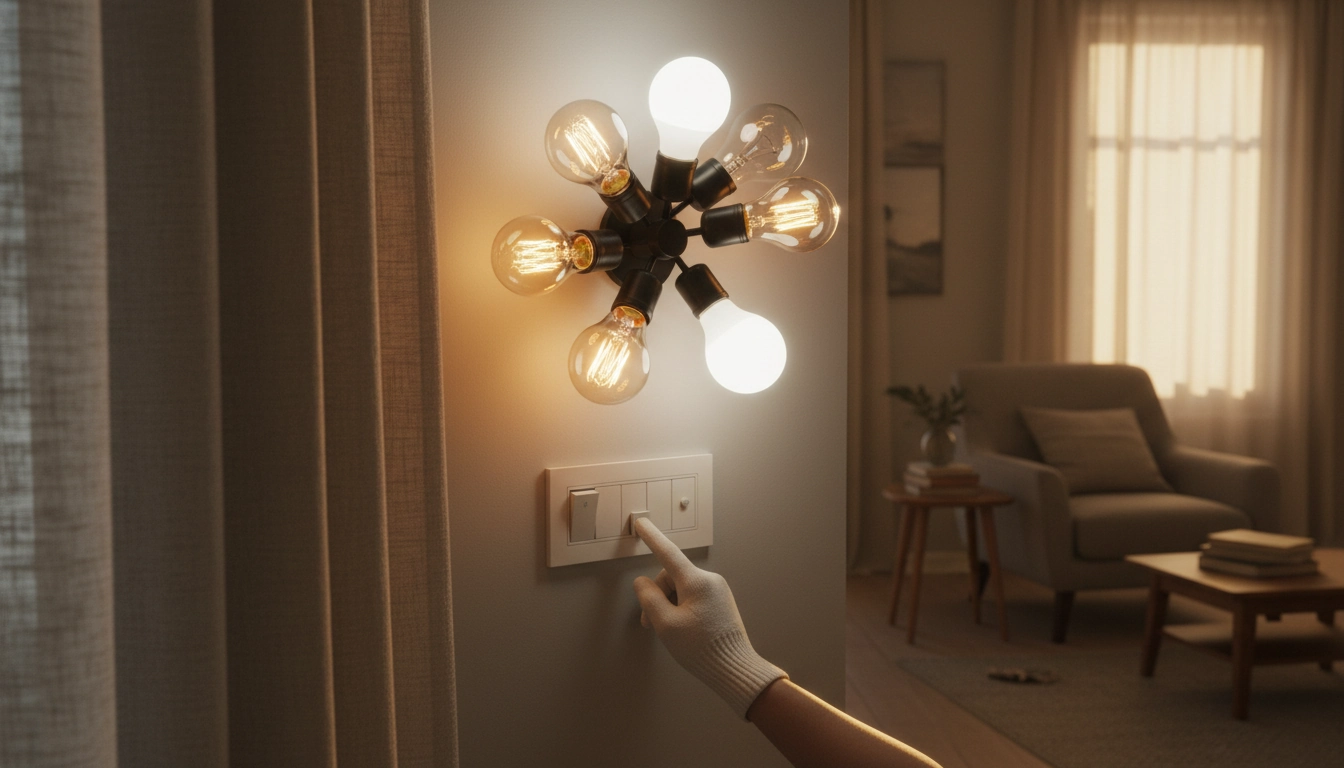
Are dimmer switches worth it for home lighting balance, and what bulbs work with dimmers?
Dimmer switches are worth it when the goal is comfortable, balanced lighting across different moments of the day. They let one fixture play multiple roles—brighter for cleaning or tasks, softer for winding down—without adding more lamps or changing bulbs constantly. That flexibility helps “layered lighting” feel cohesive, because you can fine-tune ambient light so accent and task lights don’t look harsh or underpowered.
Dimmers also help reduce glare and eye strain, especially in rooms with reflective surfaces (kitchens, bathrooms, and living rooms with large screens). In many homes, dimming can extend bulb life and lower energy use over time, though the bigger payoff is typically comfort and control rather than dramatic savings.
What bulbs work with dimmers?
The short rule: match a dimmable bulb with a compatible dimmer. Incandescent and halogen bulbs dim smoothly on most standard dimmers. LEDs and CFLs require bulbs labeled “dimmable,” and they often work best with an LED-rated (or “CL”) dimmer designed for low-wattage loads.
- LED: Choose “dimmable” LEDs and, ideally, an LED-compatible dimmer. This reduces flicker, drop-out (bulb turning off at low levels), and limited dim range.
- CFL: Only CFLs labeled “dimmable” will dim; even then, dim performance varies and may not go as low as LED or incandescent.
- Incandescent/Halogen: Typically the most predictable dimming, but higher energy use.
- Smart bulbs: Many should not be used on traditional dimmers unless the manufacturer specifically allows it; they often need a standard on/off switch and dim via app/voice.
For the best lighting balance, pair dimmers with a consistent color temperature plan (warm for relaxing spaces, neutral for work zones). For more guidance on layering, bulb selection, and placement, see this balanced home lighting guide.
FAQ
How do I reduce flickering when using LED bulbs with dimmers?
Use dimmable LEDs and an LED-rated dimmer, then check the dimmer’s compatibility list for your bulb model. If flicker persists, reduce the number of different bulb brands on the same circuit or swap to a higher-quality LED designed for smooth dimming.













Leave a comment