-
Shop
- Advanced Technologies
- AI Skills
- Bathroom
- Best-Sellers
- Car Accessories
- Confidence
- Dating & Social Skills
- Digital Resources
- AI & Technology
- Beauty
- Budgeting & Saving
- Car Buying & Ownership
- Cozy Feast Collection
- Electronics & Technology
- Entrepreneurship & Business Growth
- Financial Education
- Financial Independence
- Financial Mindset & Psychology
- Goal Setting
- Home Styling & Organization
- Kitchen & Recipes
- Leadership
- Mindfulness
- Mindset
- Online Business
- Parenting & Child Development
- Personal Style & Fashion
- Pet Lifestyle & Wellness
- Positive Thinking
- Sleep Improvement
- Smart Life with AI
- Stress Management & Relaxation
- Travel Planning
- Wellness
- Yoga & Fitness
- Yoga & Mind-Body Practices
- Education & Learning
- Family & Parenting
- Fashion
- Accessories
- Alexander McQueen
- Bags
- Bags & Wallets
- Balenciaga
- Belts
- Blazers
- Bottega Veneta
- Bottoms
- Brunello Cucinelli
- Burberry
- Chanel
- Chloé
- Dior
- Dolce & Gabbana
- Dresses
- Etro
- Fendi
- Gucci
- Hats & Hair Accessories
- Hoodies & Sweatshirts
- Jacquemus
- Jewelry
- Jil Sander
- Kiton
- Luggage
- Miu Miu
- Off-White
- Outerwear
- Prada
- Rick Owens
- Saint Laurent
- Shoes
- Socks & Tights
- Sweaters & Cardigans
- The Row
- Tom Ford
- Tops & Shirts
- Valentino
- Valentino Garavani
- Versace
- Vivienne Westwood
- Watches
- Fashion Accessories
- Furniture
- Gadgets
- Health & Beauty
- Health & Wellness
- Home & Garden
- Home Decor
- Home Electronics
- Home Supplies
- Kids & Babies
- Kitchen
- Kitchen Best-Sellers
- Lighting
- Patio, Lawn & Garden
- Personal Growth
- Pet Care
- Pet Supplies
- Pets
- Sport & Outdoors
- Super Deals
- Travel
- Travel & Adventure
- Wealth
- Popular
- Best deals
Caring for an 8-Week-Old Puppy: Is It Hard?
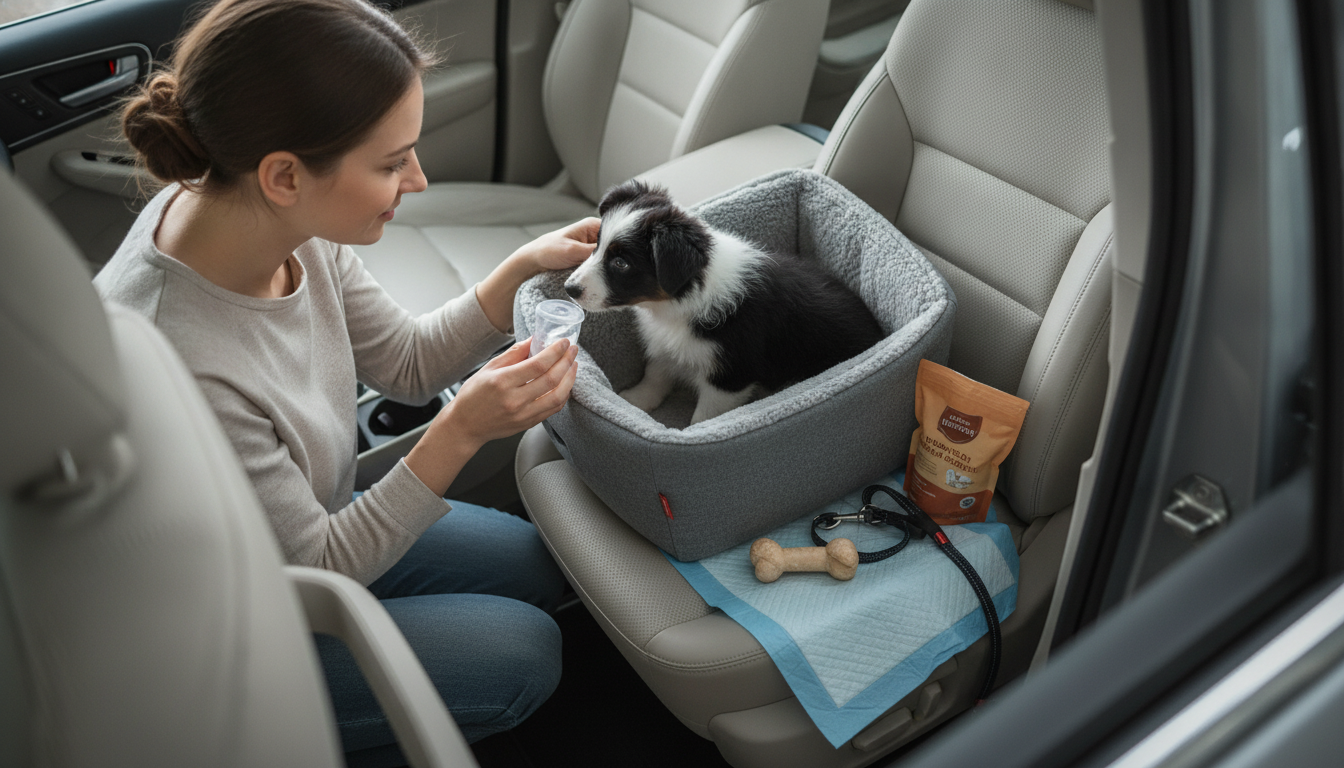
Are 2 month old puppies hard to take care of?
They can feel hard at first because a 2-month-old puppy is basically a curious baby with sharp teeth, a tiny bladder, and no idea what your routine is. The good news: the challenges are predictable, short-lived, and much easier when you set up a simple plan for feeding, potty breaks, sleep, and training.
Why 8-week-old puppies feel “high maintenance”
Most puppies at this age need frequent potty trips (often every 1–2 hours when awake), multiple meals per day, and near-constant supervision to prevent chewing, accidents, or unsafe exploration. Add in teething and limited attention span, and normal puppy behavior can look like “trouble” when it’s really just development.
What makes care easier (and what makes it harder)
Care gets easier when your schedule is consistent: same wake-up routine, same potty spots, same mealtimes, and short training sessions repeated daily. It gets harder when the puppy is overtired, roaming freely without supervision, or rewarded accidentally for jumping, barking, or mouthing. A confined safe area (like a crate or puppy pen) and a predictable rhythm can prevent most chaos before it starts.
Daily basics to focus on right now
Prioritize four things: (1) a vet visit for a health check and vaccine schedule, (2) a feeding routine suited to puppy food and your breeder/vet guidance, (3) potty training with frequent outdoor trips and immediate praise, and (4) bite inhibition and gentle handling practice. Keep training sessions brief—think 1–3 minutes—then repeat often.
When it’s more than “normal puppy stuff”
Call a veterinarian promptly if you notice repeated vomiting, diarrhea, refusal to eat, extreme lethargy, coughing, or signs of pain. Young puppies can get dehydrated quickly, so it’s always better to ask early.
For a straightforward checklist and step-by-step routine that simplifies the first weeks, visit this puppy care guide.
FAQ
How often should a 2 month old puppy go outside to potty?
Most need a potty break every 1–2 hours when awake, plus immediately after waking up, after eating or drinking, and after play. Consistency and quick praise outside help the habit form faster.
Recommended for you


Upholstered Double Bed: Meaning, Build & Buying Tips
Jun 24, 2026
1-Day-Old Puppy Care: Warmth, Nursing & Red Flags
Jun 24, 2026













Leave a comment