-
Shop
- Advanced Technologies
- AI Skills
- Bathroom
- Best-Sellers
- Car Accessories
- Confidence
- Dating & Social Skills
- Digital Resources
- AI & Technology
- Beauty
- Budgeting & Saving
- Car Buying & Ownership
- Cozy Feast Collection
- Electronics & Technology
- Entrepreneurship & Business Growth
- Financial Education
- Financial Independence
- Financial Mindset & Psychology
- Goal Setting
- Home Styling & Organization
- Kitchen & Recipes
- Leadership
- Mindfulness
- Mindset
- Online Business
- Parenting & Child Development
- Personal Style & Fashion
- Pet Lifestyle & Wellness
- Positive Thinking
- Sleep Improvement
- Smart Life with AI
- Stress Management & Relaxation
- Travel Planning
- Wellness
- Yoga & Fitness
- Yoga & Mind-Body Practices
- Education & Learning
- Family & Parenting
- Fashion
- Accessories
- Alexander McQueen
- Bags
- Bags & Wallets
- Balenciaga
- Belts
- Blazers
- Bottega Veneta
- Bottoms
- Brunello Cucinelli
- Burberry
- Chanel
- Chloé
- Dior
- Dolce & Gabbana
- Dresses
- Etro
- Fendi
- Gucci
- Hats & Hair Accessories
- Hoodies & Sweatshirts
- Jacquemus
- Jewelry
- Jil Sander
- Kiton
- Luggage
- Miu Miu
- Off-White
- Outerwear
- Prada
- Rick Owens
- Saint Laurent
- Shoes
- Socks & Tights
- Sweaters & Cardigans
- The Row
- Tom Ford
- Tops & Shirts
- Valentino
- Valentino Garavani
- Versace
- Vivienne Westwood
- Watches
- Fashion Accessories
- Furniture
- Gadgets
- Health & Beauty
- Health & Wellness
- Home & Garden
- Home Decor
- Home Electronics
- Home Supplies
- Kids & Babies
- Kitchen
- Kitchen Best-Sellers
- Lighting
- Patio, Lawn & Garden
- Personal Growth
- Pet Care
- Pet Supplies
- Pets
- Sport & Outdoors
- Super Deals
- Travel
- Travel & Adventure
- Wealth
- Popular
- Best deals
What Is the Downside of Black Mulch? Heat and More
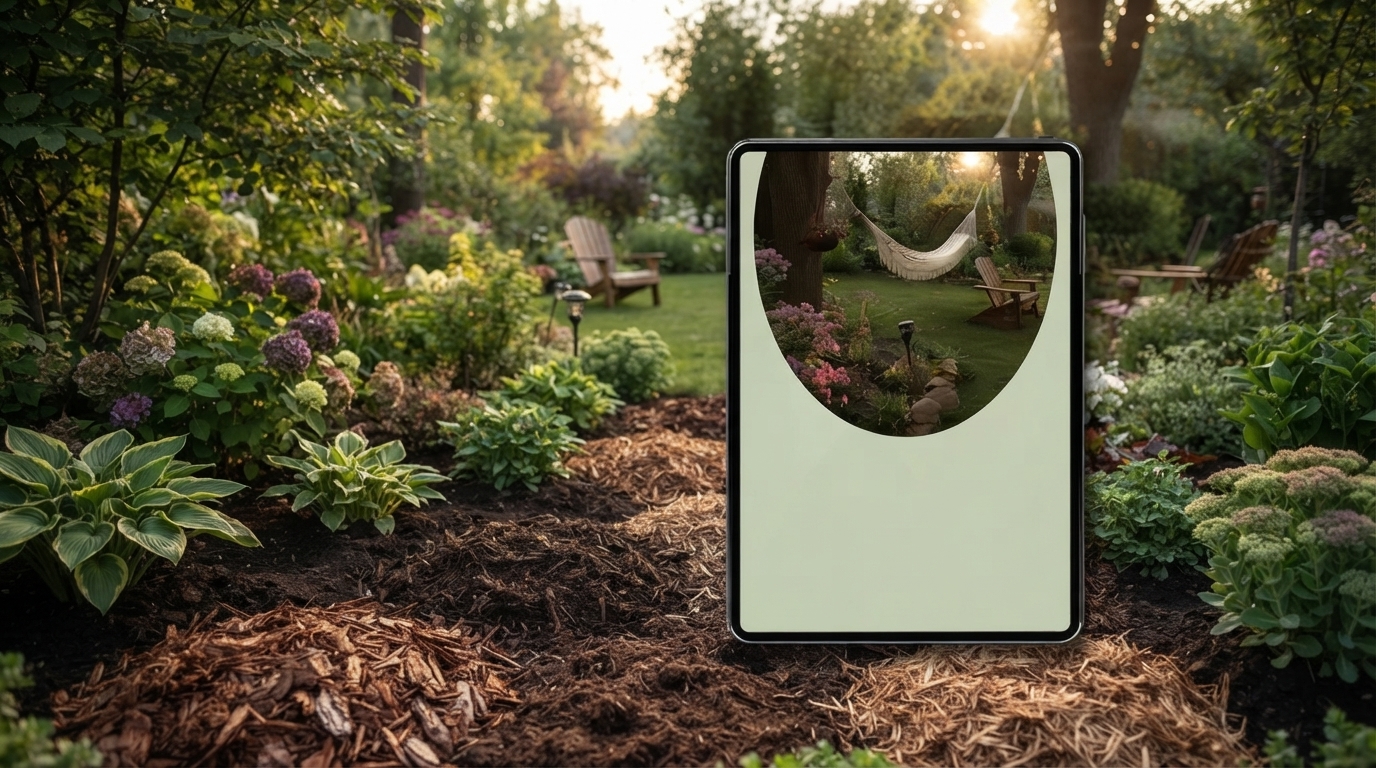
What is the downside of black mulch?
The main downside of black mulch is that its dark color absorbs heat, which can make the soil surface warmer and increase moisture loss in hot, sunny areas. The color can also fade over time, and some types of black mulch are less suitable than others for gardens where you want to improve the soil.
Black mulch can give beds a crisp, contrasting look, but the material underneath the color matters more than the shade alone. Our team recommends choosing mulch based on the plants, the amount of sun, and how you maintain the bed.
Does black mulch get too hot for plants?
Black mulch can become hot in direct sunlight, particularly around exposed soil and young plants. In very warm climates, that extra surface heat may stress shallow-rooted plants or dry the top layer of soil more quickly. It is not automatically harmful, but it pays to monitor moisture during hot weather.
Water the soil deeply when needed, and consider a lighter-colored organic mulch for delicate plants in an intensely sunny bed. Keep any mulch a few inches away from stems and tree trunks so moisture does not collect against them.
What should you know about dyed black wood mulch?
Dyed wood mulch gradually fades as it is exposed to sun, rain, and irrigation, so you may need to refresh it if you want a consistently dark finish. Color can also transfer to hands, clothing, or nearby paving while the mulch is being spread, especially when it is damp.
Choose a product made from clean, untreated wood, especially for beds near vegetables or herbs. Avoid mulch made from wood that may contain paint, preservatives, or construction debris. Like other wood mulches, it decomposes over time and needs replenishing.
Is black rubber mulch a good alternative?
Black rubber mulch lasts longer than wood, but it does not break down to enrich soil. It can also be difficult to remove if you change your landscape, and it is not our first choice for vegetable beds or areas where you want to build healthy garden soil.
For more help choosing materials, depth, and weed-control strategies, explore our complete guide to mulch types and tips.
FAQ
How deep should you spread mulch?
For most garden beds, spread organic mulch about 2 to 3 inches deep. Keep it a few inches away from plant stems and tree trunks, and avoid piling it against the base.
Recommended for you



Is a Higher mm Lens Better? Focal Length Explained
Nov 19, 2026
How to Dress for a Cold-Weather Workout
Nov 19, 2026













Leave a comment