-
Shop
- Advanced Technologies
- AI Skills
- Bathroom
- Best-Sellers
- Car Accessories
- Confidence
- Dating & Social Skills
- Digital Resources
- AI & Technology
- Beauty
- Budgeting & Saving
- Car Buying & Ownership
- Cozy Feast Collection
- Electronics & Technology
- Entrepreneurship & Business Growth
- Financial Education
- Financial Independence
- Financial Mindset & Psychology
- Goal Setting
- Home Styling & Organization
- Kitchen & Recipes
- Leadership
- Mindfulness
- Mindset
- Online Business
- Parenting & Child Development
- Personal Style & Fashion
- Pet Lifestyle & Wellness
- Positive Thinking
- Sleep Improvement
- Smart Life with AI
- Stress Management & Relaxation
- Travel Planning
- Wellness
- Yoga & Fitness
- Yoga & Mind-Body Practices
- Education & Learning
- Family & Parenting
- Fashion
- Accessories
- Alexander McQueen
- Bags
- Bags & Wallets
- Balenciaga
- Belts
- Blazers
- Bottega Veneta
- Bottoms
- Brunello Cucinelli
- Burberry
- Chanel
- Chloé
- Dior
- Dolce & Gabbana
- Dresses
- Etro
- Fendi
- Gucci
- Hats & Hair Accessories
- Hoodies & Sweatshirts
- Jacquemus
- Jewelry
- Jil Sander
- Kiton
- Luggage
- Miu Miu
- Off-White
- Outerwear
- Prada
- Rick Owens
- Saint Laurent
- Shoes
- Socks & Tights
- Sweaters & Cardigans
- The Row
- Tom Ford
- Tops & Shirts
- Valentino
- Valentino Garavani
- Versace
- Vivienne Westwood
- Watches
- Fashion Accessories
- Furniture
- Gadgets
- Health & Beauty
- Health & Wellness
- Home & Garden
- Home Decor
- Home Electronics
- Home Supplies
- Kids & Babies
- Kitchen
- Kitchen Best-Sellers
- Lighting
- Patio, Lawn & Garden
- Personal Growth
- Pet Care
- Pet Supplies
- Pets
- Sport & Outdoors
- Super Deals
- Travel
- Travel & Adventure
- Wealth
- Popular
- Best deals
Mulch Magic: Depth, Types & Tips for Fewer Weeds
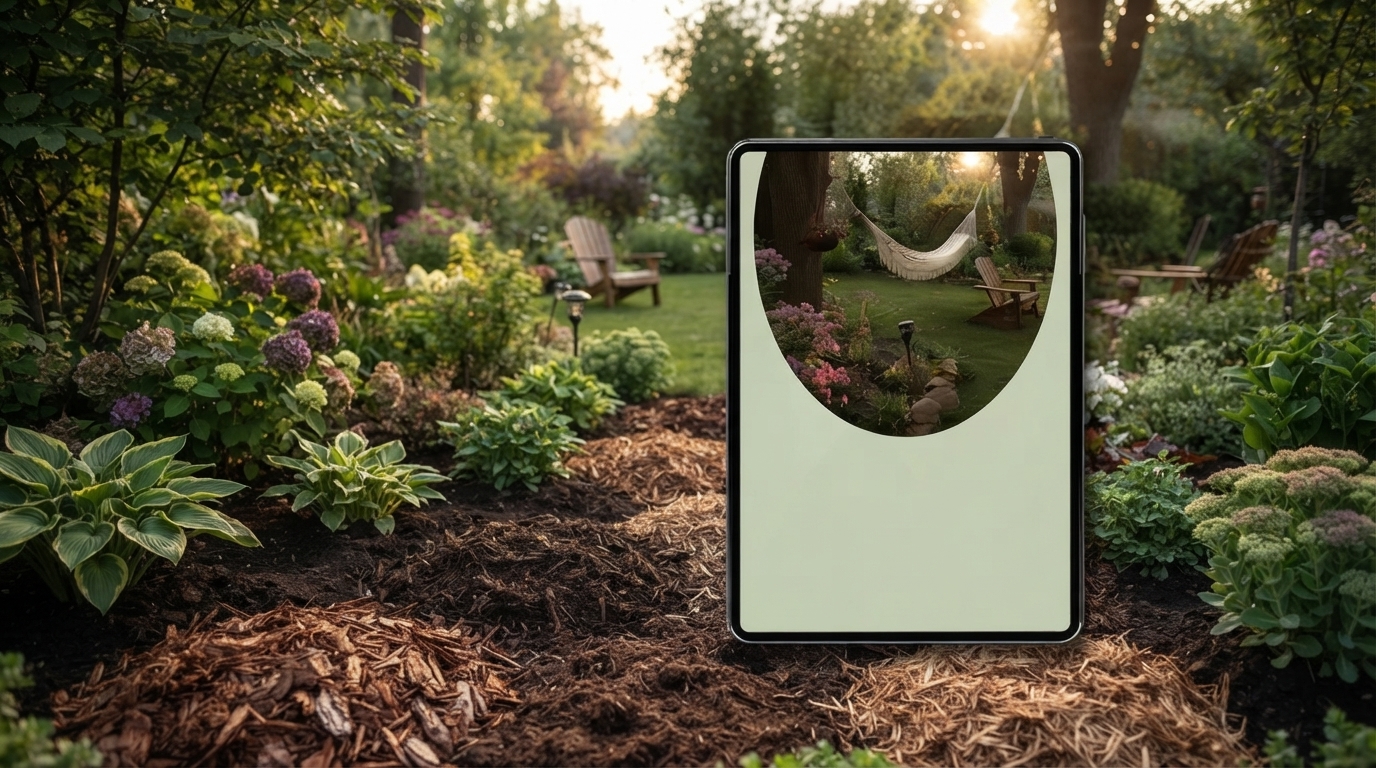
Mulch Magic: The Simple Layer That Changes Soil, Watering, and Weeds
Mulch looks simple, but the right layer in the right place can shift a garden’s day-to-day maintenance: steadier moisture, fewer weeds, cooler roots in summer, warmer soil in shoulder seasons, and less erosion after heavy rain. The key is matching mulch type and depth to the planting area and applying it in a way that protects stems, trunks, and soil life rather than smothering them.
Why a thin layer can make a big difference
Mulch works because it changes what happens at the soil surface—where sun, wind, rain, and weed seeds do most of their damage. Even a modest layer can improve results fast, especially in beds that dry out quickly or grow weeds nonstop.
- Cuts evaporation so beds stay evenly moist longer between waterings.
- Buffers soil temperature swings that stress roots and slow growth.
- Blocks light from reaching weed seeds, lowering germination and growth.
- Softens soil impact from rain and irrigation, reducing crusting and erosion.
- Feeds soil biology when organic mulches break down, improving structure over time.
For research-backed best practices, see guidance from Cornell Cooperative Extension and University of Minnesota Extension on mulching landscape plantings and mulch basics.
Choosing a mulch type that fits the job
Mulch isn’t one product—it’s a category. The “best” option depends on whether you’re protecting tender vegetables, stabilizing a slope, or building long-term soil under shrubs.
- Organic mulches (wood chips, shredded bark, leaf mold, compost, straw): best for most beds because they improve soil as they decompose.
- Inorganic mulches (stone, gravel, landscape fabric): useful in specific situations, but they do not feed soil and can increase heat around plants.
- Vegetable beds: favor clean straw, shredded leaves, or compost as a light top-dressing; avoid thick, fresh wood chips directly mixed into soil.
- Trees and shrubs: arborist wood chips or shredded bark support long-term soil health and moisture stability.
- Paths and high-traffic areas: coarse wood chips or gravel can stay in place longer and reduce muddy spots.
Mulch types at a glance
| Mulch type | Best for | Typical depth | Watch-outs |
|---|---|---|---|
| Arborist wood chips | Trees, shrubs, perennial borders | 2–4 in | Keep away from trunks; refresh as it breaks down |
| Shredded bark | Ornamental beds, slopes | 2–3 in | Can mat if too fine; avoid piling against stems |
| Straw (seed-free) | Vegetable beds, around seedlings | 2–4 in | May harbor slugs in damp climates; keep off crowns |
| Compost (as mulch) | Top-dressing beds, improving poor soil | 0.5–2 in | Weeds can sprout if compost isn’t finished; replenishes faster |
| Gravel/stone | Drought-tolerant beds, paths | 1–2 in over barrier as needed | Reflects heat; hard to remove; doesn’t build soil |
For broader soil-health context and erosion control considerations, the USDA Forest Service also provides general guidance related to mulching and soil protection.
How deep should mulch be?
Depth is where mulch “magic” turns into measurable results—or where it can backfire. The goal is coverage that blocks light and slows evaporation while still letting water and air move into the soil.
- General beds: 2–3 inches is a practical range for most organic mulches.
- Coarse chips: can go slightly deeper (up to about 4 inches) where airflow remains good; fine mulches should be thinner to prevent matting.
- Seed starting areas: need lighter coverage so sprouts can emerge; increase depth after seedlings establish.
- Too thin: sunlight reaches soil, weeds return quickly, moisture benefit is limited.
- Too thick: reduced oxygen exchange, slowed water infiltration, and increased risk of rot at plant bases.
Correct application: the no-rot, no-rings method
Mulch should protect the soil surface, not bury plant crowns or create a damp collar against bark. A few small placement habits prevent most mulch problems.
- Weed first, then water thoroughly before mulching so moisture is sealed in.
- Keep a mulch-free collar: pull mulch 2–6 inches away from stems; for trees, keep mulch off the trunk entirely.
- Aim for a flat, even layer rather than “volcano” piles; roots benefit from a wide area more than a tall mound.
- If using compost underneath, keep compost thin and place chunkier mulch on top to reduce crusting.
- Avoid burying irrigation emitters; keep drip lines accessible and check flow after mulching.
Seasonal timing and refresh schedule
Mulch is not a one-and-done task. It’s closer to a seasonal setting that you adjust for temperature, rainfall patterns, and how quickly your chosen material breaks down.
Common mistakes that make mulch backfire
A guided approach for healthier soil and easier upkeep
- Mulch Magic: The Simple Layer That Transforms Your Garden | Smart Gardening eBook on mulch benefits for Healthier Soil & Easier Maintenance (digital download)
- AI for Small Business Toolkit – 5-in-1 Digital Download Bundle (useful for garden service providers who want faster planning, templates, and workflow support)
FAQ
What does magic mulch do?
Proper mulching helps soil hold moisture longer, suppresses weeds by blocking light, buffers root-zone temperatures, reduces erosion and crusting, and—when the mulch is organic—gradually improves soil structure as it breaks down. Results depend on using the right material at the right depth and keeping mulch off stems and trunks.
What is black magic mulch?
“Black magic mulch” commonly refers to dark or black-colored mulch, often dyed wood products used for a uniform look and strong light-blocking. Quality varies by source, and like any mulch it should be kept away from plant crowns and tree trunks and applied at an appropriate depth to avoid rot.
Where to buy mulch magic the
Mulch Magic is available as a digital eBook on the product page listed above, so it can be purchased online and accessed after checkout.
Recommended for you



6 Cheap Pantry Meals for Budget-Friendly Dinners
Jul 1, 2026













Leave a comment