-
Shop
- Advanced Technologies
- AI Skills
- Bathroom
- Best-Sellers
- Car Accessories
- Confidence
- Dating & Social Skills
- Digital Resources
- AI & Technology
- Beauty
- Budgeting & Saving
- Car Buying & Ownership
- Cozy Feast Collection
- Electronics & Technology
- Entrepreneurship & Business Growth
- Financial Education
- Financial Independence
- Financial Mindset & Psychology
- Goal Setting
- Home Styling & Organization
- Kitchen & Recipes
- Leadership
- Mindfulness
- Mindset
- Online Business
- Parenting & Child Development
- Personal Style & Fashion
- Pet Lifestyle & Wellness
- Positive Thinking
- Sleep Improvement
- Smart Life with AI
- Stress Management & Relaxation
- Travel Planning
- Wellness
- Yoga & Fitness
- Yoga & Mind-Body Practices
- Education & Learning
- Family & Parenting
- Fashion
- Accessories
- Alexander McQueen
- Bags
- Bags & Wallets
- Balenciaga
- Belts
- Blazers
- Bottega Veneta
- Bottoms
- Brunello Cucinelli
- Burberry
- Chanel
- Chloé
- Dior
- Dolce & Gabbana
- Dresses
- Etro
- Fendi
- Gucci
- Hats & Hair Accessories
- Hoodies & Sweatshirts
- Jacquemus
- Jewelry
- Jil Sander
- Kiton
- Luggage
- Miu Miu
- Off-White
- Outerwear
- Prada
- Rick Owens
- Saint Laurent
- Shoes
- Socks & Tights
- Sweaters & Cardigans
- The Row
- Tom Ford
- Tops & Shirts
- Valentino
- Valentino Garavani
- Versace
- Vivienne Westwood
- Watches
- Fashion Accessories
- Furniture
- Gadgets
- Health & Beauty
- Health & Wellness
- Home & Garden
- Home Decor
- Home Electronics
- Home Supplies
- Kids & Babies
- Kitchen
- Kitchen Best-Sellers
- Lighting
- Patio, Lawn & Garden
- Personal Growth
- Pet Care
- Pet Supplies
- Pets
- Sport & Outdoors
- Super Deals
- Travel
- Travel & Adventure
- Wealth
- Popular
- Best deals
Room-by-Room Lumens Guide for Balanced Home Lighting
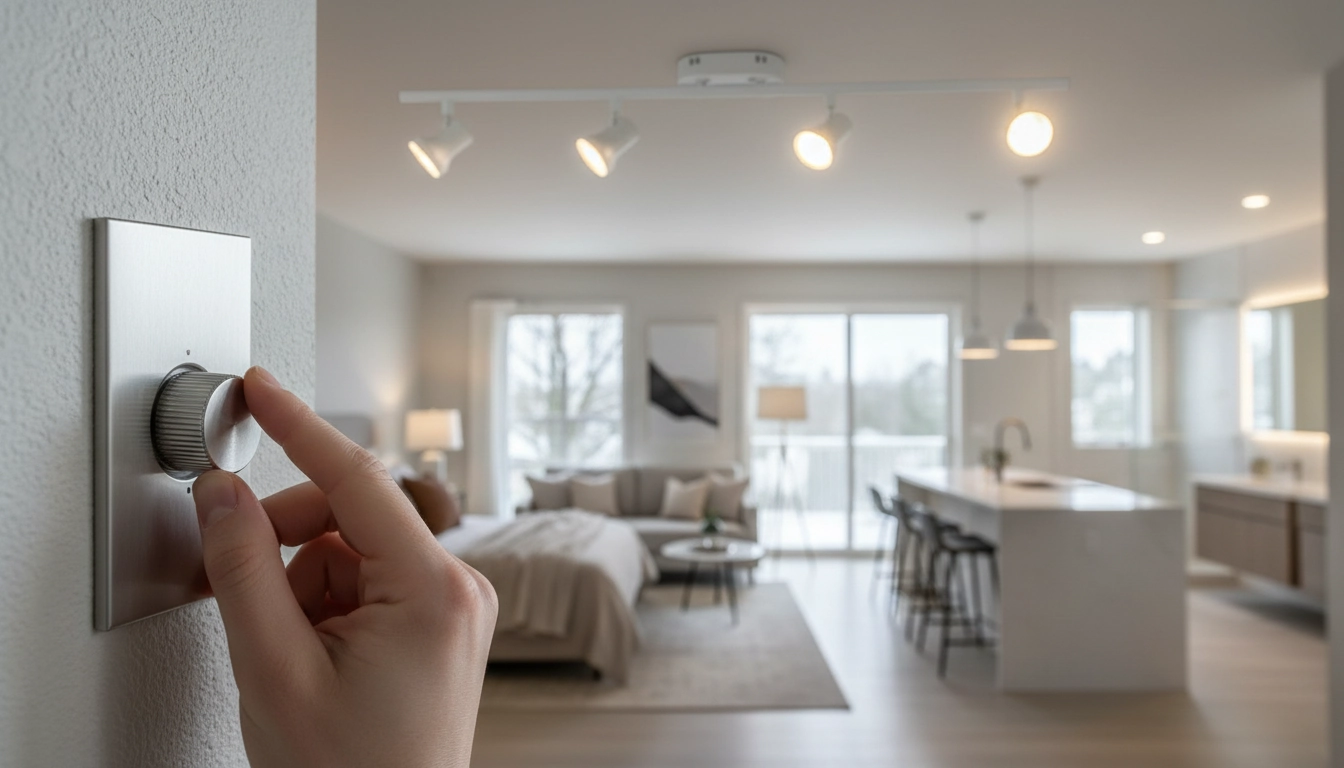
How many lumens do I need for a bedroom, living room, kitchen, and bathroom to keep lighting balanced?
A balanced home uses layered light—ambient (overall), task (focused), and accent (decorative)—so each room feels bright enough without being harsh. A simple way to estimate is lumens per square foot (lm/ft²), then add task lighting where you need it most. Dimmers help fine-tune levels as daylight and activities change.
Bedroom lumens
Plan for about 10–20 lm/ft² for ambient light. That’s roughly 1,000–2,000 lumens in a typical 10×12 bedroom (120 ft²). Add 400–800 lumens per bedside lamp for reading, and keep overhead lighting on a dimmer for a softer evening feel.
Living room lumens
Aim for 10–20 lm/ft² for general lighting, or about 2,000–4,000 lumens for a 200 ft² living room. Instead of one powerful ceiling light, spread light across floor lamps, table lamps, and wall lighting; this reduces glare and keeps the room comfortable for TV, conversation, and relaxing.
Kitchen lumens
Kitchens need more output and better placement: target 30–40 lm/ft² overall (about 3,000–4,000 lumens for 100 ft²) plus strong task lighting at counters. Under-cabinet lights should deliver bright, shadow-free work light—often an additional 2,000–4,000 lumens total depending on counter length and how much cooking you do.
Bathroom lumens
For ambient light, use 20–40 lm/ft² (1,000–2,000 lumens in a 50 ft² bathroom). At the vanity, prioritize even face lighting: about 1,200–2,000 lumens split between fixtures at eye level (sconces) or a wide, diffuse bar above the mirror. For more placement and layering tips, see this guide to balanced home lighting.
FAQ
Do I need dimmers to keep lighting from feeling too bright?
Dimmers make it easy to dial back overhead lights at night, boost light for cleaning, and balance multiple sources in the same room. They’re especially helpful in bedrooms and living rooms where activities change throughout the day.
Recommended for you


Heated Massage Mattress Overnight: Use a Timer?
Aug 11, 2026










Leave a comment