-
Shop
- Advanced Technologies
- AI Skills
- Bathroom
- Best-Sellers
- Car Accessories
- Confidence
- Dating & Social Skills
- Digital Resources
- AI & Technology
- Beauty
- Budgeting & Saving
- Car Buying & Ownership
- Cozy Feast Collection
- Electronics & Technology
- Entrepreneurship & Business Growth
- Financial Education
- Financial Independence
- Financial Mindset & Psychology
- Goal Setting
- Home Styling & Organization
- Kitchen & Recipes
- Leadership
- Mindfulness
- Mindset
- Online Business
- Parenting & Child Development
- Personal Style & Fashion
- Pet Lifestyle & Wellness
- Positive Thinking
- Sleep Improvement
- Smart Life with AI
- Stress Management & Relaxation
- Travel Planning
- Wellness
- Yoga & Fitness
- Yoga & Mind-Body Practices
- Education & Learning
- Family & Parenting
- Fashion
- Accessories
- Alexander McQueen
- Bags
- Bags & Wallets
- Balenciaga
- Belts
- Blazers
- Bottega Veneta
- Bottoms
- Brunello Cucinelli
- Burberry
- Chanel
- Chloé
- Dior
- Dolce & Gabbana
- Dresses
- Etro
- Fendi
- Gucci
- Hats & Hair Accessories
- Hoodies & Sweatshirts
- Jacquemus
- Jewelry
- Jil Sander
- Kiton
- Luggage
- Miu Miu
- Off-White
- Outerwear
- Prada
- Rick Owens
- Saint Laurent
- Shoes
- Socks & Tights
- Sweaters & Cardigans
- The Row
- Tom Ford
- Tops & Shirts
- Valentino
- Valentino Garavani
- Versace
- Vivienne Westwood
- Watches
- Fashion Accessories
- Furniture
- Gadgets
- Health & Beauty
- Health & Wellness
- Home & Garden
- Home Decor
- Home Electronics
- Home Supplies
- Kids & Babies
- Kitchen
- Kitchen Best-Sellers
- Lighting
- Patio, Lawn & Garden
- Personal Growth
- Pet Care
- Pet Supplies
- Pets
- Sport & Outdoors
- Super Deals
- Travel
- Travel & Adventure
- Wealth
- Popular
- Best deals
Buying a Second Hand Cat Tree: Safety & Cleaning Tips
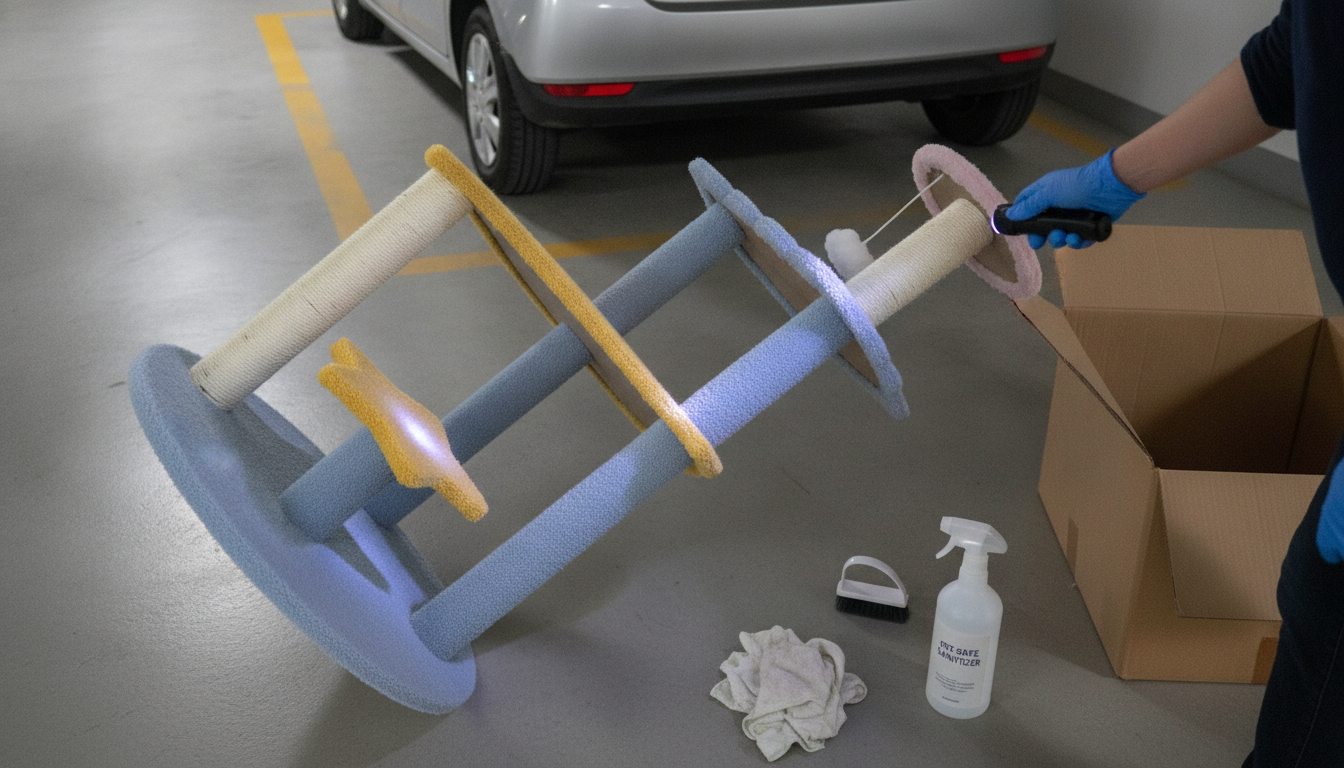
Can I buy a second hand cat tree?
Yes—buying a second hand cat tree can be a smart way to save money, but it’s worth being selective. A used cat tree can also bring hidden issues like lingering odors, parasites, unstable posts, or worn fabrics that don’t hold up to scratching and climbing. The key is to inspect it carefully and sanitize it properly before your cat uses it.
What to check before you bring it home
Stability and safety
Shake the structure gently. If it wobbles, leans, or has cracked particleboard, it may not be safe—especially for larger or more active cats. Check that platforms are firmly attached and that no staples, nails, or splintered edges are exposed.
Wear on scratching posts and fabric
Look for posts that are unraveling down to the core, carpet that’s peeling, or plush that’s torn. Moderate wear is normal, but if the underlying frame is damaged, repairs may not be worth it.
Signs of pests or contamination
Avoid items with visible flea dirt, insects, or a musty smell. If the cat tree came from a home with an unknown health history (e.g., recent illness), it’s safer to pass.
How to clean and sanitize a used cat tree
Start by vacuuming thoroughly, including seams and corners. If the covers are removable, wash them on the hottest setting safe for the fabric and dry completely. For non-removable parts, spot-clean with an enzyme cleaner made for pet odors; allow full drying time to prevent mildew. If possible, place the cat tree in a warm, dry area with good airflow for a day before use.
When it’s better to buy new
If the tree has persistent odor after cleaning, feels structurally weak, or has extensive damage, it’s often more cost-effective to replace it. Cats rely on vertical space for confidence and play, so a sturdy, clean setup matters.
For a deeper checklist and more buying tips, visit the main guide on buying a second hand cat tree.
FAQ
How do I get rid of cat smell in a used cat tree?
Vacuum first, then use an enzyme-based pet odor cleaner on fabric and crevices. Let it dry completely, and repeat if the odor is strong; persistent smells usually mean the padding has absorbed too much and may not be salvageable.
Recommended for you



Using Alexa Drop In Away From Home: Setup & Tips
Jun 21, 2026
Antique European Wrought Iron Floral Wall Art Guide
Jun 21, 2026













Leave a comment