-
Shop
- Advanced Technologies
- AI Skills
- Bathroom
- Best-Sellers
- Car Accessories
- Confidence
- Dating & Social Skills
- Digital Resources
- AI & Technology
- Beauty
- Budgeting & Saving
- Car Buying & Ownership
- Cozy Feast Collection
- Electronics & Technology
- Entrepreneurship & Business Growth
- Financial Education
- Financial Independence
- Financial Mindset & Psychology
- Goal Setting
- Home Styling & Organization
- Kitchen & Recipes
- Leadership
- Mindfulness
- Mindset
- Online Business
- Parenting & Child Development
- Personal Style & Fashion
- Pet Lifestyle & Wellness
- Positive Thinking
- Sleep Improvement
- Smart Life with AI
- Stress Management & Relaxation
- Travel Planning
- Wellness
- Yoga & Fitness
- Yoga & Mind-Body Practices
- Education & Learning
- Family & Parenting
- Fashion
- Accessories
- Alexander McQueen
- Bags
- Bags & Wallets
- Balenciaga
- Belts
- Blazers
- Bottega Veneta
- Bottoms
- Brunello Cucinelli
- Burberry
- Chanel
- Chloé
- Dior
- Dolce & Gabbana
- Dresses
- Etro
- Fendi
- Gucci
- Hats & Hair Accessories
- Hoodies & Sweatshirts
- Jacquemus
- Jewelry
- Jil Sander
- Kiton
- Luggage
- Miu Miu
- Off-White
- Outerwear
- Prada
- Rick Owens
- Saint Laurent
- Shoes
- Socks & Tights
- Sweaters & Cardigans
- The Row
- Tom Ford
- Tops & Shirts
- Valentino
- Valentino Garavani
- Versace
- Vivienne Westwood
- Watches
- Fashion Accessories
- Furniture
- Gadgets
- Health & Beauty
- Health & Wellness
- Home & Garden
- Home Decor
- Home Electronics
- Home Supplies
- Kids & Babies
- Kitchen
- Kitchen Best-Sellers
- Lighting
- Patio, Lawn & Garden
- Personal Growth
- Pet Care
- Pet Supplies
- Pets
- Sport & Outdoors
- Super Deals
- Travel
- Travel & Adventure
- Wealth
- Popular
- Best deals
2026 Wall Art Trends: Texture, Oversized & Personal
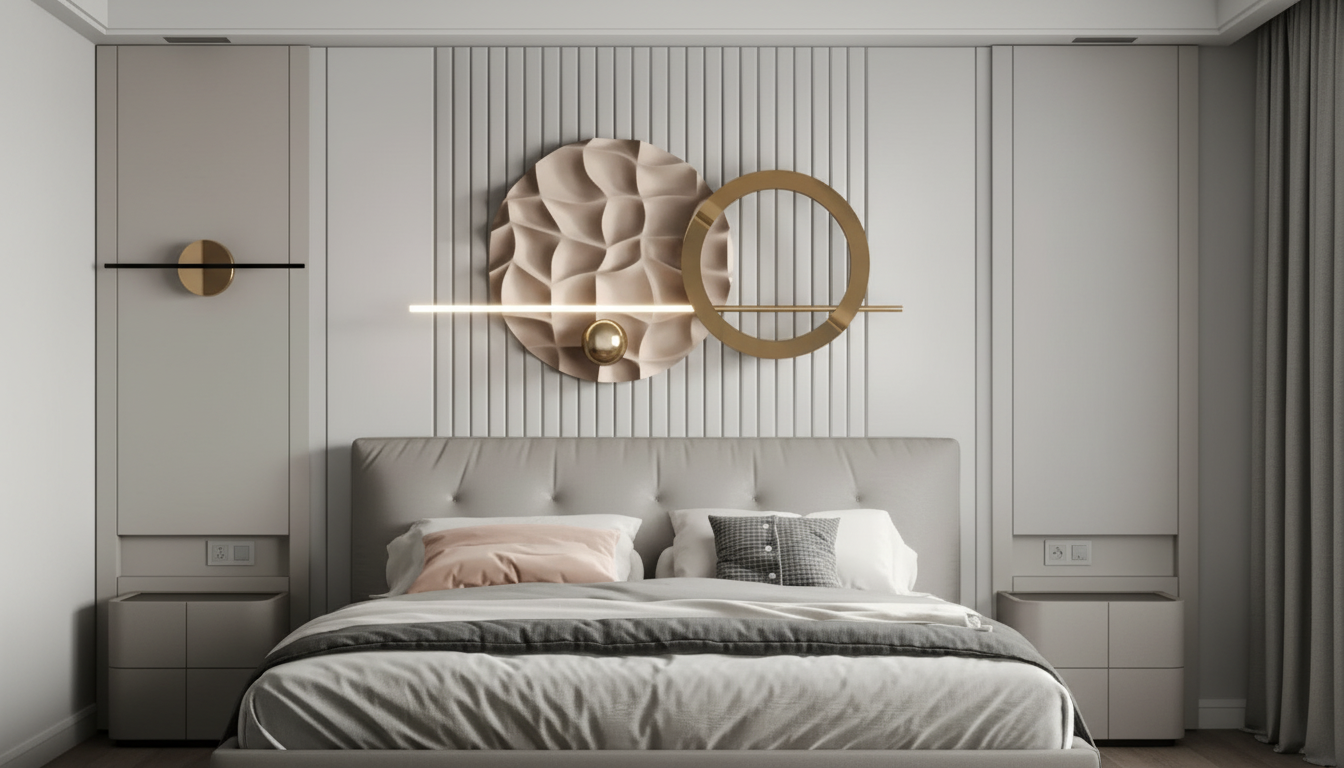
What is the trend in wall art in 2026?
Wall art trends in 2026 lean into personality-first spaces: more texture, more story, and more flexibility. Instead of matching everything perfectly, people are mixing mediums and scales to make rooms feel collected over time. Expect walls to do more than “fill space”—they’re becoming focal points that add warmth, depth, and mood.
Top wall art trends shaping 2026
Textural statement pieces: Raised surfaces are everywhere—think plaster-style finishes, 3D panels, carved wood, woven fibers, and mixed-media canvases. Texture reads as “designer” even in simple color palettes.
Oversized art and bold placement: One large piece (or a tight pair) is replacing cluttered arrangements. Bigger art feels cleaner and more intentional, especially over sofas, beds, and dining buffets.
Curated gallery walls with varied formats: Gallery walls are still popular, but less uniform. Frames mix with unframed prints, small objects, and sculptural elements. The best ones use a consistent color story while letting shapes and sizes vary.
Nature-inspired themes and calming palettes: Organic abstracts, landscapes, botanical forms, and earth tones continue to dominate—soft greens, sand, clay, and charcoal. These pair well with biophilic interiors and natural materials.
Personal and place-driven art: Artwork tied to travel, local makers, family photos (printed like fine art), and custom typography adds meaning. The trend is less about following a style and more about reflecting who lives there.
How to choose wall art that feels current in 2026
Start with the mood you want—calm, energetic, romantic, or modern—and pick one anchoring piece. Then add supporting art that echoes one element (color, texture, or subject). If you’re unsure, choose a neutral textured piece and build around it over time.
For more examples and ideas, visit the main guide on wall art trends.
FAQ
How do I pick the right size wall art for my space?
Aim for art that spans about two-thirds to three-quarters of the width of the furniture beneath it. When in doubt, go larger—small art tends to look lost unless it’s part of a grouped arrangement.
Recommended for you
Style Goals Explained: Build a Wardrobe That Works
Jul 20, 2026









Leave a comment