-
Shop
- Advanced Technologies
- AI Skills
- Bathroom
- Best-Sellers
- Car Accessories
- Confidence
- Dating & Social Skills
- Digital Resources
- AI & Technology
- Beauty
- Budgeting & Saving
- Car Buying & Ownership
- Cozy Feast Collection
- Electronics & Technology
- Entrepreneurship & Business Growth
- Financial Education
- Financial Independence
- Financial Mindset & Psychology
- Goal Setting
- Home Styling & Organization
- Kitchen & Recipes
- Leadership
- Mindfulness
- Mindset
- Online Business
- Parenting & Child Development
- Personal Style & Fashion
- Pet Lifestyle & Wellness
- Positive Thinking
- Sleep Improvement
- Smart Life with AI
- Stress Management & Relaxation
- Travel Planning
- Wellness
- Yoga & Fitness
- Yoga & Mind-Body Practices
- Education & Learning
- Family & Parenting
- Fashion
- Accessories
- Alexander McQueen
- Bags
- Bags & Wallets
- Balenciaga
- Belts
- Blazers
- Bottega Veneta
- Bottoms
- Brunello Cucinelli
- Burberry
- Chanel
- Chloé
- Dior
- Dolce & Gabbana
- Dresses
- Etro
- Fendi
- Gucci
- Hats & Hair Accessories
- Hoodies & Sweatshirts
- Jacquemus
- Jewelry
- Jil Sander
- Kiton
- Luggage
- Miu Miu
- Off-White
- Outerwear
- Prada
- Rick Owens
- Saint Laurent
- Shoes
- Socks & Tights
- Sweaters & Cardigans
- The Row
- Tom Ford
- Tops & Shirts
- Valentino
- Valentino Garavani
- Versace
- Vivienne Westwood
- Watches
- Fashion Accessories
- Furniture
- Gadgets
- Health & Beauty
- Health & Wellness
- Home & Garden
- Home Decor
- Home Electronics
- Home Supplies
- Kids & Babies
- Kitchen
- Kitchen Best-Sellers
- Lighting
- Patio, Lawn & Garden
- Personal Growth
- Pet Care
- Pet Supplies
- Pets
- Sport & Outdoors
- Super Deals
- Travel
- Travel & Adventure
- Wealth
- Popular
- Best deals
Quickest Way to Improve Your Credit Score: Utilization
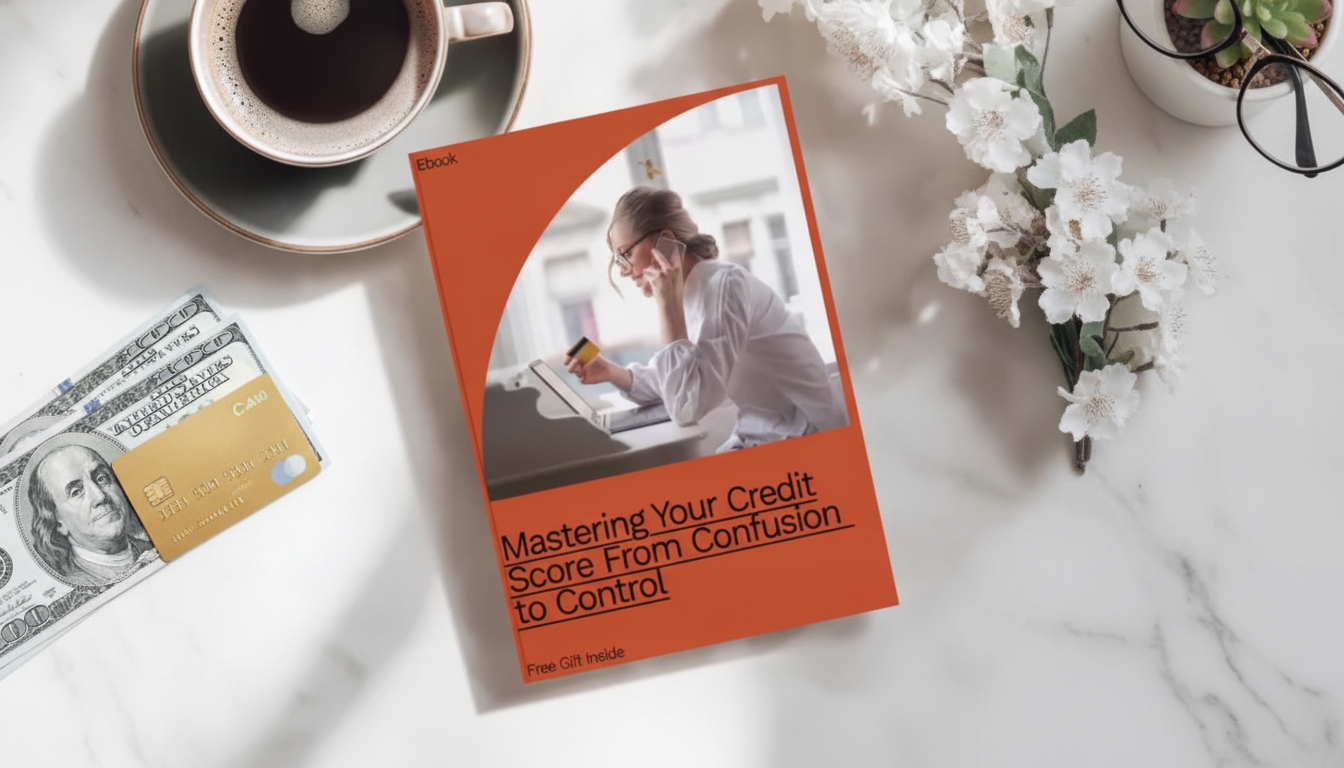
What is the quickest method of improving your credit score?
The fastest way to improve your credit score is to lower your credit utilization—ideally to under 10% (and at minimum under 30%)—and make every payment on time. Utilization can change as soon as your card issuer reports a new balance to the credit bureaus, which is why paying down revolving balances often produces the quickest visible gains.
Why utilization moves the needle the fastest
Credit scoring models heavily weigh how much of your available revolving credit you’re using. If you’re close to your limits, even with perfect payment history, your score can drop. Paying a card down from, say, 90% utilization to 20% can meaningfully improve your score once that lower balance is reported.
Quick steps that can show results within a billing cycle
- Pay down credit card balances with the goal of getting each card (and your total) below 30%, then toward 10% or less.
- Make an extra payment before the statement closes to reduce the balance that gets reported.
- Keep all accounts current; set autopay for at least the minimum to prevent accidental late payments.
- Dispute clear credit report errors (wrong late payments, incorrect balances, accounts that aren’t yours). Legit errors can be removed, which may lift your score.
- Avoid new hard inquiries and opening multiple new accounts while you’re trying to boost your score quickly.
What to avoid when trying to improve fast
Don’t close old credit cards just to “clean up” accounts—this can shrink your available credit and raise utilization. Also, don’t max out a card and pay it off later; the reported statement balance is what often matters most for utilization.
For a practical breakdown of the main scoring factors and a simple month-long plan, see the full guide here: credit score basics and 30-day reset plan.
FAQ
How long does it take to raise your credit score to 300 points?
A 300-point increase usually takes many months to a few years, depending on what’s hurting your score (late payments, high utilization, collections, or thin credit history). The biggest jumps come after sustained on-time payments and major balance reductions, and negative items typically fade in impact over time.
How quickly can I get my credit score from 500 to 700?
Moving from 500 to 700 can take anywhere from a few months to a couple of years. If the low score is mainly due to high utilization, paying balances down quickly can help; if it involves serious delinquencies or collections, improvement is usually slower and depends on rebuilding positive history.
Recommended for you



Credit Score Basics: 5 Factors + a 30-Day Reset Plan
Jul 26, 2026
How Fast Can Your Credit Score Jump 300 Points?
Jul 26, 2026













Leave a comment