-
Shop
- Advanced Technologies
- AI Skills
- Bathroom
- Best-Sellers
- Car Accessories
- Confidence
- Dating & Social Skills
- Digital Resources
- AI & Technology
- Beauty
- Budgeting & Saving
- Car Buying & Ownership
- Cozy Feast Collection
- Electronics & Technology
- Entrepreneurship & Business Growth
- Financial Education
- Financial Independence
- Financial Mindset & Psychology
- Goal Setting
- Home Styling & Organization
- Kitchen & Recipes
- Leadership
- Mindfulness
- Mindset
- Online Business
- Parenting & Child Development
- Personal Style & Fashion
- Pet Lifestyle & Wellness
- Positive Thinking
- Sleep Improvement
- Smart Life with AI
- Stress Management & Relaxation
- Travel Planning
- Wellness
- Yoga & Fitness
- Yoga & Mind-Body Practices
- Education & Learning
- Family & Parenting
- Fashion
- Accessories
- Alexander McQueen
- Bags
- Bags & Wallets
- Balenciaga
- Belts
- Blazers
- Bottega Veneta
- Bottoms
- Brunello Cucinelli
- Burberry
- Chanel
- Chloé
- Dior
- Dolce & Gabbana
- Dresses
- Etro
- Fendi
- Gucci
- Hats & Hair Accessories
- Hoodies & Sweatshirts
- Jacquemus
- Jewelry
- Jil Sander
- Kiton
- Luggage
- Miu Miu
- Off-White
- Outerwear
- Prada
- Rick Owens
- Saint Laurent
- Shoes
- Socks & Tights
- Sweaters & Cardigans
- The Row
- Tom Ford
- Tops & Shirts
- Valentino
- Valentino Garavani
- Versace
- Vivienne Westwood
- Watches
- Fashion Accessories
- Furniture
- Gadgets
- Health & Beauty
- Health & Wellness
- Home & Garden
- Home Decor
- Home Electronics
- Home Supplies
- Kids & Babies
- Kitchen
- Kitchen Best-Sellers
- Lighting
- Patio, Lawn & Garden
- Personal Growth
- Pet Care
- Pet Supplies
- Pets
- Sport & Outdoors
- Super Deals
- Travel
- Travel & Adventure
- Wealth
- Popular
- Best deals
The Most Effective Dog Training Method: Reward-Based Tips
What is the most effective dog training method?
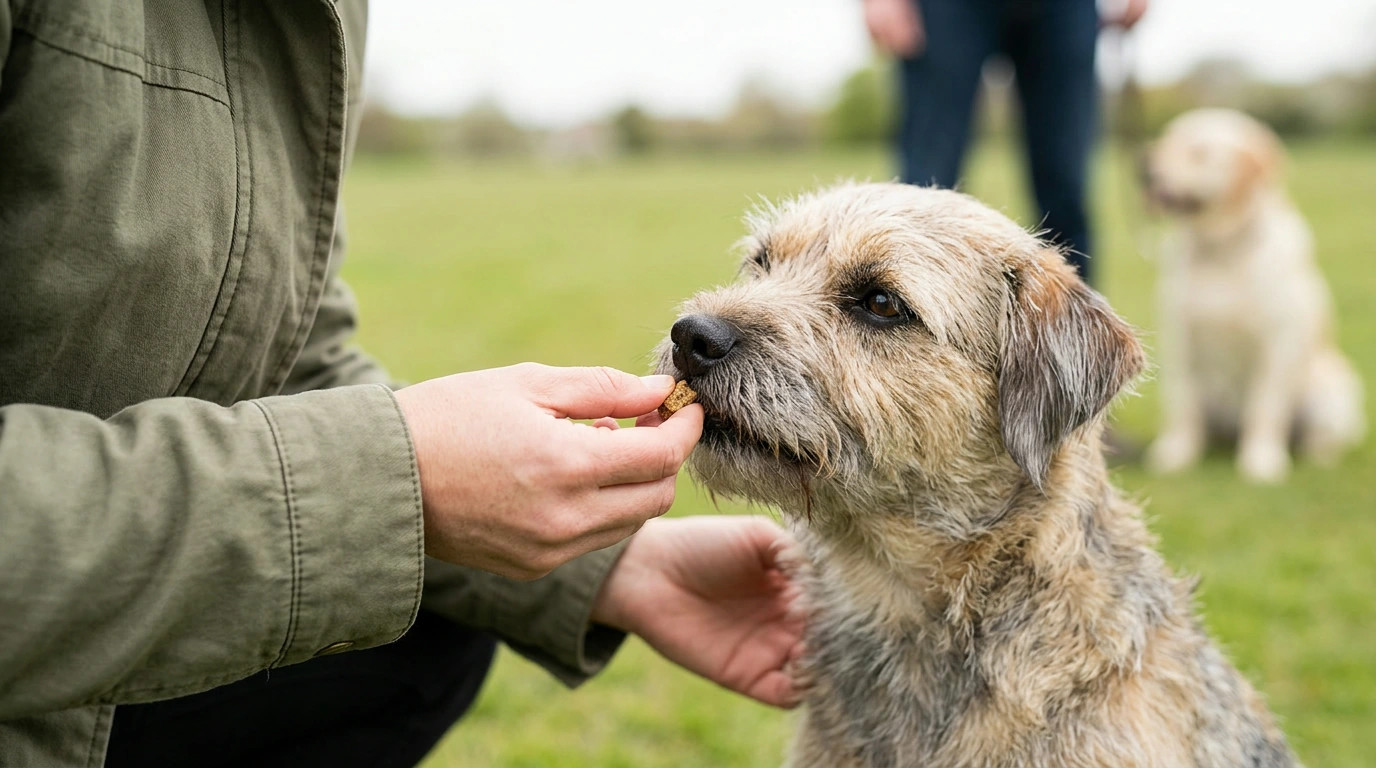
For most dogs, reward-based training is the most effective and practical approach. It teaches your dog which behaviors earn something they enjoy, such as a small treat, a favorite toy, or warm praise. By rewarding the behavior you want and making it easy to repeat, you can build reliable habits while supporting a trusting relationship.
Start with one clear cue and reward your dog as soon as they respond. For example, when teaching “sit,” mark the moment their bottom touches the floor with “yes,” then give a treat. Keep sessions short, upbeat, and consistent, and practice in a quiet place before adding distractions.
How do you make reward-based training work?
What rewards should you use?
Choose something your dog is eager to earn. Soft, pea-sized treats are useful for repeated practice, while a quick game of tug or enthusiastic praise may work well for a dog who loves play or attention. Use part of your dog’s daily food allowance for training when possible, and adjust meals to account for extra treats.
When should you reward your dog?
Timing matters: reward the behavior immediately so your dog can connect the action with the outcome. Once your dog understands a cue, gradually practice in different rooms, outdoors, and around mild distractions. Continue to reward good responses, especially when the situation is challenging.
What should you do when your dog gets it wrong?
Pause and make the task easier. Move farther from a distraction, return to a familiar setting, or reward a smaller step toward the behavior. Avoid yelling, physical punishment, and equipment intended to cause pain; these can create fear and interfere with learning.
Which training tools are worth choosing?
Our team recommends starting with simple tools: small treats, a treat pouch, and a comfortable leash and harness for outdoor practice. A clicker can help you mark the exact behavior you want, although a consistent word such as “yes” works too. Choose a harness that allows normal movement and does not rub, and supervise your dog with any training toy.
For a structured routine, explore our guide to the 10-in-1 dog training pack and daily calm habits. If your dog shows aggression, intense fear, or a sudden change in behavior, consult your veterinarian and a qualified reward-based trainer.
FAQ
What words do dogs love to hear the most?
Dogs often respond happily to familiar words associated with rewards or activities they enjoy, such as “walk,” “treat,” or “good dog.” Your tone and the positive experiences connected to the words matter more than the words themselves.
Recommended for you


What Is the Most Well-Behaved Dog? Top Breeds
Nov 20, 2026
Four Pillars of Self-Esteem and How to Build Them
Nov 20, 2026













Leave a comment