-
Shop
- Advanced Technologies
- AI Skills
- Bathroom
- Best-Sellers
- Car Accessories
- Confidence
- Dating & Social Skills
- Digital Resources
- AI & Technology
- Beauty
- Budgeting & Saving
- Car Buying & Ownership
- Cozy Feast Collection
- Electronics & Technology
- Entrepreneurship & Business Growth
- Financial Education
- Financial Independence
- Financial Mindset & Psychology
- Goal Setting
- Home Styling & Organization
- Kitchen & Recipes
- Leadership
- Mindfulness
- Mindset
- Online Business
- Parenting & Child Development
- Personal Style & Fashion
- Pet Lifestyle & Wellness
- Positive Thinking
- Sleep Improvement
- Smart Life with AI
- Stress Management & Relaxation
- Travel Planning
- Wellness
- Yoga & Fitness
- Yoga & Mind-Body Practices
- Education & Learning
- Family & Parenting
- Fashion
- Accessories
- Alexander McQueen
- Bags
- Bags & Wallets
- Balenciaga
- Belts
- Blazers
- Bottega Veneta
- Bottoms
- Brunello Cucinelli
- Burberry
- Chanel
- Chloé
- Dior
- Dolce & Gabbana
- Dresses
- Etro
- Fendi
- Gucci
- Hats & Hair Accessories
- Hoodies & Sweatshirts
- Jacquemus
- Jewelry
- Jil Sander
- Kiton
- Luggage
- Miu Miu
- Off-White
- Outerwear
- Prada
- Rick Owens
- Saint Laurent
- Shoes
- Socks & Tights
- Sweaters & Cardigans
- The Row
- Tom Ford
- Tops & Shirts
- Valentino
- Valentino Garavani
- Versace
- Vivienne Westwood
- Watches
- Fashion Accessories
- Furniture
- Gadgets
- Health & Beauty
- Health & Wellness
- Home & Garden
- Home Decor
- Home Electronics
- Home Supplies
- Kids & Babies
- Kitchen
- Kitchen Best-Sellers
- Lighting
- Patio, Lawn & Garden
- Personal Growth
- Pet Care
- Pet Supplies
- Pets
- Sport & Outdoors
- Super Deals
- Travel
- Travel & Adventure
- Wealth
- Popular
- Best deals
Most Effective Dental Treatment for Dogs: A Vet Guide
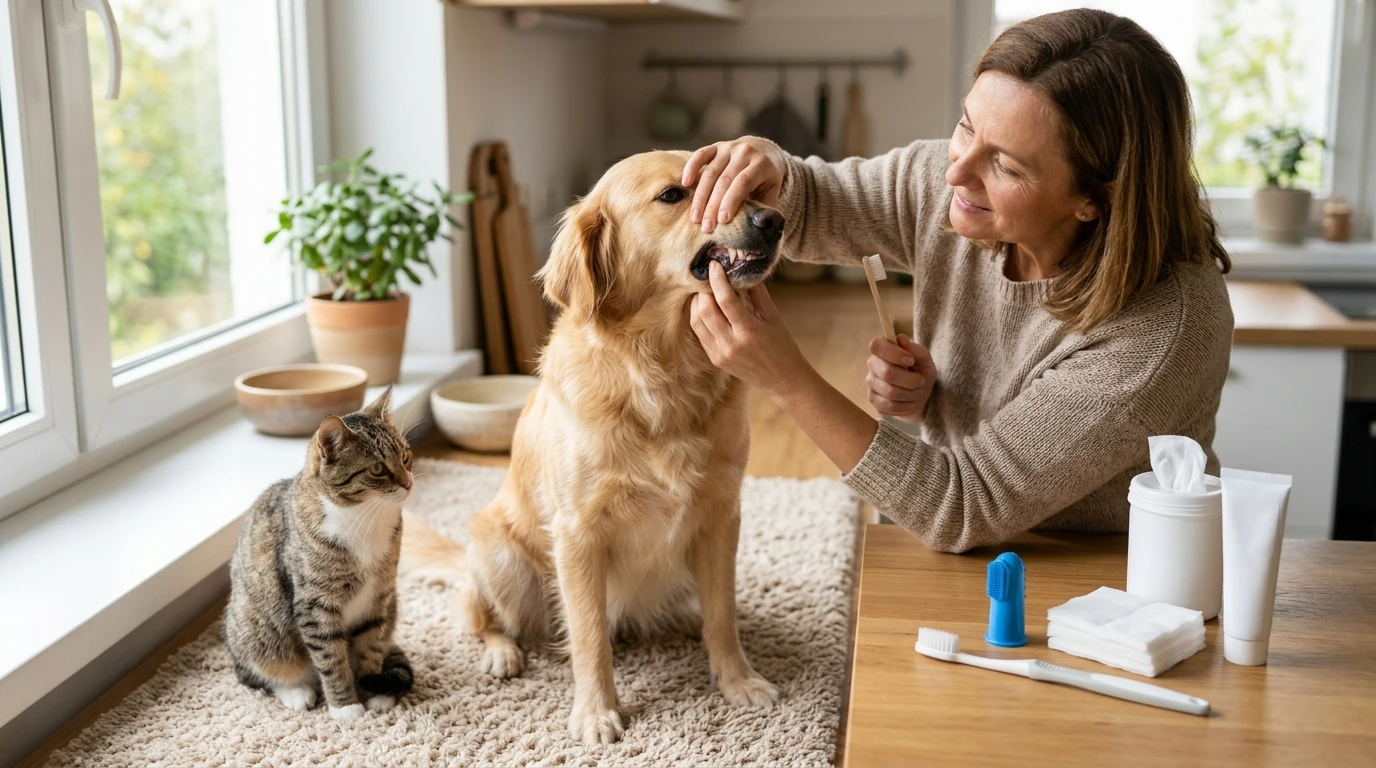
What is the most effective dental treatment for dogs?
The most effective treatment for established dental disease is a professional veterinary dental cleaning under general anesthesia, with dental X-rays and treatment tailored to your dog’s needs. For everyday prevention, regular toothbrushing is the most effective home-care habit. The two work together: brushing helps control plaque, but it cannot remove hardened tartar or treat disease below the gumline.
When does your dog need a professional cleaning?
Your veterinarian can examine your dog’s mouth and recommend a cleaning based on the condition of the teeth and gums. Bad breath, red or bleeding gums, visible tartar, loose teeth, and difficulty chewing are reasons to schedule an appointment. Some dogs continue eating despite significant mouth pain, so an annual veterinary exam remains important even when you notice no symptoms.
During an anesthetized dental procedure, the veterinary team can clean above and below the gumline, take dental X-rays, and evaluate areas that are difficult to assess while a dog is awake. If a tooth is diseased, treatment may include extraction or another procedure. A cleaning performed without anesthesia cannot provide the same thorough evaluation or treatment below the gums.
How can you maintain cleaner teeth at home?
Brush your dog’s teeth daily when possible, using a soft toothbrush sized for your dog and toothpaste made specifically for pets. Human toothpaste can contain ingredients that are unsafe for dogs. Introduce brushing gradually: let your dog taste the pet toothpaste, gently lift the lips, and work toward brushing the outer surfaces of the teeth along the gumline.
If your dog resists, keep sessions short and reward calm behavior. Pain can make brushing uncomfortable, so contact your veterinarian if your dog pulls away suddenly, bleeds, or shows other signs of oral discomfort.
Which dental products are worth considering?
Dental chews, diets, wipes, and water additives can support a brushing routine, but they do not replace brushing or veterinary treatment. Look for products with the Veterinary Oral Health Council (VOHC) seal, which indicates that a product meets standards for controlling plaque or tartar.
Choose a chew appropriate for your dog’s size and chewing habits, supervise use, and remove small or broken pieces that could be swallowed. Avoid very hard chews that could fracture teeth. Our team recommends asking your veterinarian which options suit your dog, especially if your dog has dental pain or a history of digestive problems.
For a practical routine, explore our guide to at-home pet dental care for dogs and cats.
FAQ
How often should I brush my dog’s teeth?
Daily brushing is ideal for controlling plaque. If you are starting out, build up gradually from short sessions and make the experience positive for your dog.
Recommended for you



What Pets Are Available at Pets at Home? A Guide
Nov 20, 2026













Leave a comment