-
Shop
- Advanced Technologies
- AI Skills
- Bathroom
- Best-Sellers
- Car Accessories
- Confidence
- Dating & Social Skills
- Digital Resources
- AI & Technology
- Beauty
- Budgeting & Saving
- Car Buying & Ownership
- Cozy Feast Collection
- Electronics & Technology
- Entrepreneurship & Business Growth
- Financial Education
- Financial Independence
- Financial Mindset & Psychology
- Goal Setting
- Home Styling & Organization
- Kitchen & Recipes
- Leadership
- Mindfulness
- Mindset
- Online Business
- Parenting & Child Development
- Personal Style & Fashion
- Pet Lifestyle & Wellness
- Positive Thinking
- Sleep Improvement
- Smart Life with AI
- Stress Management & Relaxation
- Travel Planning
- Wellness
- Yoga & Fitness
- Yoga & Mind-Body Practices
- Education & Learning
- Family & Parenting
- Fashion
- Accessories
- Alexander McQueen
- Bags
- Bags & Wallets
- Balenciaga
- Belts
- Blazers
- Bottega Veneta
- Bottoms
- Brunello Cucinelli
- Burberry
- Chanel
- Chloé
- Dior
- Dolce & Gabbana
- Dresses
- Etro
- Fendi
- Gucci
- Hats & Hair Accessories
- Hoodies & Sweatshirts
- Jacquemus
- Jewelry
- Jil Sander
- Kiton
- Luggage
- Miu Miu
- Off-White
- Outerwear
- Prada
- Rick Owens
- Saint Laurent
- Shoes
- Socks & Tights
- Sweaters & Cardigans
- The Row
- Tom Ford
- Tops & Shirts
- Valentino
- Valentino Garavani
- Versace
- Vivienne Westwood
- Watches
- Fashion Accessories
- Furniture
- Gadgets
- Health & Beauty
- Health & Wellness
- Home & Garden
- Home Decor
- Home Electronics
- Home Supplies
- Kids & Babies
- Kitchen
- Kitchen Best-Sellers
- Lighting
- Patio, Lawn & Garden
- Personal Growth
- Pet Care
- Pet Supplies
- Pets
- Sport & Outdoors
- Super Deals
- Travel
- Travel & Adventure
- Wealth
- Popular
- Best deals
AI-Powered vs. AI-Driven: What Smart Camera Buyers Should Know
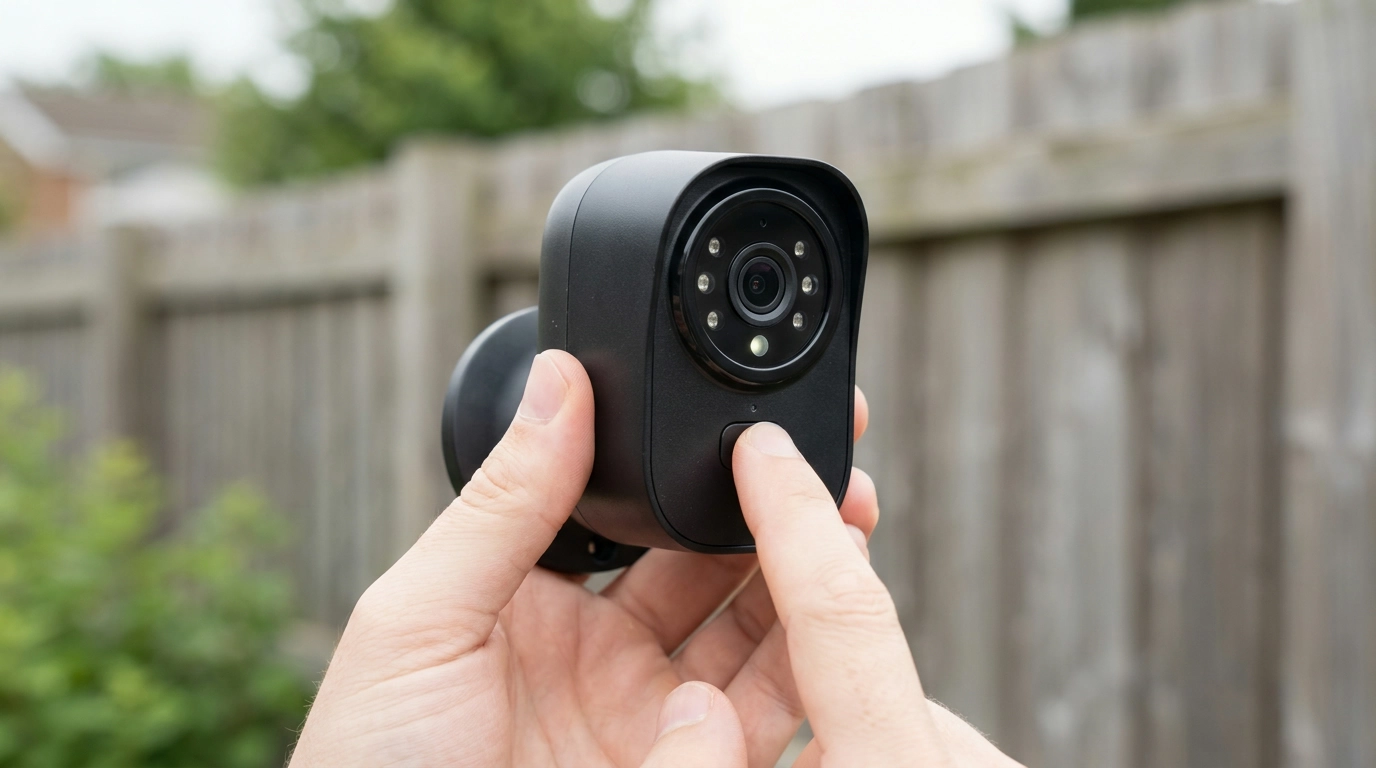
What Is the Difference Between AI-Powered and AI-Driven?
AI-powered usually means artificial intelligence helps a product perform a particular task. AI-driven usually means AI plays a larger role in how the product makes decisions or runs its core functions. The terms are not strict technical standards, though, so the feature description matters more than the label.
How the Difference Shows Up in a Smart Camera
An AI-powered camera might use AI to distinguish a person from a passing car before sending you an alert. You still choose when to review the footage and what to do next. The AI assists with one part of the experience.
An AI-driven camera might use AI across several connected steps, such as identifying activity, prioritizing alerts, and adjusting how events are categorized. That does not necessarily mean the camera acts without your input. Its behavior depends on the controls the manufacturer provides and the settings you choose.
Which Label Should You Look For?
We recommend starting with the job you want the product to do. If you mainly want fewer alerts from routine motion, look for clearly described person, vehicle, or animal detection. If you want the camera to sort events or tailor notifications, look at exactly how those features work and whether you can change or turn them off.
Then consider where the processing happens. On-device processing analyzes information on the camera; cloud processing sends information to a remote service for analysis. Either approach can support useful features, but it may affect your privacy preferences, internet requirements, and access to recordings. Our team also recommends confirming whether the features you want require a subscription before you buy.
For a closer look at camera settings, data handling, and practical buying questions, use our AI camera privacy checklist.
The Practical Takeaway
Choose based on what the camera actually does, not whether its packaging says “AI-powered” or “AI-driven.” A useful product description tells you what triggers an alert, which decisions you can control, where analysis takes place, and what happens when the internet is unavailable. Those details help you decide whether the camera fits your home and your comfort level with automated surveillance.
FAQ
Can you turn off AI features on a smart camera?
It depends on the camera. Look for separate controls for detection types, alert categories, recording, and cloud features so you can keep the functions you want without relying on every automated feature.
Recommended for you



MIT AI 6-Week Course Cost: How to Check Tuition
Oct 24, 2026













Leave a comment