-
Shop
- Advanced Technologies
- AI Skills
- Bathroom
- Best-Sellers
- Car Accessories
- Confidence
- Dating & Social Skills
- Digital Resources
- AI & Technology
- Beauty
- Budgeting & Saving
- Car Buying & Ownership
- Cozy Feast Collection
- Electronics & Technology
- Entrepreneurship & Business Growth
- Financial Education
- Financial Independence
- Financial Mindset & Psychology
- Goal Setting
- Home Styling & Organization
- Kitchen & Recipes
- Leadership
- Mindfulness
- Mindset
- Online Business
- Parenting & Child Development
- Personal Style & Fashion
- Pet Lifestyle & Wellness
- Positive Thinking
- Sleep Improvement
- Smart Life with AI
- Stress Management & Relaxation
- Travel Planning
- Wellness
- Yoga & Fitness
- Yoga & Mind-Body Practices
- Education & Learning
- Family & Parenting
- Fashion
- Accessories
- Alexander McQueen
- Bags
- Bags & Wallets
- Balenciaga
- Belts
- Blazers
- Bottega Veneta
- Bottoms
- Brunello Cucinelli
- Burberry
- Chanel
- Chloé
- Dior
- Dolce & Gabbana
- Dresses
- Etro
- Fendi
- Gucci
- Hats & Hair Accessories
- Hoodies & Sweatshirts
- Jacquemus
- Jewelry
- Jil Sander
- Kiton
- Luggage
- Miu Miu
- Off-White
- Outerwear
- Prada
- Rick Owens
- Saint Laurent
- Shoes
- Socks & Tights
- Sweaters & Cardigans
- The Row
- Tom Ford
- Tops & Shirts
- Valentino
- Valentino Garavani
- Versace
- Vivienne Westwood
- Watches
- Fashion Accessories
- Furniture
- Gadgets
- Health & Beauty
- Health & Wellness
- Home & Garden
- Home Decor
- Home Electronics
- Home Supplies
- Kids & Babies
- Kitchen
- Kitchen Best-Sellers
- Lighting
- Patio, Lawn & Garden
- Personal Growth
- Pet Care
- Pet Supplies
- Pets
- Sport & Outdoors
- Super Deals
- Travel
- Travel & Adventure
- Wealth
- Popular
- Best deals
AI vs AI Powered: What’s the Real Difference?
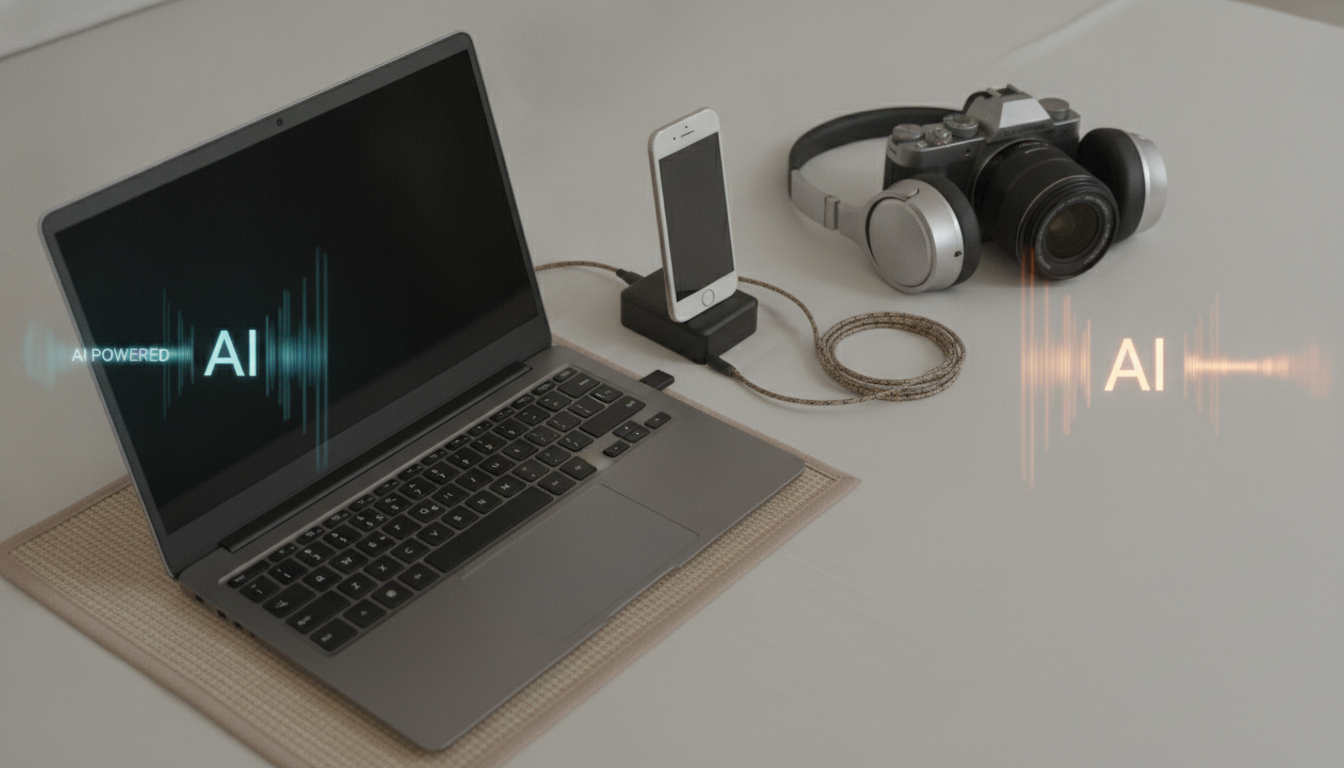
What is the difference between AI and AI powered?
“AI” (artificial intelligence) refers to the underlying technology itself: software models and methods that can recognize patterns, make predictions, generate outputs, or take actions based on data. It’s the engine—things like computer vision, speech recognition, and machine learning algorithms.
“AI powered” describes a product or feature that uses AI as one of its components. It’s a label applied to an end result—like a camera, app, or service—indicating that AI is helping it do something useful, such as identifying a person in a video feed, filtering alerts, or improving image quality in low light.
How the terms differ in real products
When a product is described as “AI,” it may be selling the capability or platform itself (for example, an AI model that detects objects). When it’s “AI powered,” the product is usually something broader—like a smart security camera—where AI is one ingredient alongside hardware, cloud storage, networking, and an app interface.
That distinction matters because “AI powered” doesn’t automatically tell you where the AI runs (on-device vs. in the cloud), what data it uses, how often it updates, or whether features require a subscription.
Why “AI powered” matters for privacy and control
In connected devices, “AI powered” features often involve processing video, audio, or behavioral patterns. Depending on the design, that processing may happen locally (on the device) or remotely (on a company’s servers). Local processing can reduce data exposure, while cloud processing can enable more advanced features but may increase sharing, retention, or account risks.
For practical guidance on safer smart surveillance—like choosing devices with better controls and reviewing privacy settings—see the full checklist here: AI camera privacy checklist for safer smart surveillance.
FAQ
Does “AI powered” always mean the device sends data to the cloud?
No. Some AI powered devices process data on-device (edge AI), while others rely on cloud servers; the difference is usually found in the product’s privacy disclosures and feature requirements.
Recommended for you



Trending Wall Art Right Now: Top Styles to Try
Jul 15, 2026













Leave a comment