-
Shop
- Advanced Technologies
- AI Skills
- Bathroom
- Best-Sellers
- Car Accessories
- Confidence
- Dating & Social Skills
- Digital Resources
- AI & Technology
- Beauty
- Budgeting & Saving
- Car Buying & Ownership
- Cozy Feast Collection
- Electronics & Technology
- Entrepreneurship & Business Growth
- Financial Education
- Financial Independence
- Financial Mindset & Psychology
- Goal Setting
- Home Styling & Organization
- Kitchen & Recipes
- Leadership
- Mindfulness
- Mindset
- Online Business
- Parenting & Child Development
- Personal Style & Fashion
- Pet Lifestyle & Wellness
- Positive Thinking
- Sleep Improvement
- Smart Life with AI
- Stress Management & Relaxation
- Travel Planning
- Wellness
- Yoga & Fitness
- Yoga & Mind-Body Practices
- Education & Learning
- Family & Parenting
- Fashion
- Accessories
- Alexander McQueen
- Bags
- Bags & Wallets
- Balenciaga
- Belts
- Blazers
- Bottega Veneta
- Bottoms
- Brunello Cucinelli
- Burberry
- Chanel
- Chloé
- Dior
- Dolce & Gabbana
- Dresses
- Etro
- Fendi
- Gucci
- Hats & Hair Accessories
- Hoodies & Sweatshirts
- Jacquemus
- Jewelry
- Jil Sander
- Kiton
- Luggage
- Miu Miu
- Off-White
- Outerwear
- Prada
- Rick Owens
- Saint Laurent
- Shoes
- Socks & Tights
- Sweaters & Cardigans
- The Row
- Tom Ford
- Tops & Shirts
- Valentino
- Valentino Garavani
- Versace
- Vivienne Westwood
- Watches
- Fashion Accessories
- Furniture
- Gadgets
- Health & Beauty
- Health & Wellness
- Home & Garden
- Home Decor
- Home Electronics
- Home Supplies
- Kids & Babies
- Kitchen
- Kitchen Best-Sellers
- Lighting
- Patio, Lawn & Garden
- Personal Growth
- Pet Care
- Pet Supplies
- Pets
- Sport & Outdoors
- Super Deals
- Travel
- Travel & Adventure
- Wealth
- Popular
- Best deals
Late Payments: The #1 Credit Score Killer (and Fixes)
What is the biggest killer of credit scores?
The biggest killer of credit scores is paying late—or missing payments entirely. Payment history is typically the most heavily weighted part of a credit score, so even one missed payment can cause a noticeable drop, especially if the account was previously spotless.
Why late payments hurt so much
Credit scoring models reward consistency. A payment that’s 30 days late can be reported to the credit bureaus, and the damage often grows with time: 60, 90, or 120+ days late generally looks worse than a single 30-day slip. Late payments can also trigger fees, penalty APRs, and a cycle where balances become harder to manage.
Other score killers that can rival late payments
While late payments are the biggest single factor for many people, a few issues can be similarly destructive:
- High credit utilization: Carrying balances close to your credit limits can drag scores down, even if you pay on time.
- Collections, charge-offs, and defaults: These are major negative marks and can stay on reports for years.
- Bankruptcy: One of the most severe items on a credit report, often affecting scores for a long time.
- Multiple hard inquiries in a short period: Can lower scores temporarily and may signal higher risk outside of rate-shopping windows.
How to protect your score fast
If late payments are the biggest threat, the best defense is automation and a buffer. Set autopay for at least the minimum due, turn on payment alerts, and schedule payments a few days before the due date. If you’ve already missed a payment, bring the account current ASAP and call the lender—some may offer a one-time courtesy waiver for fees, and in limited cases may consider a goodwill adjustment.
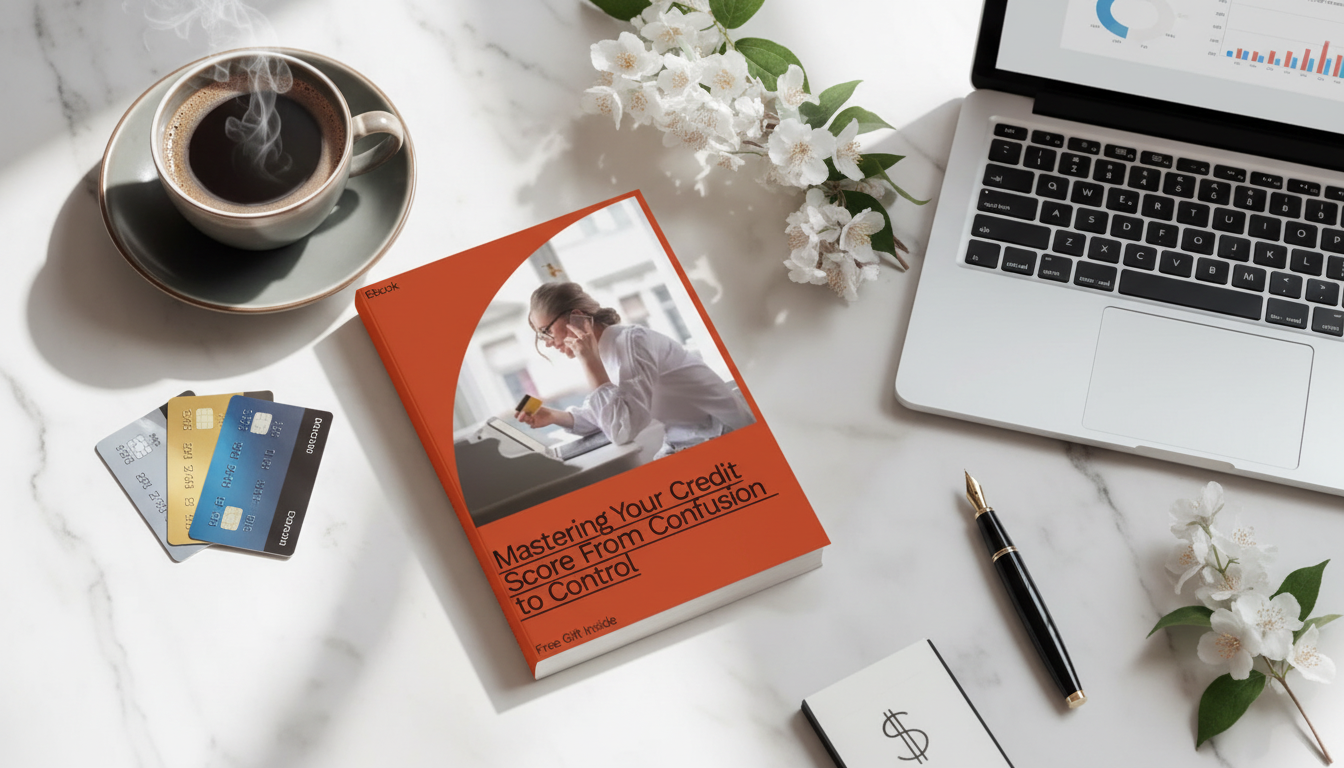
For a deeper breakdown of what impacts scores and a practical plan to improve them, see this credit score basics guide and 30-day reset plan.
FAQ
How long does it take to rebuild credit after a missed payment?
Scores can start improving within a few months of on-time payments, but the late mark can remain on your credit report for up to seven years. The impact typically fades over time as newer positive history builds.
Recommended for you



500 to 700 Credit Score: How Fast Can It Happen?
Jul 26, 2026













Leave a comment