-
Shop
- Advanced Technologies
- AI Skills
- Bathroom
- Best-Sellers
- Car Accessories
- Confidence
- Dating & Social Skills
- Digital Resources
- AI & Technology
- Beauty
- Budgeting & Saving
- Car Buying & Ownership
- Cozy Feast Collection
- Electronics & Technology
- Entrepreneurship & Business Growth
- Financial Education
- Financial Independence
- Financial Mindset & Psychology
- Goal Setting
- Home Styling & Organization
- Kitchen & Recipes
- Leadership
- Mindfulness
- Mindset
- Online Business
- Parenting & Child Development
- Personal Style & Fashion
- Pet Lifestyle & Wellness
- Positive Thinking
- Sleep Improvement
- Smart Life with AI
- Stress Management & Relaxation
- Travel Planning
- Wellness
- Yoga & Fitness
- Yoga & Mind-Body Practices
- Education & Learning
- Family & Parenting
- Fashion
- Accessories
- Alexander McQueen
- Bags
- Bags & Wallets
- Balenciaga
- Belts
- Blazers
- Bottega Veneta
- Bottoms
- Brunello Cucinelli
- Burberry
- Chanel
- Chloé
- Dior
- Dolce & Gabbana
- Dresses
- Etro
- Fendi
- Gucci
- Hats & Hair Accessories
- Hoodies & Sweatshirts
- Jacquemus
- Jewelry
- Jil Sander
- Kiton
- Luggage
- Miu Miu
- Off-White
- Outerwear
- Prada
- Rick Owens
- Saint Laurent
- Shoes
- Socks & Tights
- Sweaters & Cardigans
- The Row
- Tom Ford
- Tops & Shirts
- Valentino
- Valentino Garavani
- Versace
- Vivienne Westwood
- Watches
- Fashion Accessories
- Furniture
- Gadgets
- Health & Beauty
- Health & Wellness
- Home & Garden
- Home Decor
- Home Electronics
- Home Supplies
- Kids & Babies
- Kitchen
- Kitchen Best-Sellers
- Lighting
- Patio, Lawn & Garden
- Personal Growth
- Pet Care
- Pet Supplies
- Pets
- Sport & Outdoors
- Super Deals
- Travel
- Travel & Adventure
- Wealth
- Popular
- Best deals
Best Touchless Kitchen Bin: What to Look For
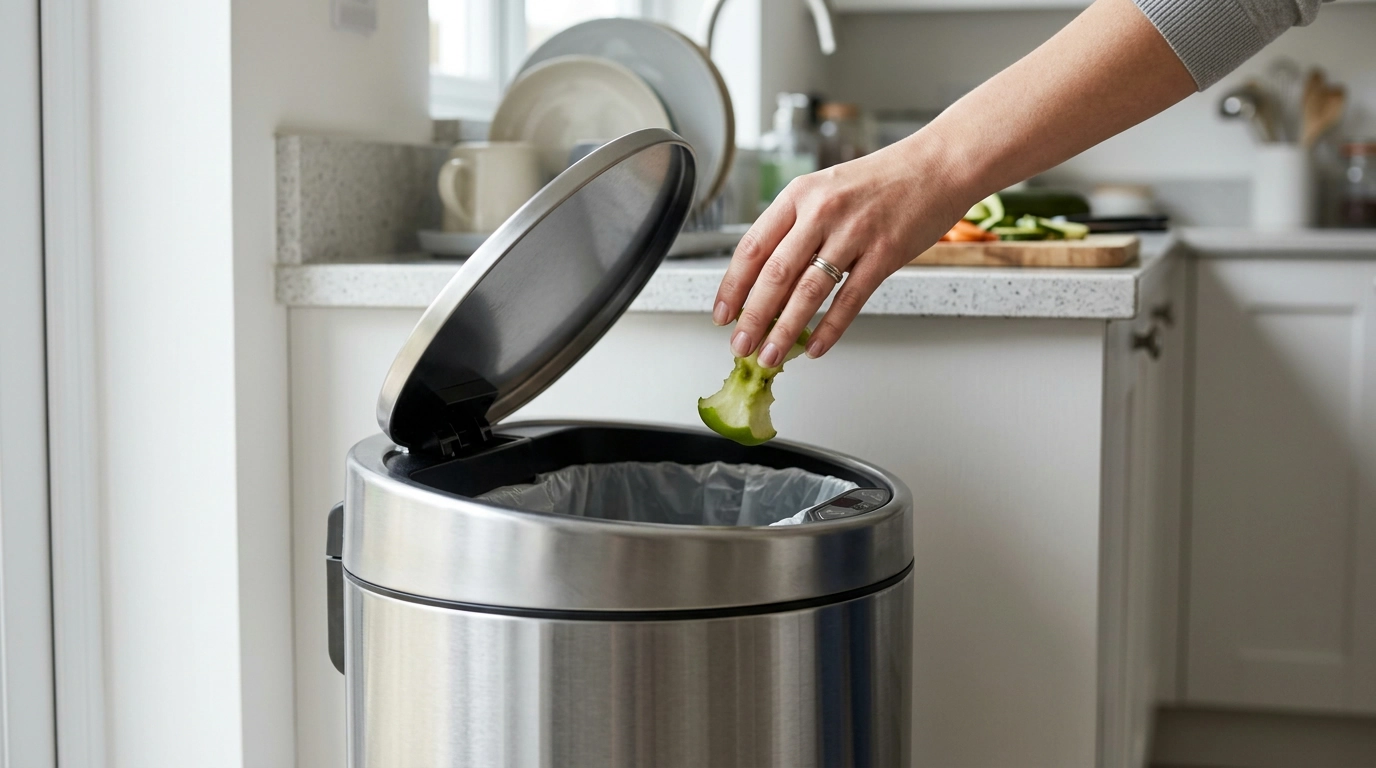
What is the best touchless kitchen bin?
The best touchless kitchen bin is a sensor-operated trash can with a dependable lid, enough capacity for your household, and a shape that fits where you need it. For many kitchens, a 13-gallon model is a practical starting point because it works with common kitchen trash bags and offers enough room for everyday food packaging and scraps.
Our team recommends prioritizing a lid that opens smoothly when you approach and closes promptly afterward. A manual open setting is useful when you are peeling vegetables or cleaning out the refrigerator and need both hands free.
Which features matter most?
Capacity and footprint
Choose a bin based on how much trash you produce and how often you want to empty it. A smaller household may prefer a compact can, while a busy family may appreciate a larger capacity. Measure the available floor space and leave room above the bin for the lid to open fully, especially if it will sit beneath a counter or cabinet.
Sensor placement and controls
A sensor on the front or top lets you open the lid without touching the can. Place the bin where passing feet, cabinet doors, and pets are less likely to trigger it. A clearly marked manual control can also make the bin easier to use when the sensor is temporarily switched off.
Easy cleaning and bag changes
Look for a removable inner bucket or a smooth interior that you can wipe clean. A bag-retaining ring or liner holder helps keep the bag from slipping into the bin and gives the outside a tidier appearance. Stainless steel can suit a modern kitchen, while plastic options are often lighter to move.
Power and odor control
Battery-powered models offer flexible placement without a cord. If you prefer a plug-in model, position it near an outlet and keep the cord away from spills and walkways. A well-fitting lid helps contain everyday odors, although you will still need to empty and clean the bin regularly.
Our practical choice
We would choose a 13-gallon sensor bin with a manual open option, a secure bag holder, and an easy-to-clean interior. For more help comparing features and choosing a location, see our guide to smart automatic sensor trash cans.
FAQ
How do you clean a touchless trash can?
Remove the bag and wipe the interior and exterior with a damp cloth and mild soap, then dry them thoroughly. Keep water away from the sensor, battery compartment, and electrical connections, and follow the manufacturer’s cleaning instructions.
Recommended for you


Is the simplehuman Sensor Trash Can Worth It?
Nov 16, 2026













Leave a comment